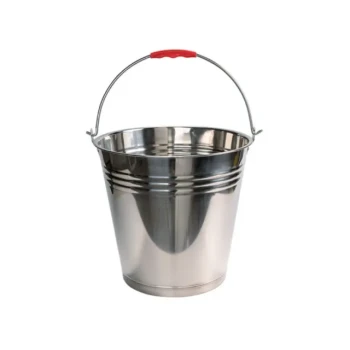
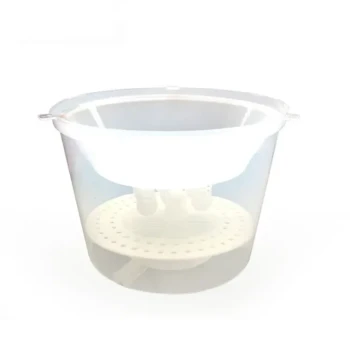
Container-type consumables function primarily as mobile planting substrate carriers. In the context of urban terrace gardening, items like plastic buckets, wooden boxes, and foam packaging act as the physical infrastructure that creates isolated soil environments, replacing the natural arable land that is typically absent in urban settings.
Core Takeaway: These containers are not merely plant pots; they are the foundational units for building artificial micro-ecosystems on concrete surfaces. By enabling the modular cultivation of nectar and pollen-source plants, they provide the essential food source required to sustain urban stingless bee populations.
The Mechanics of Urban Substrate Carriers
Solving the Arable Land Deficit
Urban terraces generally lack natural soil. Container-type consumables address this by holding the planting substrate necessary for root growth.
They effectively convert barren architectural surfaces into productive agricultural zones.
Creating Isolated Environments
These containers provide isolated soil environments. This containment is crucial for managing soil quality and moisture in a setting where natural groundwater is inaccessible.
It allows the gardener to control the specific growing conditions for each plant unit.
Mobility and Modularity
The primary functional advantage of using buckets, boxes, or foam is mobility. These units can be moved and rearranged easily.
This allows for modular combinations, enabling the beekeeper to configure and reconfigure the garden layout to optimize space or sun exposure.
The Role in Beekeeping Ecosystems
Establishing the Food Source
The direct function of these containers is to facilitate the growth of nectar and pollen-source plants.
Without these specific plants, an urban environment cannot support a bee colony.
Building the Micro-Ecosystem
The reference identifies these plants as the essential foundation for the local ecology.
By clustering these containers, you create a cohesive micro-ecosystem. This artificial habitat provides the necessary resources for urban stingless bee beekeeping to thrive.
Understanding the Trade-offs
The "Consumable" Nature
The text explicitly classifies these items as consumables. Unlike permanent landscaping features, materials like foam packaging and plastic buckets degrade over time.
They are functional tools meant for utility and mobility rather than permanent infrastructure.
Isolation Limitations
While isolated soil environments provide control, they also disconnect the plant from natural ecosystem services.
The plants rely entirely on the limited substrate within the container, making the modular arrangement critical for creating a sufficient density of flora.
Making the Right Choice for Your Goal
To effectively utilize container gardening for urban beekeeping, consider your specific operational needs:
- If your primary focus is rapid setup: Utilize foam packaging and plastic buckets for their lightweight properties and ease of modular combination.
- If your primary focus is ecosystem stability: Ensure your modular combinations are dense enough to provide a consistent source of nectar and pollen for the stingless bees.
These containers are the bridge between a sterile urban surface and a thriving apiary.
Summary Table:
| Container Type | Primary Function | Advantage for Beekeeping | Durability Level |
|---|---|---|---|
| Plastic Buckets | Substrate Carrier | High mobility for sunlight optimization | High (Weather-resistant) |
| Wooden Boxes | Isolated Soil Unit | Natural insulation for root systems | Medium (Biodegradable) |
| Foam Packaging | Modular Habitat | Ultra-lightweight for rapid setup | Low (Disposable) |
| Modular Kits | Micro-Ecosystem | Consistent nectar/pollen density | Variable |
Elevate Your Commercial Apiary with HONESTBEE
Transitioning from hobbyist setups to professional-grade urban beekeeping requires more than just improvised containers. HONESTBEE specializes in empowering commercial apiaries and distributors with the high-performance tools and machinery needed to scale production. From specialized hive-making and honey-filling machines to a comprehensive range of beekeeping hardware and industry consumables, we provide the industrial-strength foundation your business demands.
Whether you are stocking a distribution network or optimizing a large-scale urban operation, our wholesale offerings ensure you have the equipment to succeed. Contact HONESTBEE today to discuss our bulk pricing and discover how our expert equipment can streamline your beekeeping efficiency.
References
- Prem José Vazhacharickal, G. Eswarappa. Possibility of Integrating Stingless Bees (Tetragonula iridipennis) into Urban and Peri-urban Agriculture and Urban Forest: Outlook Study from Bangalore-Silicon Valley of India. DOI: 10.20546/ijcmas.2020.912.315
This article is also based on technical information from HonestBee Knowledge Base .
Related Products
- Yellow Plastic Bucket Pail Perch for Beekeeping
- Food Grade Plastic Honey Bucket Pail for Beekeeping
- Two-Stage Plastic Honey Filter for Buckets
- Plastic Transporting Bee Packages and Nuc Boxes for Beekeeping
- Squeezable No-Drip Beehive-Shaped Honey Jars with Flip-Top Cap
People Also Ask
- What are the strategic benefits of installing beekeeping hives at an elevation of 1 to 6 meters? Protect Your Assets
- What are the key advantages of modern improved beekeeping hives? Scale Your Honey Yield and Production Efficiency
- What are the advantages and disadvantages of plastic beekeeping equipment? Choose the Best Gear for Your Apiary
- Why Increase Hive Installation Quantity in Commercial Apiaries? Offset Climate Risks with Scalable Infrastructure
- How do different beekeeping hive structures influence productivity? Optimize Designs for Maximum Honey Yield