Hive sanitation and bottom board maintenance help control Chalkbrood by removing infectious mummies, reducing moisture, and preventing contaminated equipment from spreading fungal spores between colonies. Removable or screened bottom boards make routine cleaning faster, while clean tools, managed comb replacement, adequate ventilation, and strong colonies reduce the conditions that allow Ascosphaera apis to persist. These practices suppress recurrence rather than provide a direct chemical cure.
Core takeaway: Bottom board equipment is a practical sanitation and monitoring tool, not a standalone treatment. The best commercial strategy combines frequent debris removal, controlled moisture, disinfected equipment, replacement of heavily contaminated comb, and measures that strengthen weak colonies.
Why Chalkbrood Management Depends on Equipment
How the disease develops
Chalkbrood affects larvae after they ingest spores of Ascosphaera apis. Infected larvae dry into hard, chalk-like mummies that may remain on the hive floor, in cells, or among comb debris.
Cool, damp, and stress-prone conditions favor disease expression, particularly in weak colonies. Sanitation therefore needs to be combined with ventilation and colony-strengthening measures.
Why bottom boards matter
A bottom board collects fallen debris, dead bees, wax particles, and chalkbrood mummies. If this material remains in the hive, it can provide a continuing source of spores and make it harder for the beekeeper to assess disease activity.
Removable bottom boards allow operators to slide out, scrape, replace, or clean the surface without dismantling the entire hive. This makes sanitation practical across a commercial operation.
Screened versus solid designs
Screened bottom boards can improve airflow and allow some debris to fall away from the brood area. They may help reduce moisture accumulation, but their performance depends on climate, hive design, pest-control requirements, and colony strength.
Solid boards can also be effective when they are removable and cleaned regularly. The critical feature is not simply the board type; it is the ability to inspect, maintain, and manage the hive floor consistently.
How Bottom Board Maintenance Supports Disease Control
Remove mummified larvae promptly
Beekeepers should inspect the bottom board during routine colony checks and remove visible chalkbrood mummies and accumulated debris. A removable insert or tray can make this inspection quicker and provide a useful indicator of whether symptoms are increasing.
Removed material should be handled in a way that prevents it from being redistributed around the apiary. Do not leave infected debris beside hive entrances where bees or equipment can move it back into colonies.
Reduce moisture around the brood nest
Bottom board configuration works with other hardware to influence airflow and moisture. Elevated stands, properly fitted covers, sound hive bodies, and suitable ventilation can reduce condensation and damp internal conditions.
Ventilation must be balanced. Excessive exposure or poorly managed openings can create drafts or weaken colony temperature control, especially during cold periods.
Make inspections more consistent
Standardized bottom board maintenance gives commercial teams a repeatable inspection point. Staff can record debris levels, mummified larvae, moisture, and general colony condition without relying only on observations inside the brood chamber.
This supports earlier intervention and helps identify apiaries, equipment batches, or colonies with recurring problems.
Sanitation Procedures That Limit Spore Transfer
Clean tools between colonies
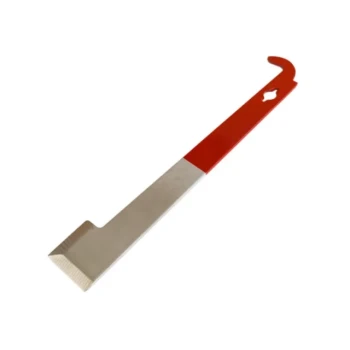
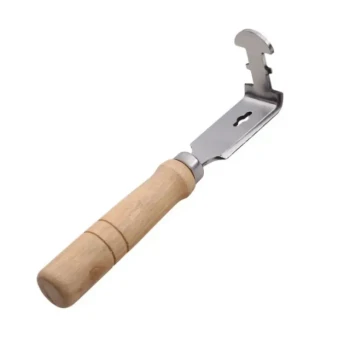
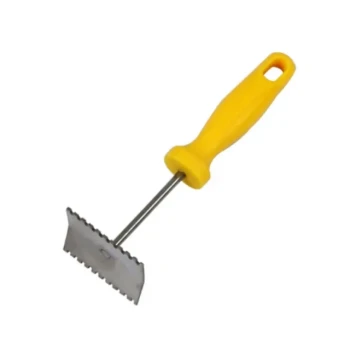
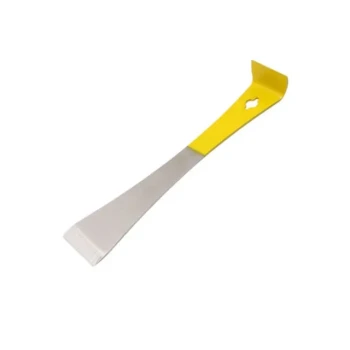
Hive tools, gloves, brushes, and other inspection equipment can transfer fungal material between hives. Organic debris should be removed before tools are disinfected, because dirt and wax can reduce the effectiveness of sanitation products.
Commercial operations should establish a clear sequence: scrape, clean, disinfect, dry, and inspect. Dedicated tools for affected colonies can further reduce cross-contamination.
Sanitize hive bodies and reusable components
Empty hive bodies, bottom boards, covers, and frame hardware should be cleaned and disinfected using products approved for the intended use and applied according to their labels and local regulations.
Some references identify a 500 ppm sodium hypochlorite solution for hive-body sanitation. Concentration, contact time, rinsing, material compatibility, worker safety, and regulatory requirements must be verified before adoption.
Replace or destroy heavily contaminated comb
Old brood comb can retain organic debris and fungal spores. A planned frame-replacement cycle reduces accumulated contamination and improves general brood-hive hygiene.
Severely infected comb should be removed from service and destroyed or disposed of according to local apiary and environmental rules. Cleaning a badly contaminated frame is not always a reliable substitute for replacement.
Keep feeding equipment clean
Feeders can become another route for contamination if they retain mold, wax, or old syrup. Use clean, dedicated feeders and avoid introducing unverified honey or contaminated feed into colonies.
Feeding supports colony recovery, but it does not replace sanitation or correct moisture problems.
Strengthening Colonies Prevents Recurrence
Address weak colonies
Chalkbrood is more likely to become significant when a colony cannot maintain brood temperature, remove infected larvae, or manage moisture effectively. Supplemental nutrition, when appropriate, can help restore colony vigor.
Feeders and clean feeding systems are therefore supporting equipment in a Chalkbrood-management program, not treatments for the fungus itself.
Consider re-queening failing colonies
Queen quality and colony population influence brood care and hygienic behavior. When a colony is persistently weak or has failing reproductive performance, queen-rearing supplies and re-queening equipment may support a longer-term recovery plan.
The objective is to maintain a strong, hygienic population capable of removing infected larvae before mummies accumulate.
Use hygienic stock where available
Worker bees with strong hygienic behavior can detect and remove diseased brood. Clean hardware and hygienic stock work together: equipment reduces environmental pressure, while the colony’s behavior removes infected material.
Neither approach should be treated as sufficient by itself.
Understanding the Trade-offs
Sanitation is preventive, not curative
There is no simple equipment-based cure that eliminates Chalkbrood from an active colony. Cleaning the bottom board removes contaminated material, but spores may remain in comb, hive surfaces, feed, or the surrounding apiary environment.
Persistent cases require a broader review of colony strength, ventilation, moisture, comb age, queen condition, and equipment movement.
Chemical disinfection requires discipline
Bleach-based or other disinfectants can damage wood, metal, and plastics if used incorrectly. Residues may also create risks if components are returned to the hive before they are properly rinsed, dried, or otherwise handled according to the product instructions.
Use only legally permitted products and documented procedures. Do not assume that a disinfectant used for general equipment is automatically suitable for hive components.
More ventilation is not always better
Screened boards and ventilated covers can reduce moisture, but poorly designed or improperly installed hardware may expose colonies to drafts, pests, or temperature stress.
Distributors and beekeepers should match board and ventilation specifications to local climate, hive type, and management practices rather than selecting hardware on airflow claims alone.
Replace equipment strategically
Replacing every component immediately may be costly and operationally disruptive. A risk-based program is more practical: prioritize heavily infected comb and damaged or difficult-to-clean components, then maintain routine replacement for older brood frames.
This approach controls contamination while preserving useful equipment and predictable purchasing cycles.
Selecting Equipment for Commercial Operations
Prioritize maintainability
For distributors, wholesalers, and B2B resellers, the most valuable specifications are often operational rather than cosmetic. Look for bottom boards with accessible inserts, durable surfaces, secure fit, drainage or ventilation options, and compatibility with the customer’s hive system.
Equipment that is easy to inspect and clean is more likely to be maintained correctly across a large apiary.
Build a complete sanitation portfolio
A one-stop commercial offering can include removable or screened bottom boards, replacement frames, hive bodies, covers, stands, hive tools, cleaning supplies, feeders, and queen-rearing equipment.
Bundling related products helps customers implement a complete management program instead of purchasing a single component that cannot address the full disease risk.
Support rapid replenishment
Disease-control programs create urgent demand for replacement frames, bottom boards, tools, and colony-strengthening supplies. Reliable inventory, fast response times, accurate compatibility guidance, and efficient order fulfillment are therefore part of the technical value—not merely logistics.
A supplier with broad product coverage can help operators maintain biosecurity without delaying essential hive maintenance.
How to Apply This to Your Operation
The most effective program connects equipment selection with a documented maintenance routine.
- If your primary focus is bottom board maintenance: Choose removable or appropriately screened designs that allow rapid inspection, debris removal, cleaning, and moisture management.
- If your primary focus is apiary biosecurity: Standardize tool and hive-component cleaning, disinfect equipment correctly, and isolate or replace heavily contaminated comb.
- If your primary focus is reducing recurrence: Combine ventilation and dry hive placement with routine brood-frame replacement and careful moisture control.
- If your primary focus is colony recovery: Use clean feeders for suitable supplemental nutrition and evaluate failing colonies for re-queening or other strengthening measures.
- If your primary focus is commercial sourcing: Select a supplier able to provide compatible sanitation, hive hardware, feeding, and queen-rearing products with dependable availability and fast fulfillment.
With disciplined sanitation, maintainable bottom boards, controlled moisture, and strong colonies, commercial beekeepers can make Chalkbrood management more consistent, scalable, and preventive.
Summary Table:
| Aspect | Role in Chalkbrood Management | Best Practice |
|---|---|---|
| Removable Bottom Boards | Enable quick debris removal and inspection | Slide out and clean during routine checks |
| Screened Bottom Boards | Improve airflow, reduce moisture | Match design to climate and colony needs |
| Hive Tools & Gloves | Prevent cross-contamination | Scrape, clean, disinfect between colonies |
| Hive Bodies & Components | Remove spores from surfaces | Use approved disinfectants, rinse and dry |
| Brood Comb | High spore retention | Replace old comb; destroy heavily infected frames |
| Feeders | Avoid introducing contamination | Clean regularly and use dedicated feeders |
| Strong Colonies | Natural removal of infected larvae | Combine nutrition, re-queening, hygienic stock |
Need reliable hive sanitation equipment and bottom boards for your commercial operation? HONESTBEE offers a full spectrum of beekeeping tools and machinery, from removable and screened bottom boards to cleaning supplies and hive components. Our rapid response and dedicated service support your biosecurity needs with quality products, certifications, and efficient fulfillment. Contact us today to discuss your requirements and get a quote – Reach out now.
Related Products
- Langstroth Screen Bottom Board for Beekeeping Wholesale
- HONESTBEE Top Bar & Bottom Bar Forming Machine | Bee Frame Machine
- Australian Pine Wood Langstroth Screen Bottom Board for Wholesale
- Langstroth Solid Bottom Board for Beekeeping
- Solid Bottom Board Australian Pine Wood Langstroth Bottom Board for Wholesale
People Also Ask
- Why is the combination of a screen bottom board and a sticky trap board essential for monitoring Varroa mite? Guide
- What is the primary function of a standard screen bottom board when assessing honeybee grooming behavior? - Key Mite Data
- What is the primary function of a screen bottom board? Achieve Accurate Varroa Mite Assessment in Your Apiary
- What role do screen bottom boards and monitoring inserts play in assessing Varroa mite mortality and maintaining hive hygiene in Langstroth hives?
- Why might a screen bottom board be less effective for pest control? Understanding the 'Mixed Sunlight' Complication