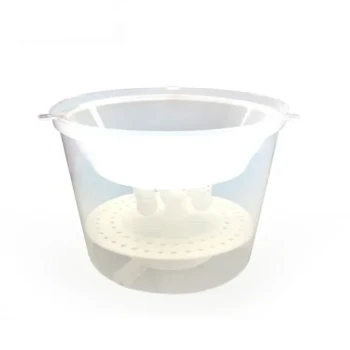
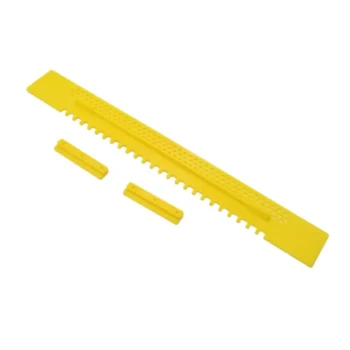
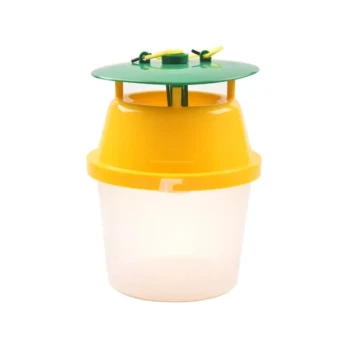
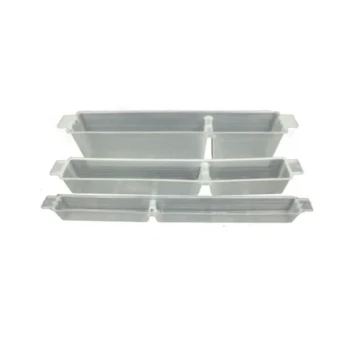
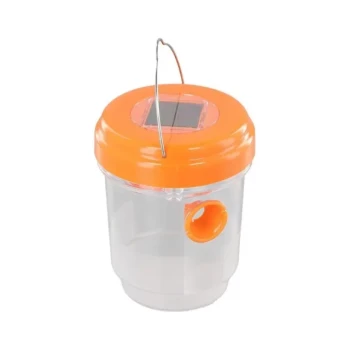
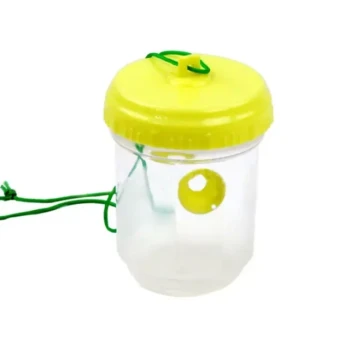
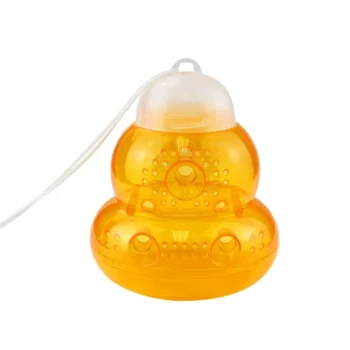
In-hive pest traps give commercial apiaries a practical, pesticide-free way to reduce adult small hive beetle populations during normal hive maintenance. Entrance tunnel traps and frame-hung devices exploit the beetle’s tendency to hide in dark, narrow spaces that honeybees cannot easily access. Because the traps can be inspected, emptied, cleaned, and redeployed without fully dismantling the hive, they support faster and more consistent colony management.
The main value of in-hive traps is operational control: they remove adult beetles before populations expand, provide a visible measure of infestation pressure, and fit directly into routine inspection and maintenance workflows.
How In-Hive Traps Control Small Hive Beetles
They exploit beetle behavior
Small hive beetles avoid honeybee workers by seeking dark, confined crevices. In-hive traps reproduce these hiding conditions and guide adult beetles into a contained space where they can be physically captured.
This approach targets the adult stage before beetles reproduce extensively or contribute to broader hive damage.
They reduce adult beetle pressure
Traps positioned between frame top bars, at the hive bottom, or near the entrance capture beetles moving through the colony. Reducing the adult population limits the number of beetles available to lay eggs in hive crevices.
Some trap designs are used with food-grade mineral oil or vegetable oil to immobilize beetles. This provides a physical control method without introducing pesticide residues into honey or brood areas.
They help prevent secondary colony damage
Small hive beetle larvae feed on honey, pollen, and other hive resources. Their activity can ferment stored honey, damage brood and food stores, and contribute to colony abandonment when infestations become severe.
Capturing adults early helps keep beetle numbers within a level that the colony can more effectively patrol and manage.
How Traps Fit Into Routine Hive Maintenance
They simplify inspection
Frame-hung and entrance-style traps can generally be reached during standard hive inspections. Beekeepers can check the device, assess the number of captured beetles, and determine whether pest pressure is increasing.
This avoids the need to fully dismantle the hive body simply to locate or remove beetles.
They support quick cleaning and redeployment
After inspection, traps can be emptied and cleaned before being returned to service. This makes them suitable for commercial apiaries managing many colonies on repeated maintenance schedules.
For distributors and resellers, this reusability is an important practical feature because customers need products that support efficient, repeatable field operations.
They provide an infestation indicator
The number of beetles found in a trap gives beekeepers direct evidence of pest activity. Rising trap counts can signal the need for more frequent inspections, additional traps, or complementary control measures.
Pollen traps also deserve attention because stored pollen can attract beetles. Unusually high beetle numbers in or around pollen-collection equipment should be treated as an early warning.
Where Commercial Apiaries Place the Traps
Between frames
Frame-top-bar traps are placed between adjacent frames, where beetles naturally seek shelter. Their position allows the device to intercept adult beetles while remaining inaccessible or difficult for honeybees to enter.
This placement is especially useful during regular brood-box inspections because the trap can be checked as frames are already being handled.
At the hive bottom
Bottom-mounted traps intercept beetles moving through the lower portion of the hive. Using a bottom trap can complement upper or frame-level devices by increasing coverage across the hive box.
Near the entrance
Entrance tunnel traps restrict and capture beetles as they move through the hive entrance. They can be used alongside entrance reducers, which physically limit access and help the colony defend its entry point.
The exact number and placement should reflect hive configuration, colony strength, and local beetle pressure rather than applying one fixed layout to every colony.
Why This Matters for Large-Scale Apiary Operations
Traps reduce maintenance disruption
Commercial beekeepers need pest-control equipment that does not create unnecessary labor. Traps that can be inspected, serviced, and redeployed during scheduled hive visits reduce additional handling time.
That improves consistency across large numbers of colonies and supports more predictable order planning for replacement or expansion inventory.
They support non-chemical management
Mechanical traps offer a pesticide-free or low-pesticide component of an integrated pest-management program. This is valuable where beekeepers prioritize honey purity, residue control, and reduced chemical exposure.
They should be viewed as a control tool, not as a substitute for colony management or all other prevention measures.
They help match supplies to regional demand
Warmer southern regions generally experience higher small hive beetle pressure and may require more traps per hive or more frequent servicing. Distributors should therefore account for climate, seasonal demand, hive size, and the customer’s operating scale when recommending quantities.
Reliable availability, fast fulfillment, and access to multiple trap formats are practical advantages when apiaries need to respond quickly to rising pest pressure.
Understanding the Trade-offs
Traps are not a complete control program
A trap removes adult beetles, but it does not correct weak colony conditions, excessive unused hive space, or poor hive configuration. Colonies should be strong enough to patrol internal frame surfaces, and the number of hive chambers and supers should match the bee population.
Entrance reducers, regular inspections, and mechanical removal of visible beetles may be needed alongside traps.
Trap efficiency depends on conditions
The primary reference indicates that suitable traps can often achieve approximately 40% to 50% trapping efficiency, but results vary with design, placement, infestation level, colony strength, and maintenance frequency.
A trap should not be judged solely by whether it eliminates every beetle. Its operational value also includes reducing pressure and revealing infestation trends.
Incorrect use can reduce effectiveness
Traps must be installed where beetles can access them but bees cannot easily interfere with them. Beekeepers should follow the product’s instructions for placement, attractants, oil type, and servicing.
Spilled oil, poor positioning, or infrequent cleaning can compromise the device and create avoidable risks inside the hive.
More traps are not always better
High-pressure regions may justify additional traps, but indiscriminate placement can increase cost and maintenance without producing proportional benefits. Trap quantity should be based on observed beetle counts, colony size, hive configuration, and regional conditions.
How to Apply This to Your Apiary or Product Program
Use the following priorities when selecting, deploying, or supplying in-hive beetle traps:
- If your primary focus is routine maintenance efficiency: Choose traps that are easy to access, inspect, clean, and redeploy during scheduled hive visits.
- If your primary focus is pesticide-free control: Use mechanical traps with approved physical capture methods, such as suitable food-grade oil where specified, while maintaining proper installation and servicing.
- If your primary focus is early infestation detection: Monitor captured beetle numbers at every inspection and treat rising counts as a signal to increase surveillance or add complementary controls.
- If your primary focus is regional or commercial supply planning: Stock multiple trap formats and adjust quantities for warmer climates, higher pest pressure, colony scale, and seasonal demand.
- If your primary focus is preventing colony damage: Combine traps with entrance reducers, appropriate hive volume, strong colony management, and manual removal of beetles found on frames or covers.
Effective trap programs turn small hive beetle control into a measurable, repeatable part of commercial hive maintenance.
Summary Table:
| Feature | Benefit |
|---|---|
| Behavioral targeting | Exploits beetle hiding behavior for effective capture |
| Pesticide-free | Uses physical capture, safe for honey and bees |
| Easy inspection | Can be checked during routine hive visits |
| Reusable and cleanable | Supports repeated use in commercial operations |
| Infestation indicator | Provides visible tracking of pest pressure |
| Flexible placement | Between frames, bottom, or entrance |
| Operational efficiency | Reduces disruption and labor |
| Early detection | Helps prevent secondary damage |
| Adaptable to regional needs | Quantity can be adjusted based on pressure |
| Not a standalone solution | Should be combined with good hive management |
Equip your apiary with efficient in-hive pest traps from HONESTBEE. Our comprehensive range of beekeeping tools and equipment supports your integrated pest management, ensuring rapid response and reliable supply. Contact us today to discuss your needs and get expert advice tailored to your operation.
Related Products
- Reusable Clear Small Hive Beetle Traps for Beehives Beetle Trapping Tools
- Removable Washable Hive Beetle Trap Attractants for Small Hive Beetles
- Black Plastic Beetle Barn Hive Beetle Trap for Beehives
- Reusable Aluminium Beetle Trap for Small Hive Beetles Silver Bullet
- Plastic Beetle Blaster Trap Beekeeping Tools and Supplies
People Also Ask
- When and how should disposable traps for small hive beetles be removed? Master Hive Hygiene and Efficiency
- How do small hive beetle traps contribute to colony management? Enhance Diagnostic Accuracy and Protect Hive Health
- Why are beetle traps less effective during winter? Seasonal Shifts in Pest Control Explained
- What is the recommended approach for managing small hive beetles in warm and tropical climates? Build a Strong Hive Defense
- What is the recommended number of beetle traps per hive? Optimize Your Hive's Beetle Defense