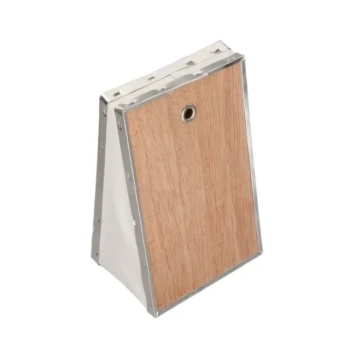
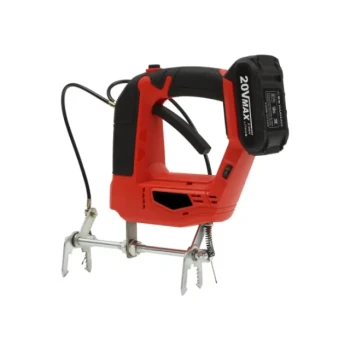
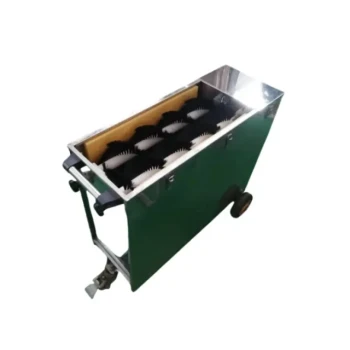
Industrial blowtorches provide a critical, physical layer of biosecurity by utilizing high-temperature flames to sterilize beekeeping equipment. This method directly eliminates pathogenic spores and parasites residing on hive walls, frames, and metal tools, offering a level of decontamination that chemical methods alone often cannot achieve. By physically destroying the biological integrity of the pathogen, blowtorches effectively break the chain of transmission between colonies before equipment is reused.
While chemical disinfection reduces surface contaminants, high-temperature flame sterilization is the superior method for neutralizing resilient spores in wooden crevices. It serves as a mandatory physical barrier against disease recurrence, ensuring that equipment reuse does not inadvertently spread infection.
The Mechanics of Physical Sterilization
Breaking the Transmission Path
Pathogens can linger on hive materials long after a colony has been moved or collapsed. Industrial blowtorches utilize high-temperature physical flames to incinerate these lingering threats.
This process targets pathogenic spores and parasites that adhere to hive walls and frames. By applying direct heat, you create a sterile environment that prevents the "inheritance" of disease by the next colony to occupy the hive.
Reaching Where Chemicals Cannot
Liquid disinfectants are effective on surfaces, but they have limitations regarding penetration. Pathogens often retreat into the microscopic crevices of wooden structures where liquid solutions may not fully saturate.
Flame treatment forces extreme heat into these cracks and fissures. This ensures that even the most protected biological agents are neutralized, providing a depth of sterilization that scrubbing or spraying cannot guarantee.
Combating Specific Biological Threats
Neutralizing Nosema Spores
Certain pathogens, such as Nosema ceranae, are highly sensitive to thermal treatment. These spores lose their biological activity when exposed to temperatures exceeding 60°C.
An industrial blowtorch easily surpasses this thermal threshold. This makes it an ideal tool for inactivating Nosema spores hidden within the hive interior, significantly reducing the risk of recurrence in future seasons.
Eliminating American Foulbrood Vectors
Tools frequently used in apiary management, such as uncapping knives and hive tools, act as mechanical vectors. They can transfer resilient pathogens like American Foulbrood (AFB) spores from a sick colony to a healthy one.
Regular flame sterilization of these metal tools is a standard biosecurity protocol. It effectively blocks cross-infection, ensuring that your management practices do not become the primary cause of disease spread.
Understanding the Trade-offs
Manual Labor vs. Automation
While flame sterilization is highly effective, it is a manual process that requires physical effort and attention to detail. In contrast, industrial-grade immersion tanks allow for the bulk soaking of equipment in disinfectant solutions.
Immersion tanks reduce physical contact risks and overall labor intensity by minimizing manual scrubbing. For extremely large-scale operations, relying solely on torches may introduce a bottleneck, whereas tanks provide a standardized, lower-effort environment for initial cleaning.
Material Safety Considerations
The aggressive nature of high-temperature flames requires careful handling to avoid damaging equipment. While excellent for wood and metal, this method is destructive to plastic components and requires operator skill to char the wood slightly without compromising its structural integrity.
Making the Right Choice for Your Goal
To establish a robust hygiene protocol, you must select the method that aligns with your specific volume and risk profile.
- If your primary focus is eliminating resilient spores (like AFB or Nosema): Prioritize industrial blowtorches to ensure deep thermal penetration into wooden crevices and metal tools.
- If your primary focus is reducing labor in large-scale operations: Utilize an industrial immersion tank for bulk cleaning, reserving the blowtorch for finalizing equipment known to be exposed to disease.
Ultimate biosecurity is achieved when physical heat is used to finalize the sterilization process, leaving no biological path for disease to return.
Summary Table:
| Disinfection Method | Target Pathogens | Key Benefit | Ideal Use Case |
|---|---|---|---|
| Industrial Blowtorch | Spores (AFB, Nosema), Parasites | Deep thermal penetration into wood crevices | Sterilizing hive bodies and metal tools |
| Chemical Soaking | Surface Bacteria, Viruses | Covers large surface areas quickly | General cleaning of non-porous materials |
| Immersion Tanks | General Pathogens, Debris | Low labor intensity for bulk processing | Large-scale commercial equipment prep |
| Flame Sterilization | High-Resistance Spores | Physical destruction of biological integrity | High-risk disease prevention protocols |
Secure Your Apiary’s Health with HONESTBEE Professional Solutions
Protecting your commercial honey production starts with rigorous hygiene. HONESTBEE specializes in supporting commercial apiaries and global distributors with a comprehensive range of professional beekeeping machinery and tools. Whether you need high-performance sterilization equipment or industrial-grade hive-making and honey-filling machines, our portfolio is designed to enhance your operational efficiency and biosecurity.
Why partner with HONESTBEE?
- Full Spectrum Supply: From essential consumables to specialized hardware.
- Commercial Grade Quality: Built for the demands of large-scale beekeeping and honey processing.
- Expert Support: We help you select the right tools to break the chain of disease transmission.
Contact us today to upgrade your apiary’s biosecurity!
References
- Noëmie El Agrebi, Claude Saegerman. Beekeepers perception of risks affecting colony loss: A pilot survey. DOI: 10.1111/tbed.14023
This article is also based on technical information from HonestBee Knowledge Base .
Related Products
- Heavy Duty Manual Bee Smoker Blower for Beekeeping
- Professional Replacement Bee Smoker Bellows for Beekeeping Equipment
- High Performance Cordless Electric Bee Shaker for Beekeeping
- Professional Bee Smoker with Elongated Spout and Durable Bellows for Beekeeping
- Miniature Stainless Steel Bee Smoker for Beekeeping
People Also Ask
- What are bee smokers made out of? Choose the Right Material for Your Apiary
- What are the advantages of a manual bee smoker? Enhance Hive Safety with Controlled Cool Smoke Technology
- What is the primary function of a manual bee smoker? Master Hive Control for Safe Inspections
- What is the proper technique for applying smoke to a beehive? Master Calm and Effective Hive Management
- What is the purpose of using a bee smoker for Small Hive Beetle inspections? Master Chemical Control & Hive Safety