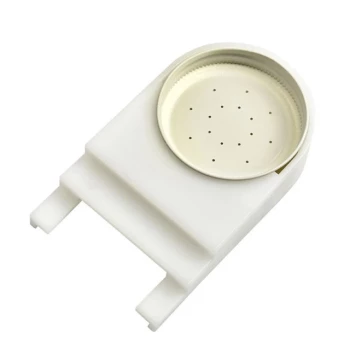
Internal bee hive feeders act as a critical life-support system by delivering high-concentration syrup or protein patties directly into the hive's core. This controlled nutritional supplementation bridges the gap during forage-poor periods, ensuring the colony maintains the metabolic energy and brood-rearing activity necessary to prevent decline, starvation, or absconding.
Internal feeders allow beekeepers to simulate a continuous nutrient supply regardless of external environmental conditions. By intervening directly within the hive, you preserve the queen’s egg-laying vitality and worker immunity, securing the colony's continuity for future honey flows.
The Mechanics of Nutritional Support
Direct Delivery to the Core
Internal devices, such as frame feeders or top feeders, place nutrition in immediate proximity to the cluster. This is distinct from external feeding, as it minimizes the travel distance for worker bees.
By bypassing the need to forage outside, the colony conserves energy. This allows the bees to focus their metabolic resources on hive maintenance rather than expending them on fruitless foraging trips during droughts or bad weather.
Simulating Resource Abundance
Feeds provided internally can trick the colony's biological triggers. By providing a steady stream of syrup or supplements, beekeepers simulate a natural nectar flow.
This simulation prevents the colony from entering "conservation mode," where they might otherwise cannibalize brood or halt reproduction to save resources. instead, the colony continues to operate as if resources are plentiful.
Biological Impacts on the Colony
Sustaining Brood Rearing
The primary risk during a shortage is a pause in reproduction. Internal feeders utilizing liquid syrup stimulate the queen to continue laying eggs.
Simultaneously, pollen patties provide the essential protein required for larval development. This ensures that the population does not crash, maintaining a high turnover rate of workers to replace aging bees.
Preventing Starvation and Absconding
In severe shortages, a colony may consume its reserves and starve, or "abscond" (leave the hive entirely) to find better resources.
High-concentration sucrose solution delivered via large-capacity internal feeders provides the raw calories needed for survival. This stabilizes the colony, reducing the stress that leads to absconding behavior.
Strategic Seasonal Application
Early Spring Stimulation
Internal feeding is vital in early spring when natural pollen is scarce but the colony needs to grow.
By using stimulative feeders early, beekeepers ensure the population peaks before the main natural nectar flow begins. This synchronization maximizes the potential honey harvest later in the season.
Winter Preparation
During late autumn, the goal shifts from population growth to energy storage.
High-capacity liquid feeders are used to rapidly replenish winter stores. This ensures the colony has enough caloric density to generate heat and survive the cold season without needing to forage.
Understanding the Trade-offs
Disruption Risks
While internal feeders offer protection from the elements, refilling them often requires opening the hive. In cold climates or during aggressive periods, this disruption can alter hive temperature or agitate the bees.
Moisture Management
Introducing large amounts of liquid syrup inside the hive increases internal humidity. If the hive lacks proper ventilation, this excess moisture can lead to condensation or mold issues, particularly during cooler months.
Potential for Drowning
Liquid frame feeders present a drowning hazard for bees if they lack proper rafts or ladders. While they provide direct access to food, the design must include safety mechanisms to prevent worker loss during feeding.
Making the Right Choice for Your Goal
Internal feeding is not a passive activity; it is a targeted intervention.
- If your primary focus is Overwintering: Prioritize high-capacity internal feeders with high-concentration syrup to rapidly build up weight and energy reserves before the cold sets in.
- If your primary focus is Spring Build-up: Utilize pollen patties and stimulative syrup feeding to trigger egg-laying, ensuring a maximum workforce is ready for the primary nectar flow.
- If your primary focus is Famine Prevention: Deploy emergency frame feeders immediately during droughts to prevent brood cannibalization and maintaining worker immunity.
Successful beekeeping relies on anticipating the gap between the colony's needs and nature's supply, and filling it precisely before the hive declines.
Summary Table:
| Feeder Function | Strategic Benefit | Biological Impact |
|---|---|---|
| Direct Delivery | Conserves worker energy | Reduces metabolic stress and foraging risks |
| Abundance Simulation | Prevents "Conservation Mode" | Maintains queen egg-laying and colony vitality |
| Protein Supplementation | Supports larval growth | Prevents population crashes and brood cannibalization |
| High-Calorie Stores | Rapid winter preparation | Enhances hive thermoregulation and survival |
| Emergency Feeding | Famine prevention | Stabilizes the colony to prevent absconding |
Maximize Your Colony's Productivity with HONESTBEE
As a commercial apiary or professional distributor, maintaining colony continuity is vital to your bottom line. HONESTBEE specializes in providing the high-quality beekeeping tools and machinery needed to scale your operations. From high-capacity internal feeders that ensure winter survival to advanced honey-filling machines and specialized hive-making hardware, we supply the full spectrum of equipment and industry consumables required for large-scale success.
Why partner with HONESTBEE?
- Wholesale Excellence: Comprehensive inventory tailored for distributors.
- End-to-End Solutions: From hive components to honey processing and cultural merchandise.
- Industry Expertise: Tools designed to withstand the rigors of professional beekeeping.
Ready to elevate your apiary's efficiency? Contact us today to explore our wholesale offerings and secure the equipment your business needs to thrive.
References
- Mohamed Khamees, M. Elnagar. Knowledge and implementation of good beekeeping practices by beekeepers in New Valley governorate, Egypt. DOI: 10.21608/aasj.2022.312210
This article is also based on technical information from HonestBee Knowledge Base .
Related Products
- Professional In-Hive Bee Feeder HONESTBEE Frame for Beekeeping
- 3.5L Plastic Beehive Frame Feeder Deep Frame Water Feeder for In Hive Use
- Professional In-Hive Frame Bee Feeder by HONESTBEE
- In-Hive Dual Compartment Frame Bee Feeder for Targeted Colony Nutrition
- HONESTBEE Entrance Bee Feeder Professional Hive Nutrition Solution for Beekeeping
People Also Ask
- When should beekeepers stop feeding their bees? Let Your Bees Tell You
- Why is the use of a beekeeping feeder for syrup supplementation important? Boost Colony Growth and Survival
- What are the common types of internal and external feeders used in beekeeping? Choose the Right Feeder for Your Hive
- What is a feeder in the context of beekeeping? Optimize Your Hive Nutrition and Growth
- How do specialized feeders contribute to effective artificial feeding? Scientific Apiary Management & Colony Health