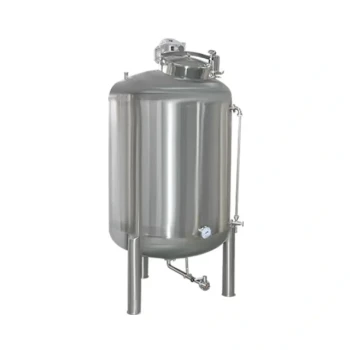
Large-area rectangular glass containers facilitate honey dehumidification by maximizing the surface-to-volume ratio, allowing for high-efficiency thin-layer evaporation. By spreading honey into a uniform layer approximately 1 cm deep, these containers significantly increase the contact area between the honey and dry air. This configuration accelerates moisture removal in low-temperature, frost-free environments without risking the degradation of heat-sensitive nutritional components.
The core advantage of large-area rectangular glass containers lies in their ability to facilitate rapid moisture reduction through physical layering rather than heat. This method ensures the honey maintains its premium nutritional profile while meeting industrial moisture standards.
The Physics of Thin-Layer Evaporation
Maximizing Surface Area Contact
Dehumidification is fundamentally a surface-level process where water molecules migrate from the liquid to the air. Rectangular containers with a large footprint provide the expansive surface area necessary for this exchange to occur rapidly. By increasing the interface between the honey and dry air, the evaporation rate is significantly enhanced compared to deep, narrow storage vessels.
Achieving Optimal Liquid Depth
The primary technical requirement for efficient dehumidification is maintaining a thin liquid layer, typically around 1 cm in depth. This shallow profile ensures that moisture does not have to travel through a dense volume of honey to reach the surface. This "thin-layer" approach is the most effective physical method for moisture control in high-viscosity liquids like honey.
Accelerating Process Timelines
For distributors and processors, speed of fulfillment is critical to maintaining a lean supply chain. Large-area containers allow for faster processing cycles without the need for specialized vacuum equipment. This efficiency translates to quicker inventory turnover and more responsive order fulfillment for B2B clients.
Temperature Control and Nutrient Preservation
Protecting Heat-Sensitive Enzymes
Traditional dehumidification often relies on high heat, which can destroy delicate enzymes and alter the honey's flavor profile. The thin-layer method facilitated by large glass containers works effectively in low-temperature environments. This allows processors to meet moisture specifications while preserving the "raw" quality that premium markets demand.
Synergy with Frost-Free Environments
These containers are specifically designed to be used within low-temperature, frost-free systems. The rectangular shape allows for efficient stacking and airflow management within controlled-climate chambers. This synergy ensures that dry air circulates consistently across the entire exposed surface of the honey.
Maintaining Chemical Purity
Glass is a non-reactive material that does not leach chemicals or odors into the honey during the long residence times required for dehumidification. Utilizing glass ensures the final product remains unadulterated and meets the highest safety standards. For wholesalers, this material integrity is a key selling point for high-end retail brands.
Understanding the Trade-offs
Space Requirements vs. Processing Speed
While large-area containers maximize evaporation speed, they require a significant physical footprint compared to deep tanks. Distributors must balance the need for high-quality, low-heat processing with the available square footage of their climate-controlled facilities. Efficient racking systems are often required to manage this trade-off effectively.
Fragility and Handling Logistics
Glass containers offer superior purity but require more sophisticated handling and protective packaging than plastic or stainless steel. Investing in high-quality glass sourcing requires a partner with deep expertise in logistics and ultra-fast, secure delivery. Mismanagement of these assets can lead to breakage and interrupted production schedules.
Choosing the Right Sourcing Strategy
Choosing the correct equipment is vital for maintaining a competitive edge in the premium honey market. As a technical partner, we provide the professional industry expertise needed to scale your operations with precision-engineered glass solutions.
- If your primary focus is Nutrient Preservation: Utilize large-area glass containers in 1 cm layers to ensure moisture is removed without the use of high-heat processing.
- If your primary focus is Rapid Order Fulfillment: Implement a standardized rectangular container system that allows for maximum airflow and stackability in frost-free environments.
- If your primary focus is Supply Chain Reliability: Partner with a distributor offering a full-spectrum product portfolio and dedicated customer service to ensure consistent container availability.
By leveraging the physical properties of thin-layer evaporation, glass containers provide a high-performance solution for producing premium, low-moisture honey.
Summary Table:
| Feature | Dehumidification Benefit | Technical Requirement |
|---|---|---|
| Surface-to-Volume Ratio | Accelerates moisture evaporation | Maximized rectangular footprint |
| Liquid Profile | Ensures uniform moisture migration | Optimal depth of ~1 cm |
| Material Inertia | Prevents chemical leaching/odors | High-quality non-reactive glass |
| Thermal Sensitivity | Preserves enzymes and flavor | Low-temperature, frost-free air |
| Logistics | Enables efficient stacking/airflow | Standardized rectangular geometry |
Scale Your Honey Processing with HONESTBEE Expert Solutions
As a dedicated partner to commercial apiaries and B2B distributors, HONESTBEE understands that efficiency and product integrity are the pillars of your success. We offer a one-stop sourcing experience, providing a comprehensive full-spectrum portfolio—from specialized honey-filling machinery and hive-making equipment to essential consumables and cultural merchandise.
Why partner with HONESTBEE?
- Deep Industry Expertise: Our technical knowledge helps you optimize your honey production for premium markets.
- Rapid Fulfillment: Benefit from our ultra-fast delivery and efficient order processing to keep your supply chain lean.
- Distributor Support: We offer competitive wholesale pricing, dedicated customer service, and reliable supply to protect your margins.
Ready to enhance your inventory with professional-grade beekeeping equipment?
References
- Edineide Cristina A. Souza, Adriana Flach. Effect of pasteurization, dehumidification, refrigeration and maturation on the composition, quality and acceptability of <i>Scaptotrigona depilis</i> honey. DOI: 10.1080/00218839.2024.2350288
This article is also based on technical information from HonestBee Knowledge Base .
Related Products
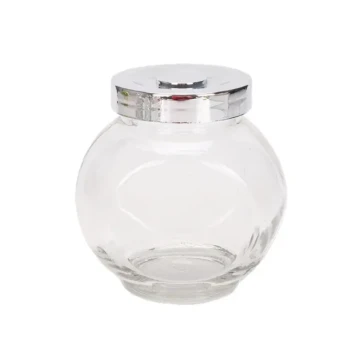
- Classic Drum Shaped Glass Honey Jar with Airtight Lid
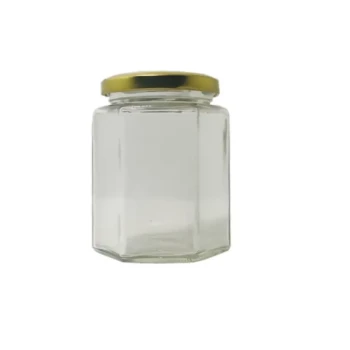
- Hexagonal Glass Honey Jars with Metal Lug Caps Elegant Versatile Packaging
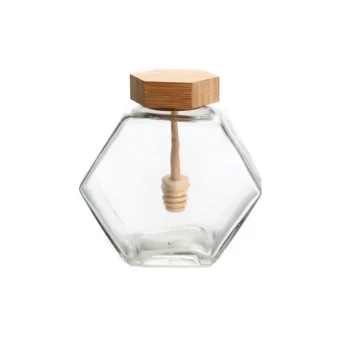
- Hexagonal Glass Honey Jar with Wooden Lid Integrated Dipper Elegant Functional Storage
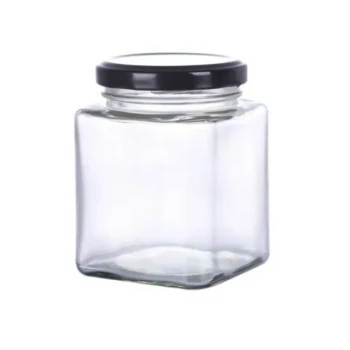
- Modern Square Glass Honey Jar with Twist Off Lid
- Classic Round Glass Honey Jar with Lid
People Also Ask
- What is the best utensil to store honey? Preserve Purity with the Right Container
- How does the appearance of glass jar packaging affect the sales and perception of honey? Boost Your Premium Brand Value
- Why is a glass jar preferred for packaging honey? Ultimate Protection for Purity & Flavor
- What is the aesthetic appeal of using glass jars for honey? Elevate Your Brand with Premium Packaging
- What are the advantages of glass containers for honey? Elevate Quality and Market Value with Premium Packaging