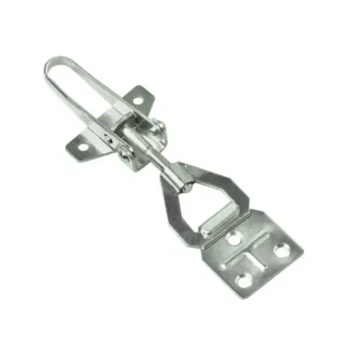
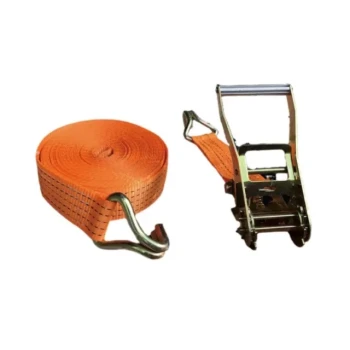
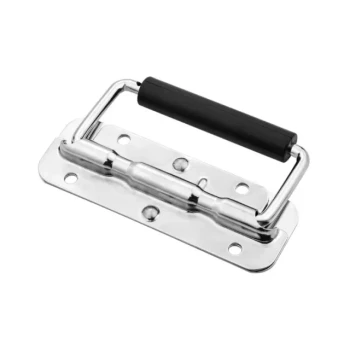
Mobile hive transport systems allow beekeepers to strategically migrate apiaries to align with the flowering dynamics of specific late-season plants. By enabling the precise placement of colonies near abundant sources like Goldenrod, these systems ensure bees can maximize their intake of natural pollen and nectar right before the onset of winter.
Core Takeaway Mobile transport systems bridge the gap between static apiary locations and ephemeral late-season nectar flows. This mobility allows colonies to build critical natural food reserves for overwintering, prioritizing nutritional self-sufficiency over reliance on artificial supplements.
The Strategic Advantage of Mobility
Precision Placement for Forage
The primary function of a mobile transport system is to solve the problem of local scarcity. As floral resources dwindle in one area, these systems allow you to relocate hives to regions where Goldenrod and other late-season sources are blooming.
Maximizing Natural Reserves
Winter survival relies heavily on the quality of stored food. By moving hives to Goldenrod fields, colonies can stock up on natural nectar and pollen.
This natural forage is superior for nutritional replenishment compared to artificial substitutes. It ensures the colony enters the cold season with the energy and protein reserves necessary to maintain health.
Environmental Protection Mechanisms
Utilizing Mobile Beekeeping Cabins
Some transport systems function as mobile cabins, offering benefits beyond simple transportation. These structures provide a physical barrier against harsh winter elements like wind, rain, and snow.
Managing Humidity and Temperature
Mobile cabins significantly reduce humidity accumulation within the hive. Excessive moisture is a leading cause of colony deterioration during winter.
By shielding the hives, these systems help maintain a stable microclimate. This reduces the energy bees must consume to generate heat, directly improving survival rates.
Understanding the Trade-offs
The Temperature Threshold
While mobile systems bring bees to the food, they cannot override biological limitations. If the temperature drops below 50 degrees Fahrenheit, bees will stop foraging regardless of proximity to Goldenrod.
Reliance on External Conditions
Migration requires careful timing. Moving hives too late, when cold weather has already set in, renders the transport useless for foraging purposes. The system is only effective if the weather permits active flight.
Making the Right Choice for Your Goal
To effectively utilize mobile systems for winter preparation, consider your specific objectives:
- If your primary focus is nutritional health: Prioritize moving hives early in the Goldenrod bloom to maximize natural pollen and nectar collection before temperatures drop.
- If your primary focus is physical survival: Utilize mobile cabins to provide structural isolation from wind and moisture, reducing the colony's metabolic stress.
Success lies in using mobility to synchronize your colony's location with the final nutritional opportunities of the season.
Summary Table:
| Feature | Benefit for Winter Preparation | Strategic Value |
|---|---|---|
| Strategic Migration | Synchronizes hive location with late-season Goldenrod blooms. | Maximizes natural nectar and pollen reserves. |
| Mobile Cabins | Acts as a physical barrier against wind, rain, and snow. | Reduces metabolic stress and energy consumption. |
| Climate Control | Minimizes humidity and stabilizes internal hive microclimate. | Prevents moisture-related colony deterioration. |
| Precision Timing | Relocates colonies before temperatures drop below 50°F. | Ensures bees can actively forage before winter. |
Elevate Your Commercial Beekeeping Efficiency with HONESTBEE
As a dedicated partner to commercial apiaries and global distributors, HONESTBEE understands that successful overwintering starts with the right infrastructure. We provide a comprehensive wholesale range of beekeeping tools, from hive-making machinery and honey-filling systems to specialized transport solutions designed to protect your investment.
Whether you are looking to scale your operations with advanced machinery or need a reliable supply of essential industry consumables, our portfolio is built to enhance your productivity and honey yields.
Ready to upgrade your apiary's capabilities? Contact HONESTBEE today for wholesale inquiries and expert equipment solutions
References
- Sarolta Meinhardt, Eszter Kovács. Egyes mézelő idegenhonos özönfajok értékelése ágazati interjúk alapján. DOI: 10.56617/tl.3447
This article is also based on technical information from HonestBee Knowledge Base .
Related Products
- Heavy Duty Adjustable Hive Connector
- Ergonomic Two Person Foldable Hive Lifter
- Heavy Duty Ratchet Hive Strap
- Durable Plastic Interlocking Hive Connector for Beekeeping
- Plastic Transporting Bee Packages and Nuc Boxes for Beekeeping
People Also Ask
- Under what circumstance are beehive connectors particularly beneficial? Optimize Handling for Full Beehive Attachments
- What is the advantage of using the beehive connector when handling full attachments? Achieve Safe and Efficient Hive Transport
- What are the primary functions of a beehive connector? Ensure Hive Stability and Safe Colony Transport
- How can the connection length and strength of a beehive connector be adjusted? Master Tension with Threaded Mechanics
- What is the purpose of the beehive connector? Secure Your Hive for Safe Transport