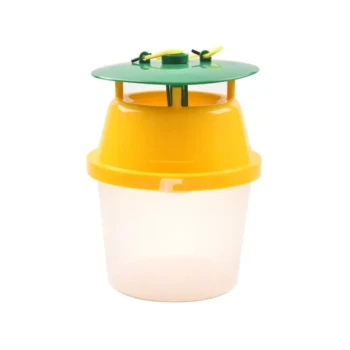
High-specification insect collection nets and specialized traps act as the critical physical interface between raw biological activity and usable scientific data. These professional tools, specifically designed for rigor, enable the efficient capture and subsequent preservation of bee specimens. By providing a standardized method for acquisition, they allow researchers to generate accurate species distribution data essential for biodiversity studies.
The Core Insight Biodiversity monitoring is only as reliable as the quality of the specimens collected. Professional nets and pan traps do not merely catch insects; they ensure specimens are preserved well enough for accurate identification, allowing researchers to document vast record sets and close critical data gaps across large geographic areas.
The Role of Precision Tools in Data Quality
The Necessity of Physical Capture
To monitor diversity effectively, observation is often insufficient; physical specimens are required for taxonomic identification. High-specification insect collection nets provide the active capture mechanism needed for specific targeting of flying insects. Simultaneously, specialized traps, such as pan traps, offer a passive collection method that can be standardized across different locations.
Ensuring Specimen Preservation
The value of a specimen lies in its condition. Professional tools are engineered to facilitate proper preservation immediately upon capture. If a specimen is damaged during the capture process, accurate species identification becomes difficult or impossible, rendering the data point useless. High-quality gear ensures the physical integrity of the bee is maintained for laboratory analysis.
Addressing the Biodiversity Information Crisis
Bridging Data Gaps
One of the primary challenges in ecology is the lack of comprehensive data on insect populations. These tools are specifically cited as the solution to effectively address data gaps in biodiversity monitoring. By deploying efficient capture methods, researchers can move from anecdotal sightings to robust, verifiable datasets.
Scaling Across Geographic Areas
Monitoring diversity is rarely about a single location; it requires understanding distribution over vast areas. The efficiency of professional nets and traps allows for the documentation of vast record sets across large landscapes. This scalability is vital for mapping species distribution and understanding regional biodiversity trends.
Understanding the Trade-offs
The Requirement for "High-Specification"
It is critical to note the distinction made regarding high-specification equipment. Using generic or low-quality improvisations often leads to inconsistent capture rates or damaged specimens. The trade-off for accurate data is the investment in professional-grade tools; without them, the "essential physical foundation" for the survey is compromised, leading to skewed distribution data.
Making the Right Choice for Your Goal
To select the right approach for your biodiversity project, consider your primary data objectives.
- If your primary focus is taxonomic accuracy: Prioritize high-specification nets that ensure the proper preservation of physical specimens for detailed identification.
- If your primary focus is regional mapping: Utilize specialized traps like pan traps to standardize capture methods and generate vast record sets across large geographic areas.
Ultimately, the quality of your biodiversity insight is directly dependent on the precision of your collection tools.
Summary Table:
| Tool Type | Collection Method | Primary Advantage | Best Use Case |
|---|---|---|---|
| High-Spec Nets | Active Capture | Preserves physical integrity for identification | Taxonomic accuracy and targeted sampling |
| Pan Traps | Passive Collection | Standardized data across large scales | Regional mapping and vast record sets |
| Specialized Machinery | Automated Processing | Efficiency in large-scale specimen handling | Commercial apiaries and research facilities |
Elevate Your Biodiversity Research with HONESTBEE
At HONESTBEE, we understand that the foundation of reliable ecological data is the quality of your equipment. We cater specifically to commercial apiaries, distributors, and research institutions, providing a comprehensive wholesale range of professional beekeeping tools and scientific equipment. From high-specification capture gear to advanced honey-filling and hive-making machinery, our portfolio supports every stage of the industry—including essential consumables and honey-themed cultural merchandise.
Ready to scale your operations or monitoring projects? Contact us today to discover how our premium hardware and industry-leading supplies can deliver the precision and efficiency your business demands.
References
- Konstantinos Kougioumoutzis, Theodora Petanidou. Assessing Climate Change Impacts on Island Bees: The Aegean Archipelago. DOI: 10.3390/biology11040552
This article is also based on technical information from HonestBee Knowledge Base .
Related Products
- Professional Bucket Style Wasp and Moth Pheromone Trap
- Gourd Shaped Hanging Wasp Trap Professional Wasp Catcher
- Professional Multi-Component Bucket Wasp Trap
- Plastic Bee Pollen Trap Strips Comb Catcher Collector
- Removable Washable Hive Beetle Trap Attractants for Small Hive Beetles
People Also Ask
- What is the function of Pheromone Traps in the biosecurity monitoring of apiaries? Precision Tools for Pest Control
- What role do Pheromone Traps play in the IPM for Large African Hive Beetles? Essential Surveillance & Control Tips
- How do professional wasp traps function? Master Physical Control of Oriental Hornets to Protect Your Apiary
- What are the practical advantages of using professional wasp traps and protective equipment in apiary management? Scale Up
- Why replace sugar syrup bait in wasp traps every three days? Ensure Maximum Attraction and Catch Rates