Professional pollen collection and botanical identification kits enable beekeepers to transform seasonal unpredictability into a structured industrial workflow. By accurately mapping nectar-producing flora and their specific flowering periods, beekeepers can develop scientific migration plans and prepare storage equipment well in advance of peak flows. This data-driven approach ensures maximum resource capture and operational efficiency throughout the entire production cycle.
These specialized tools shift beekeeping from reactive management to a predictive, high-yield business model. By integrating precise botanical mapping with industrial-grade collection hardware, enterprises can stabilize their supply chains and diversify their revenue streams beyond honey alone.
Optimizing Beekeeping Yields through Scientific Mapping
Developing Strategic Migration Plans
Professional identification kits allow beekeepers to analyze the distribution of specific flora across vast geographic areas. By understanding exactly when and where various plants will bloom, operations can scientifically schedule hive migrations to follow the nectar flow. This precision minimizes downtime for the colony and ensures bees are always positioned in the most productive environments.
Early Logistics and Equipment Preparation
Reliable botanical data allows for the early preparation of collection equipment and specialized storage containers. When beekeepers know the volume and type of pollen or nectar to expect, they can optimize their inventory levels before the peak season begins. This foresight prevents the bottlenecks and resource shortages that frequently plague traditional beekeeping operations.
Maintaining Strong Pollinating Colonies
Management kits include tools for the daily maintenance and expansion of colonies to ensure they remain strong throughout flowering periods that last several week. By utilizing advanced colony management facilities, beekeeping enterprises can prevent the loss of foraging labor due to disease or swarming. This stability is critical for maintaining high production rates in competitive environments where multiple bee species vie for resources.
Diversifying Revenue with Industrial-Scale Collection
Precision Harvesting via Specialized Apertures
Professional pollen traps utilize isolation grids with precisely calibrated aperture designs to physically strip pollen pellets from returning bees. These specialized tools enable the continuous, industrial-scale harvesting of pollen without causing physical injury to the insects. High-quality collectors ensure the initial purity of the biological resources, which is essential for pharmaceutical and chemical applications.
Maximizing Hive Utility and Profitability
Integrating the collection of beeswax, propolis, and pollen into standard workflows allows beekeepers to maximize the utility of every hive. This diversification helps mitigate market risks associated with honey price fluctuations, providing steady income during non-honey seasons. For distributors, offering these specialized tools represents a move toward a comprehensive, full-spectrum product portfolio that meets the needs of high-value beekeeping enterprises.
Guarding Product Purity and Bioactivity
Professional beekeepers act as the primary guardians of product purity by utilizing advanced traps that prevent contamination at the source. This focus on uncontaminated primary products ensures the authenticity and health value of bee derivatives in the global distribution chain. Utilizing high-end machinery allows for a "direct-to-source" quality standard that premium buyers demand.
Critical Pitfalls in Pollen Management
Balancing Collection with Colony Health
While maximizing yield is the goal, beekeepers must understand the physical limitations of pollen collection to avoid stressing the colony. Improperly sized aperture grids can lead to bee injury or the total deprivation of necessary protein for the brood. Successful operations must balance aggressive harvesting with the long-term biological health of the hive.
Maintenance and Infestation Risks
Pollen traps require regular maintenance to prevent the accumulation of debris and the infestation of small hive beetles. Neglecting these tools can lead to the rapid degradation of the collected pollen, rendering it unfit for commercial use. Resellers should emphasize the need for professional-grade, easy-to-clean equipment to help clients avoid these costly operational failures.
Strategies for Resellers to Capture Market Value
To succeed in the B2B beekeeping market, distributors must provide more than just hardware; they must offer a path to increased economic efficiency. Leveraging deep industry expertise and rapid fulfillment ensures your clients stay ahead of the flowering curve.
- If your primary focus is increasing client yield: Supply comprehensive kits that combine botanical identification tools with high-precision pollen traps to enable scientific migration.
- If your primary focus is market diversification: Promote professional-grade collectors for propolis and beeswax to help your clients hedge against honey price volatility.
- If your primary focus is supply chain reliability: Emphasize ultra-fast delivery and one-stop sourcing to ensure your clients have the necessary containers and equipment before the peak nectar flow starts.
Professionalizing the beekeeping production cycle through precision tools is the most effective way to ensure stable, high-value yields in a volatile global market.
Summary Table:
| Feature | Key Benefit for Operations | Production Impact |
|---|---|---|
| Botanical ID Kits | Scientific migration scheduling | Maximized nectar & pollen capture |
| Precision Traps | Industrial-scale harvesting | High-purity biological resources |
| Resource Mapping | Early logistics & inventory prep | Eliminated peak-season bottlenecks |
| Colony Management | Sustained foraging labor strength | Stable, year-round high-yield output |
Partner with HONESTBEE to Scale Your Beekeeping Wholesale Business
Are you ready to provide your clients with the industrial-grade tools they need to master the production cycle? HONESTBEE specializes in empowering distributors and B2B resellers with a comprehensive, one-stop sourcing solution. From high-precision machinery like honey-filling and hive-making equipment to essential consumables and honey-themed cultural merchandise, our full-spectrum portfolio ensures you stay ahead of market demands.
Why Choose HONESTBEE?
- Superior Profit Margins: Premium trading services designed for B2B success.
- Unmatched Reliability: Rapid response times and ultra-fast delivery to keep your supply chain moving.
- Deep Industry Expertise: Professional-grade equipment that guarantees product purity and hive health.
- Tailored Support: Full OEM/ODM capabilities to meet specific regional requirements.
Contact our expert team today to streamline your procurement and deliver exceptional value to your apiary clients!
References
- José Padilla-Vega, Domingo Sánchez Hernández. Geospatial analysis of apiaries and use of flora for honey purposes in Tacotalpa, Tabasco, Mexico. DOI: 10.22533/at.ed.813452413068
This article is also based on technical information from HonestBee Knowledge Base .
Related Products
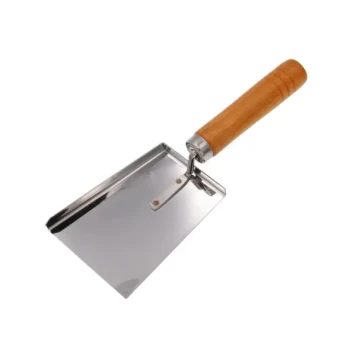
- Stainless Steel Pollen Shovel with Wooden Handle
- 30 cm Plastic Entrance Hole Bee Pollen Trap and Collector
- Professional Large-Format Hive Number Set for Beekeeping
- Plastic Bee Pollen Trap Strips Comb Catcher Collector
- Removable Plastic Pollen Trap With Ventilated Tray for Bees Pollen Collector
People Also Ask
- How do bee pollen collection tools affect the quality of bee pollen used in functional dairy ice cream production?
- Why should commercial apiaries focus on the collection of diversified bee products? Maximize Your Hive’s Profit Potential
- How does a specialized pollen collector facilitate the harvesting of diverse bee products? Automate High-Value Yields
- What is the impact of pollen collectors and associated equipment on the cost structure of pollen production? Maximize ROI
- What is the technical significance of using specialized cutting tools for propolis? Master Precision Pollen Harvesting