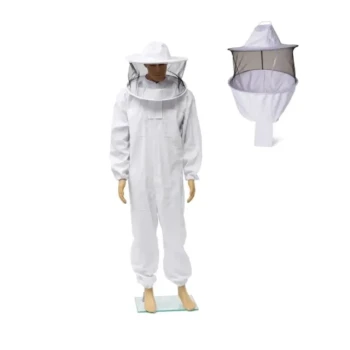
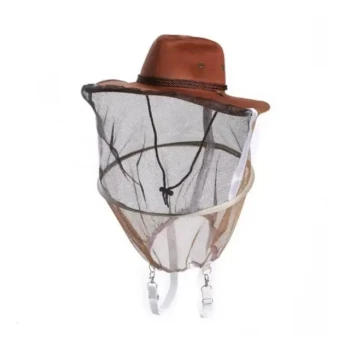
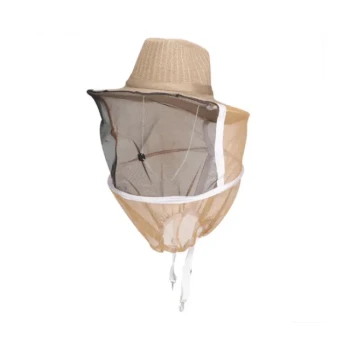
Professional protective gear and specialized tools are essential for managing stingless bees, serving primarily to enhance operator precision and preserve the delicate structure of the hive. While these bees do not possess functional stings, their defensive behaviors—such as biting and swarming sensitive areas—can significantly disrupt operations. Specialized suits provide the physical barrier necessary to maintain operator focus, while precision tools allow for the manipulation of fragile wax structures without causing colony collapse or queen injury.
Core Takeaway: The value of professional equipment in stingless beekeeping lies in minimizing disturbance. Protective suits reduce the "psychological burden" on the beekeeper, enabling steady hands and focused attention, while specialized tools ensure that the complex, non-standard architecture of a stingless bee nest remains intact during inspection and harvest.
Overcoming the Psychological Barrier
Managing Defensive Distractions
Although stingless bees cannot sting, they exhibit intense defensive behaviors, including crawling into orifices, biting, and tangling in hair.
Lightweight, breathable protective suits and specialized veils act as a critical physical barrier. By neutralizing these distractions, the gear reduces the psychological burden on the technician, allowing them to remain calm and deliberate during complex procedures.
Enhancing Operational Precision
The primary benefit of protection is not just safety, but efficiency.
When a technician is not reacting to defensive swarms, they can perform delicate tasks—such as colony splitting or honey collection—with greater accuracy. This focus is vital for preventing accidental injury to the queen or damage to the brood.
Preserving Structural Integrity with Precision Tools
Navigating Delicate Architecture
Stingless bee nests are structurally distinct from honey bee hives, often consisting of intricate clusters of honey pots and brood chambers rather than uniform combs.
Specialized tools, such as fine tweezers and specific inspection knives, allow beekeepers to intervene minimally. These instruments are designed to separate components without crushing fragile wax pots, ensuring that the colony's internal organization is preserved.
Ensuring Queen Safety
The use of crude tools increases the risk of crushing the queen or damaging larval cells.
Precision instruments enable the careful separation of brood sections. This protection of the reproductive caste is critical for maintaining high-density populations, particularly in commercial settings like citrus orchards where pollination efficiency is paramount.
Advanced Monitoring and Logistics
Non-Destructive Data Collection
Effective management requires understanding colony growth without constant physical intrusion.
Measuring tools with standardized grid arrays (e.g., 5cm or 10cm) allow for non-contact measurement. By overlaying these grids, managers can quantify brood, honey, and pollen areas to calculate biological development dynamics without removing bees or disassembling the nest.
Minimizing Stress During Transport
When managing wild collections or migrating colonies, stress reduction is the priority.
Opaque woven bags and professional collection containers are essential for encapsulating nests. Since stingless bees are sensitive to light, these opaque containers prevent worker dispersal and reduce stress during transport, ensuring the safe relocation of the queen and larvae.
Understanding the Trade-offs
The Illusion of Invulnerability
While protective suits enable focus, they can sometimes lead to complacency regarding colony stress.
A fully protected beekeeper may not feel the intensity of the colony's defensive response, potentially leading to over-manipulation. It is vital to remember that while the operator is safe, the colony is still in a state of alarm.
Tool Specificity Limits
Specialized tools are designed for specific tasks (e.g., minimal intervention).
Using these fine instruments for heavy-duty tasks, or conversely, using general tools for delicate work, defeats their purpose. The effectiveness of the tool is entirely dependent on the operator's understanding of the unique biology of the stingless bee nest.
Making the Right Choice for Your Goal
To select the right equipment, you must identify your primary operational objective:
- If your primary focus is Colony Splitting: Prioritize precision knives and fine tweezers to separate brood clusters without rupturing honey pots, which prevents drowning the larvae.
- If your primary focus is Apiary Management: Invest in high-quality, breathable suits, as operator comfort directly correlates to the steadiness of hand required for long inspection sessions.
- If your primary focus is Research or Data Tracking: Utilize standardized grid measuring tools to convert biological observations into statistical parameters without disrupting the colony workflow.
Success in stingless beekeeping is defined by the ability to intervene without leaving a trace; your tools should act as an extension of your intent to protect, not just to produce.
Summary Table:
| Equipment Type | Key Function | Benefit for Stingless Bee Management |
|---|---|---|
| Lightweight Suits | Physical barrier against biting | Reduces operator distraction and ensures steady-handed precision |
| Precision Knives/Tweezers | Delicate nest manipulation | Prevents damage to fragile wax pots and ensures queen safety |
| Standardized Grids | Non-contact measurement | Tracks colony growth/honey levels without physical hive disruption |
| Opaque Woven Bags | Light-sensitive transport | Minimizes colony stress and prevents worker dispersal during relocation |
| Breathable Veils | Specialized facial protection | Stops bees from entering orifices while maintaining high visibility |
Elevate Your Apiary Standards with HONESTBEE
Precision is the foundation of successful stingless beekeeping. At HONESTBEE, we empower commercial apiaries and distributors with the high-performance tools and machinery needed to manage delicate colonies efficiently.
Whether you are scaling up with specialized hive-making and honey-filling machines or seeking a reliable wholesale partner for premium protective suits and essential consumables, our comprehensive portfolio is designed to maximize your output while protecting colony health.
Ready to optimize your beekeeping operations? Contact HONESTBEE today to discuss our wholesale solutions and find out how we can help your business thrive.
References
- I Gede Mangku, Mia Fresnido. The Cultivation of Local Bees in Beekeeper Group “Sarining Trigona Pertiwi” in Bongkasa Pertiwi Village, Badung Regency. DOI: 10.4108/eai.7-9-2021.2317761
This article is also based on technical information from HonestBee Knowledge Base .
Related Products
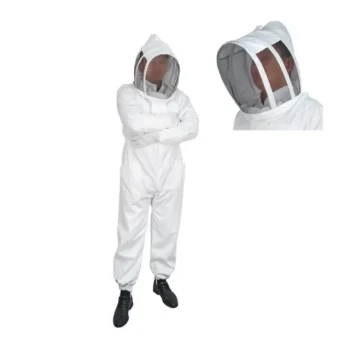
- Premium Cotton Beekeeper Suit with Reinforced Fencing Veil
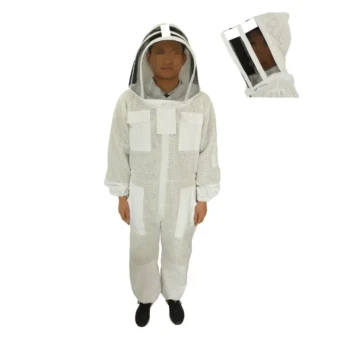
- Three-Layer Ventilated Beekeeper Suit with Structured Fencing Veil
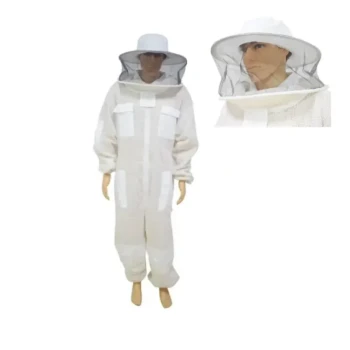
- Premium Three Layer Ventilated Bee Suit with Round Veil
- White Cotton Beekeeping Jacket and Veil for Bee Keepers
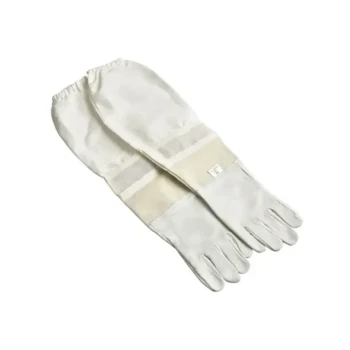
- Goatskin Leather Beekeeper Gloves with Vent Long Sleeve for Beekeeping Honey Bee Sting Proof Protection
People Also Ask
- What material and design specifications are recommended for a high-quality beekeeper suit? Top Gear Selection Guide
- How to Pre-treat Propolis Stains on Beekeeping Suits? Master Advanced Fabric Care and Soil Removal
- What features should be considered for sting protection in a beekeeping suit? Ensure Total Safety and Comfort
- What are the differences between full suits and jackets with veils in beekeeping? Choose Your Best Protection
- What features should be looked for in a beekeeping suit for maximum comfort? Prioritize Ventilation and Fit