The synergy of chemical fixation and physical containment is the gold standard for entomological preservation. High-concentration ethanol (ranging from 70% to 96%) acts as a rapid fixative and microbial inhibitor to stop tissue decay immediately. Sealed sampling bags provide a leak-proof, sterile environment that prevents the evaporation of these preservatives and protects delicate specimens from mechanical damage during transit.
Core Takeaway: To ensure laboratory-grade specimen integrity, distributors must provide a combination of high-purity ethanol for biological fixation and high-sealing polyethylene packaging for physical protection. This dual-layer approach prevents sample degradation and ensures the accuracy of subsequent morphological or genetic analysis.
The Role of Ethanol in Specimen Stabilization
Rapid Tissue Fixation and Microbial Inhibition
High-concentration ethanol serves as both a dehydrant and a chemical fixative that rapidly penetrates the bee's exoskeleton. By inhibiting microbial growth and neutralizing biological enzymes, it prevents the rot and tissue decomposition that would otherwise occur in the field.
Maintenance of Taxonomic and Morphological Features
Proper ethanol concentrations are critical for preserving the physical rigidity and coloration of the specimen's exoskeleton. This ensures that essential morphological indicators, such as head length, thorax width, and wing structure, remain intact for geometric morphometric analysis.
Preservation of Internal Biological Structures
Beyond the external shell, ethanol concentrations of 95% or higher are necessary to stabilize internal structures like Nosema spores or the biochemical properties of bee venom. This deep-tissue preservation is vital for quantitative microscopic analysis and pharmaceutical research.
The Strategic Value of Sealed Sampling Bags
Prevention of Leakage and Contamination
Sealed packaging, such as polyethylene whirl-top bags or high-sealing plastic bottles, creates a physical barrier that prevents the leakage of flammable preservatives. This containment is essential for maintaining safety standards during air or ground transport from the apiary to the laboratory.
Protection Against Mechanical Damage
During logistics and handling, specimens are susceptible to "mechanical damage," such as the loss of wings or delicate hairs. Sealed bags ensure that the bee remains completely submerged in the preservative liquid, cushioning the sample against impact and friction.
Environmental Shielding for Sensitive Bio-Materials
Specialized sealed packaging protects sensitive samples from external factors like humidity and light. For high-value products like bee venom crystals, light-protected and moisture-proof seals are mandatory to prevent oxidative inactivation and maintain biochemical stability.
Understanding the Trade-offs
Ethanol Concentration vs. Specimen Brittleness
While 96% ethanol provides the fastest fixation for genetic material, it can make the exoskeleton excessively brittle over long periods. Conversely, 70% ethanol is often preferred for maintaining the flexibility needed for manual pinning and display, though it may offer less protection for delicate internal tissues.
Bag Flexibility vs. Bottle Rigidity
Sealed bags are highly efficient for space-saving and rapid field collection, making them ideal for high-volume distributors. However, for long-term archival storage, rigid plastic or glass bottles offer better protection against external crushing forces, despite being heavier and more expensive to ship.
Making the Right Choice for Your Goal
As a professional distributor, selecting the correct preservation kit depends on the end-user’s specific research or commercial application.
- If your primary focus is genetic or microscopic analysis: Prioritize 95-96% ethanol and leak-proof bottles to ensure absolute tissue stability and spore integrity.
- If your primary focus is field-to-lab taxonomic identification: Provide 70-75% ethanol and whirl-top bags to balance specimen flexibility with reliable microbial inhibition.
- If your primary focus is high-value medicinal raw materials: Supply light-shielded, moisture-proof sealed containers to prevent the photodegradation of sensitive enzymes and proteins.
- If your primary focus is logistics and bulk distribution: Offer lightweight, high-durability polyethylene bags to maximize shipping efficiency and minimize the risk of fluid leakage.
Comprehensive sourcing of these high-performance preservation tools ensures that your clients receive the quality they need for definitive scientific and commercial success.
Summary Table:
| Preservation Tool | Primary Function | Key Benefits for Specimens |
|---|---|---|
| High-Conc. Ethanol | Chemical Fixation | Rapidly inhibits decay, stabilizes DNA/tissue, and prevents microbial growth. |
| Sealed Sampling Bags | Physical Containment | Prevents leakage of fluids, cushions against impact, and blocks environmental moisture. |
| Specialized Seals | Environmental Shield | Protects sensitive bio-materials from light-induced oxidative inactivation. |
Scale Your Supply Chain with HONESTBEE
Looking for a reliable partner to provide high-quality beekeeping equipment and professional consumables? HONESTBEE serves commercial apiaries and distributors with a robust one-stop sourcing solution. From laboratory-grade preservation tools to specialized machinery like honey-filling and hive-making units, we deliver the quality your clients demand.
Why Choose HONESTBEE?
- Comprehensive Portfolio: A full spectrum of tools, machinery, and industry consumables.
- B2B Growth Focus: Competitive profit margins, OEM/ODM support, and certified quality standards.
- Operational Excellence: Ultra-fast delivery, rapid response times, and deep professional industry expertise.
Contact us today to explore our wholesale opportunities and request a quote!
References
- Susannah B. Lerman, Joan Milam. Bee Fauna and Floral Abundance Within Lawn-Dominated Suburban Yards in Springfield, MA. DOI: 10.1093/aesa/saw043
This article is also based on technical information from HonestBee Knowledge Base .
Related Products
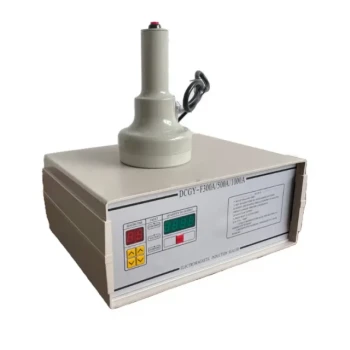
- Handheld Induction Sealing Machine for Tamper Evident Packaging
- Professional 600D Oxford Cloth Beekeeping Tool Bag with 8 Pockets and Elastic Loops
- Conical Nylon Honey Strainer Filter Bag for Beekeeping and Honey Filtration
People Also Ask
- How does tamper-evident sealing equipment benefit the honey trade? Ensure Product Integrity and Market Trust
- What is the function of an induction sealing machine in packaging? Secure Your Brand with Tamper-Evident Seals
- How does the induction sealing process work? Create Tamper-Evident, Airtight Seals for Your Products
- How does an induction sealing machine work? Enhance Honey Packaging with Hermetic Seals & Tamper Evidence
- What is an induction sealing machine and how does it work? Achieve Airtight, Tamper-Evident Seals