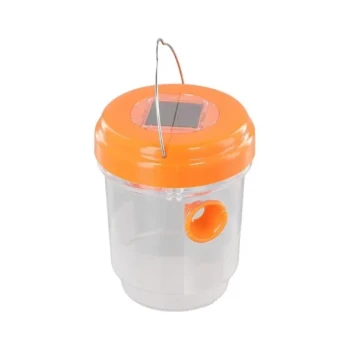
Specialized traps utilizing acidic lures act as a critical defensive barrier against phorid fly infestations in stingless bee colonies. By employing specific attractants—most notably vinegar or sugar-vinegar solutions—these devices intercept adult flies like Pseudohypocera kerteszi before they can infiltrate the hive, preventing the deposition of eggs that leads to larval infestation and colony collapse.
By capturing adult flies outside the hive, specialized traps break the reproductive cycle of the pest without introducing harmful chemicals. This preserves the delicate internal ecosystem of the colony while ensuring the long-term viability of honey production.
The Mechanism of Protection
Exploiting Chemical Attraction
Phorid flies are naturally drawn to specific acidic scents that signal potential breeding grounds. Specialized traps leverage this biological drive by using vinegar or sugar-vinegar solutions as bait. This effectively lures the pests away from the hive entrance and into a containment vessel.
Breaking the Reproductive Cycle
The primary threat to the colony is not the adult fly, but its larvae. If an adult fly enters the hive, it lays eggs that hatch into larvae which consume the bee brood and food stores. By capturing the adult female flies externally, the traps prevent the eggs from ever entering the system.
Eliminating Chemical Risks
Stingless bees are highly sensitive to environmental toxins. Traps function as a physical biological control method, eliminating the need for synthetic pesticides. This ensures the honey produced remains pure and the bees are not exposed to chemical agents that could compromise their health.
Strategic Implementation in Apiaries
Monitoring and Early Warning
Beyond simple removal, these traps serve as essential monitoring devices. The number of flies captured provides beekeepers with real-time data regarding the density of the local pest population. This allows for proactive adjustments to apiary management before an infestation becomes unmanageable.
Complementing Physical Defenses
Traps are most effective when used in conjunction with high-precision hive construction. While traps reduce the pest population, well-sealed hives with specialized entrance structures minimize the entry points for any flies that evade the lures. This layered approach creates a robust defense system for the colony.
Understanding the Trade-offs
Maintenance Requirements
These traps are not "set and forget" solutions; they utilize consumables that degrade over time. The acidic solutions must be replenished regularly to maintain their attractive potency. Failure to maintain the lures renders the traps ineffective, leaving the colony vulnerable.
Limitation of Scope
Traps are preventative and reductive, but they cannot cure a colony that is already heavily infested internally. If the physical integrity of the hive is compromised (poor sealing or gaps), traps alone may not stop all intruders. They must be viewed as part of a holistic management strategy, not a standalone cure.
Making the Right Choice for Your Goal
To effectively manage stingless bee colonies, apply these tools based on your specific objectives:
- If your primary focus is Preventative Health: Deploy vinegar traps around the apiary perimeter to intercept pests before they locate the hive entrances.
- If your primary focus is Organic Certification: Rely on these physical traps to control pest populations without jeopardizing chemical-free standards for honey production.
- If your primary focus is Colony Recovery: Combine trapping with high-precision hive maintenance to ensure no physical gaps undermine the biological control efforts.
Effective phorid fly management relies not just on catching pests, but on creating an environment where the bees can thrive without constant biological pressure.
Summary Table:
| Feature | Specialized Trap Benefit | Impact on Colony |
|---|---|---|
| Attractant Type | Acidic (Vinegar/Sugar-Vinegar) | Intercepts flies before hive entry |
| Control Method | Physical/Biological | Zero chemical residue in honey |
| Pest Lifecycle | Reproductive Break | Prevents larval damage to brood |
| Management Role | Monitoring & Warning | Real-time pest density data |
| Strategic Goal | Preventative Defense | Ensures long-term colony viability |
Secure Your Apiary’s Future with HONESTBEE
Protecting stingless bee colonies requires more than just traps—it demands high-precision equipment and a holistic management strategy. HONESTBEE empowers commercial apiaries and distributors with the tools needed to combat pests like phorid flies while maximizing honey yields.
Our comprehensive wholesale range includes:
- Specialized Beekeeping Hardware: High-precision hive-making and honey-filling machinery.
- Full-Spectrum Equipment: From professional-grade tools to essential industry consumables.
- Retail-Ready Solutions: Honey-themed cultural merchandise for your brand.
Partner with HONESTBEE to access expert-grade supplies designed for the unique needs of the beekeeping industry. Contact us today to optimize your commercial honey production!
References
- Bruna Bianchini Gomes, Alex Sandro Poltronieri. Perfil dos meliponicultores e aspectos da criação de abelhas sem ferrão em Santa Catarina. DOI: 10.52945/rac.v35i3.1471
This article is also based on technical information from HonestBee Knowledge Base .
Related Products
- Professional Bucket Style Wasp and Moth Pheromone Trap
- Solar Powered LED Wasp Trap
- Compact Multi-Funnel Hanging Wasp Trap
- 30 cm Plastic Entrance Hole Bee Pollen Trap and Collector
- Black Plastic Beetle Barn Hive Beetle Trap for Beehives
People Also Ask
- What is the function of Pheromone Traps in the biosecurity monitoring of apiaries? Precision Tools for Pest Control
- What role do Pheromone Traps play in the IPM for Large African Hive Beetles? Essential Surveillance & Control Tips
- How do professional wasp traps function? Master Physical Control of Oriental Hornets to Protect Your Apiary
- What are the practical advantages of using professional wasp traps and protective equipment in apiary management? Scale Up
- Why replace sugar syrup bait in wasp traps every three days? Ensure Maximum Attraction and Catch Rates