Transparent tunnels act as a precision-engineered "optical stage" that physically organizes honeybee movement into a structured data stream. By forcing bees to crawl through a restricted, single-file path, these tunnels eliminate overlapping and erratic flight patterns, ensuring that high-resolution cameras and sensors capture every individual with near-perfect accuracy.
Core Takeaway: These tunnels convert chaotic biological activity into a controlled environment, allowing AI-driven imaging and RFID systems to identify, count, and analyze bees without the errors caused by flight or clustering.
Optimizing Flow for High-Accuracy Imaging
Eliminating Visual Overlap and Occlusion
Returning bees often arrive in clusters, which creates a "stacking" effect that confuses standard image recognition software. Transparent acrylic tunnels guide these bees into a specific field of view, preventing them from overlapping as they enter the hive. This physical constraint is the foundation of transforming manual counting into a reliable, automated workflow.
Vertical Compression for 2D Mapping
By using a transparent layer to compress the activity space to a height of approximately 2 cm, bees are forced to crawl rather than fly. This mechanical restriction eliminates complex dynamic shadows and inconsistent scaling issues caused by bees flying at different depths. For image processing algorithms, this simplifies the task of identifying target morphology against a stable background.
Standardizing the Field of View
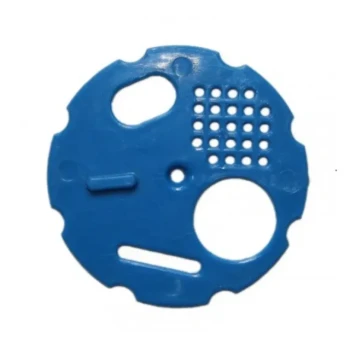
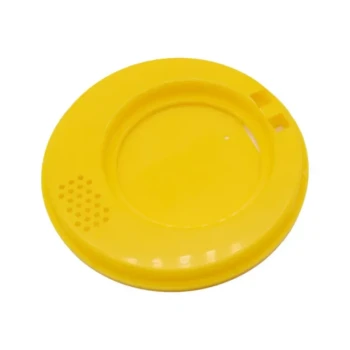
Entrance reducers and baffles narrow the path to match the effective field of view of high-resolution camera sensors. This ensures that every marked or unmarked bee is funneled through the "hot zone" of the monitoring equipment. This flow-control step significantly improves the detection success rate, ensuring no data points are missed during peak activity.
Multi-Sensor Integration and Behavioral Analysis
Facilitating RFID and Electronic Weighing
Precision monitoring often requires more than just cameras; it requires individual identification via Radio Frequency Identification (RFID) and weight tracking. The single-file paths created by these tunnels ensure that bees pass through sensor areas one by one. This is critical for electronic microbalances and RFID antennas, which require a single-subject presence to record accurate, individual-level data.
Preserving Natural Light and Observation
The use of high-transparency materials, such as acrylic or glass, allows for external visual observation without disturbing the colony’s internal environment. This is essential for recording complex social recruitment behaviors, such as the Waggle Dance, which occurs near the entrance. Researchers can map spatial foraging paths and communication angles through these clear walls without introducing artificial light into the brood chamber.
Supporting Automated Pollen Collection
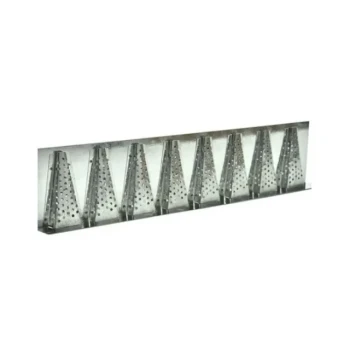
Transparent structures can be integrated with specialized aperture grids used in pollen traps. As bees pass through these precisely sized channels, pollen pellets are dislodged into collection boxes for analysis. This mechanized screening happens in real-time, allowing distributors to offer solutions that monitor both bee health and environmental productivity simultaneously.
Understanding Technical Trade-offs and Maintenance
Managing Debris and Clarity
While transparent tunnels provide excellent data, they are subject to "propolization," where bees coat surfaces with resin, or the buildup of debris. Any loss in transparency directly impacts the accuracy of the image recognition algorithms. Wholesale buyers should look for modular designs that allow for rapid removal and cleaning to maintain system uptime.
Thermal Regulation and Airflow
Restricting an entrance to create a data-collection tunnel can potentially interfere with the hive's natural ventilation. It is vital to ensure that the tunnel length and height do not cause heat stress during summer months. Professional-grade systems often pair these tunnels with standardized beehive structures to ensure consistent airflow and temperature regulation.
Selecting Professional Solutions for Your Portfolio
Expert Guidance for B2B Procurement
As a distributor or reseller, your goal is to provide a comprehensive, full-spectrum product portfolio that integrates seamlessly into commercial beekeeping. Providing high-quality monitoring hardware requires a deep understanding of how physical structures interact with digital sensors.
- If your primary focus is Research Institutions: Prioritize high-transparency observation hives and tunnels that allow for the capture of complex social behaviors and high-resolution video.
- If your primary focus is Commercial Beekeepers: Focus on ruggedized entrance reducers and RFID-compatible tunnels that emphasize durability, rapid installation, and ease of cleaning.
- If your primary focus is Environmental Monitoring: Select integrated systems that combine transparent tunnels with pollen traps and weather-shielded camera housings for long-term field use.
The integration of transparent tunnels is the critical link between raw biological activity and the actionable data required for modern, precision apiculture.
Summary Table:
| Feature | Function in Data Collection | Strategic Benefit |
|---|---|---|
| Single-File Path | Eliminates visual overlap and occlusion. | Near-perfect AI recognition accuracy. |
| Vertical Compression | Forces bees to crawl, removing flight depth. | Simplifies image processing & 2D mapping. |
| High Transparency | Maintains natural light for social monitoring. | Enables study of behaviors like the Waggle Dance. |
| Sensor Integration | Creates structured flow for RFID/weighing. | Reliable individual-level health tracking. |
| Modular Design | Facilitates rapid cleaning of propolis/debris. | Maximizes system uptime and data clarity. |
Partner with HONESTBEE for Advanced Beekeeping Solutions
As a global leader in apiculture supply, HONESTBEE empowers distributors and commercial apiaries with a comprehensive, full-spectrum product portfolio. Whether you need precision monitoring hardware, honey-filling machines, or essential industry consumables, we provide a one-stop sourcing experience designed for your growth.
Why B2B Partners Choose HONESTBEE:
- Deep Industry Expertise: Professional-grade equipment tailored for commercial scale and research accuracy.
- Rapid Fulfillment: Ultra-fast delivery and efficient order processing to keep your inventory moving.
- Exceptional Service: Dedicated support with a focus on high profit margins and reliable OEM/ODM solutions.
- Comprehensive Range: From specialized hive-making machinery to honey-themed cultural merchandise.
Ready to elevate your product offering? Contact us today to discuss wholesale opportunities and see how our premium trading services can benefit your business!
References
- Manuel Treder, Peter Rosenkranz. Defined exposure of honey bee colonies to simulated radiofrequency electromagnetic fields (RF-EMF): Negative effects on the homing ability, but not on brood development or longevity. DOI: 10.1016/j.scitotenv.2023.165211
This article is also based on technical information from HonestBee Knowledge Base .
Related Products
- Professional Reversible Beehive Hive Entrance
- Multi-Functional Sliding Hive Entrance for Beekeeping
- Beehive Entrance Discs Plastic Bee Entrance Disc for Bee Hives
- Beehive Entrance Reducer Guardian Metal Hive Entrance for Bees
- Steel Round Disc Entrance Reducer for Flexzion Bee Hive Nuc Box Gate
People Also Ask
- Where is the hive entrance typically located? Optimize Your Hive's Health and Honey Production
- What role does the size of the entrance play in hive ventilation? Master Beehive Climate Control
- What roles does the hive entrance (piquera) play in beehive management and colony health? Essential Guide for Pro Apiaries
- What are the primary advantages of providing a smaller entrance for a beehive? Boost Defense and Winter Survival
- Why adjust beehive entrance size for humidity? Boost Honey Ripening and Varroa Control in Commercial Apiaries