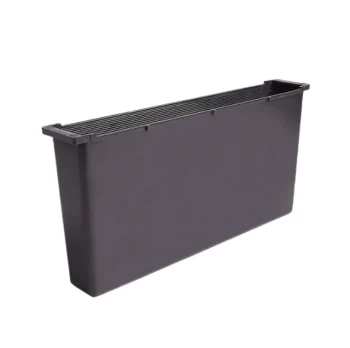
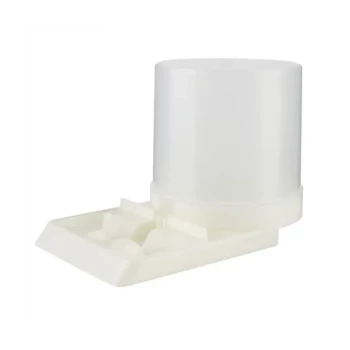
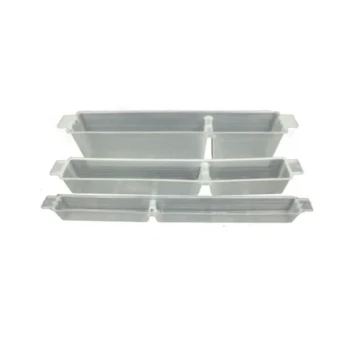
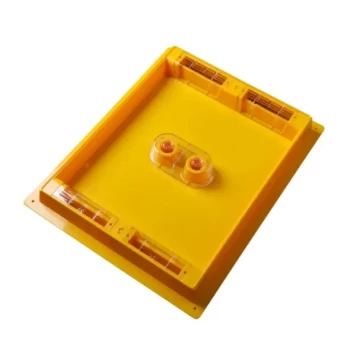
Uniformity in feeder specifications is the cornerstone of experimental integrity in modern apiculture. By providing identical physical space and accessibility across all colonies, these feeders eliminate structural bias, ensuring that observed differences in bee performance are the direct result of nutritional variables rather than equipment design.
Standardized internal feeders serve as a critical control variable, isolating the impact of feed supplements from hardware-induced interference. This baseline of physical consistency is what allows researchers and commercial distributors to verify the true efficacy of nutritional products.
Eliminating Physical Bias in Nutritional Testing
Identical Accessibility Conditions
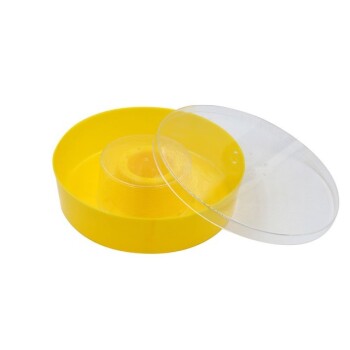
Uniformly specified internal feeders ensure that every bee colony interacts with its supplement under identical physical constraints. This standardization prevents colonies from developing preferences based on the feeder's structure rather than the feed's content.
Isolation of Nutritional Variables
When hardware is a constant, researchers can objectively compare materials like pumpkin, banana, or corn. This allows for a pure analysis of nutritional efficacy without the interference of physical accessibility biases.
Quantifying Consumption Rates
Standardized feeders provide a controlled access point that allows for the precise measurement of feed consumption. This hardware-based isolation is essential for monitoring the differences between various feed types, such as fermented versus unfermented supplements.
The Role of System-Wide Standardization
Minimizing Environmental Interference
Utilizing beehives and internal components with uniform specifications minimizes mechanical errors and environmental noise. This ensures that all experimental replicates operate under the same physical conditions, which is vital for professional-grade results.
Ensuring Data Reproducibility
Standardization significantly enhances the universality and reproducibility of experimental findings. For distributors and wholesalers, this means the data used to market specific feeds is reliable and can be replicated in diverse geographical locations.
Reflecting Genetic Characteristics
Standardized hardware ensures that observed behavioral differences in bees truly reflect their genetic characteristics and local adaptability. This removes "noise" from the data, allowing breeders and researchers to make accurate assessments of colony health.
Safety, Hygiene, and Operational Efficiency
Preventing Robbing Behavior
Scientifically designed internal feeders provide a controlled access point that prevents syrup leakage. This is a critical safety feature that avoids triggering robbing behavior among neighboring bee colonies.
Safeguarding Colony Populations
Professional-grade feeders are engineered to prevent bees from drowning during the feeding process. This ensures that supplemental feeding operations remain hygienic and safe, preserving the colony population for accurate data collection.
Modeling Adulteration Detection
Uniform feeders allow researchers to simulate how non-natural nectar sources, like high-fructose corn syrup, dilute lipid markers in honey. This standardization is fundamental in establishing models for detecting honey adulteration in the global supply chain.
Understanding the Trade-offs
The Cost of Absolute Uniformity
Maintaining a fleet of perfectly uniform feeders requires a higher initial investment and rigorous quality control. While standardized equipment ensures better data, it demands a commitment to professional sourcing and regular maintenance to prevent wear and tear from introducing new variables.
Rigidity vs. Specialized Needs
Standardization can sometimes limit the ability to test how different bee species react to varied feeder designs. However, for comparative nutritional studies, the benefits of removing structural bias far outweigh the loss of design flexibility.
Making the Right Choice for Your Goal
How to Apply This to Your Project
For organizations seeking to validate feed products or manage large-scale apiaries, selecting a professional partner for standardized hardware is essential.
- If your primary focus is Research Integrity: Prioritize feeders with ultra-precise specifications to ensure that every experimental replicate is identical and free from mechanical bias.
- If your primary focus is Commercial Scalability: Source from a provider offering a full-spectrum portfolio of standardized components to ensure rapid response and efficient order fulfillment across multiple locations.
- If your primary focus is Market Trust: Utilize data generated from standardized internal feeders to provide your B2B clients with objective proof of nutritional efficacy and safety.
By prioritizing uniform hardware specifications, you ensure that your apicultural results are both scientifically sound and commercially viable.
Summary Table:
| Feature | Experimental Benefit | Commercial Value for Distributors |
|---|---|---|
| Identical Accessibility | Eliminates hardware-induced bias | Proves true nutritional efficacy to clients |
| Controlled Access | Prevents robbing and drowning | Minimizes colony loss and data noise |
| Standardized Specs | Enhances data reproducibility | Reliable marketing data for feed products |
| System Integration | Minimizes mechanical errors | Streamlines large-scale apiary management |
Elevate Your Bee Supply Business with HONESTBEE
As a global leader in one-stop sourcing for commercial apiaries and B2B distributors, HONESTBEE provides the professional-grade hardware required to ensure experimental integrity and operational success. Our full-spectrum portfolio—ranging from precision internal feeders and hive-making machinery to honey-filling equipment and essential consumables—is designed for rapid deployment and high-efficiency fulfillment.
Why Partner with HONESTBEE?
- Comprehensive Portfolio: Access everything from specialized hardware to honey-themed cultural merchandise.
- B2B Optimized Services: Benefit from competitive wholesale margins, OEM/ODM support, and deep professional industry expertise.
- Reliable Supply Chain: Ensure your inventory stays stocked with our ultra-fast delivery and dedicated, exceptional customer service.
Contact HONESTBEE Today to Scale Your Operations
References
- Naznin Sultana, Md. Mashiur Rahman. Evaluating the efficiency of supplementary feeding as a management strategy for enhancing honeybee (Apis mellifera L.) colony growth and productivity. DOI: 10.3389/frbee.2024.1386799
This article is also based on technical information from HonestBee Knowledge Base .
Related Products
- Professional In-Hive Bee Feeder HONESTBEE Frame for Beekeeping
- HONESTBEE Entrance Bee Feeder Professional Hive Nutrition Solution for Beekeeping
- In-Hive Dual Compartment Frame Bee Feeder for Targeted Colony Nutrition
- White Plastic 0.5L Beekeeping Entrance Feeder for Bees
- HONESTBEE Entrance Bee Feeder Efficient Hive Front Liquid Feeding Solution for Beekeeping
People Also Ask
- When should beekeepers stop feeding their bees? Let Your Bees Tell You
- Why is the use of a beekeeping feeder for syrup supplementation important? Boost Colony Growth and Survival
- What are the common types of internal and external feeders used in beekeeping? Choose the Right Feeder for Your Hive
- What is a feeder in the context of beekeeping? Optimize Your Hive Nutrition and Growth
- How do specialized feeders contribute to effective artificial feeding? Scientific Apiary Management & Colony Health