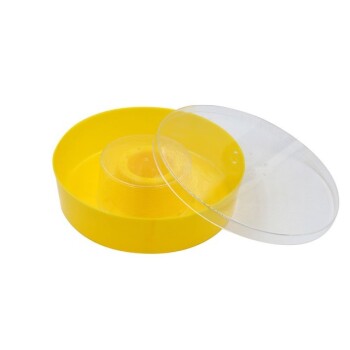
Italian and Carniolan colonies require different equipment priorities. Italian bees maintain larger winter populations and continue brood rearing later into the season, so they generally need greater honey reserves, higher-capacity feeders, and more reliable late-autumn and winter feeding plans. Carniolan colonies contract to much smaller winter populations and consume less during cold months, but they require efficient spring feeding and rapid hive expansion as the colony rebuilds.
The central planning difference is timing: Italian apiaries need more winter feed capacity and supply depth, while Carniolan apiaries need lighter winter feeding infrastructure but stronger spring expansion and swarm-management capacity.
Why Breed Biology Changes Equipment Planning
Italian bees maintain larger winter colonies
Italian honey bees (Apis mellifera ligustica) typically retain substantial populations and brood later into autumn and winter. Their larger colonies consume more stored honey and may require supplemental feed when natural forage is unavailable.
For commercial operations, this increases demand for winter feed supplies, high-capacity feeders, and standardized feeding procedures across the apiary.
Carniolan bees reduce winter populations
Carniolan honey bees (Apis mellifera carnica) naturally reduce brood production and form smaller winter colonies when pollen and nectar become scarce. This lowers cold-season food consumption and generally reduces the amount of winter feed that must be supplied.
However, the colony’s spring population can increase very quickly. The equipment burden shifts from winter survival to rapid spring support and timely hive expansion.
Italian Apiary Requirements
Larger winter feed inventories
Italian colonies require more substantial stores before winter because they maintain more bees and continue consuming resources during periods of limited forage. Commercial apiaries should plan procurement around both stored honey reserves and possible supplemental feeding.
This creates a need for reliable access to sugar syrup, emergency feed, and—when appropriate—protein supplements during late autumn or early spring shortages.
Higher-capacity feeding equipment
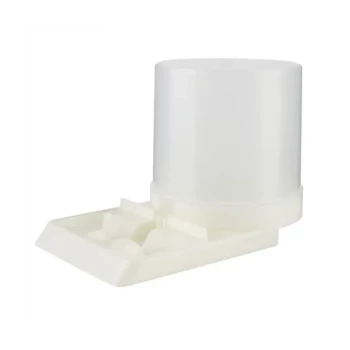
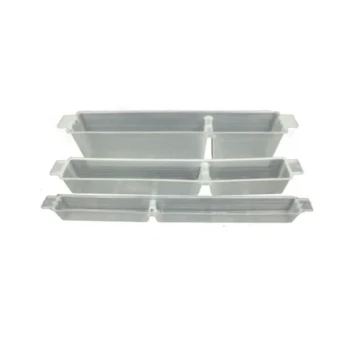
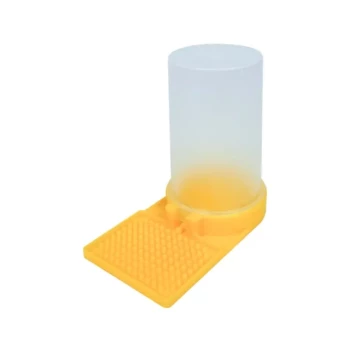
Italian operations benefit from equipment that can deliver feed efficiently without frequent hive-by-hive replenishment. Suitable options include hive-top feeders, division-board feeders, frame feeders, candy boards, and syrup-feeding systems.
The best choice depends on hive configuration, climate, labor availability, and whether the operation prioritizes liquid feed, solid emergency feed, or both.
More frequent feeding windows
Because Italian colonies may continue brood rearing and consume stores during autumn and winter, feeding may be required across multiple dearth periods rather than only once before winter. Managers need equipment that supports late-season, winter-emergency, and early-spring feeding.
For distributors and commercial buyers, this favors a full range of compatible feeder formats rather than a single feeder type.
Carniolan Apiary Requirements
Smaller winter feeding setups
Carniolan colonies generally enter winter with fewer active bees and consume less feed than comparable Italian colonies. As a result, they may require smaller-volume or less frequently replenished winter feeders, provided that the colonies have adequate stores and local conditions are suitable.
This does not eliminate the need for winter inspections or emergency feed. It reduces the normal scale of winter feeding infrastructure.
Rapid spring feeding capability
Carniolan colonies rebuild quickly when pollen and nectar become available. Spring feeding equipment must therefore be ready to support rapid population growth when natural forage is delayed or insufficient.
Useful inventory includes early-spring syrup feeders, protein-supplement equipment where needed, additional frames, hive bodies, and supers for fast colony expansion.
Swarm-control equipment
The same rapid spring buildup can increase swarming pressure. Carniolan apiaries should stock extra hive bodies, supers, queen excluders, frames, and swarm-management supplies before the main spring expansion begins.
This is a critical commercial distinction: Carniolans may require less winter feeding capacity but more ready-to-deploy spring hardware.
Comparing the Operational Priorities
Winter feed capacity
| Requirement | Italian bees | Carniolan bees |
|---|---|---|
| Winter colony size | Generally larger | Generally smaller |
| Winter consumption | Higher | Lower |
| Feed inventory | Substantial | More moderate |
| Feeder capacity | Larger-capacity equipment is advantageous | Smaller or lower-frequency setups may be adequate |
| Main risk | Starvation caused by high consumption | Delayed spring support or insufficient expansion capacity |
These are management tendencies, not fixed guarantees. Weather, colony strength, forage availability, queen condition, and local strain selection can materially change actual requirements.
Spring readiness
Italian colonies may already have substantial populations and brood activity when spring begins. Their equipment plan should emphasize maintaining feed continuity while managing strong colonies.
Carniolan colonies often require a more rapid transition from winter management to expansion management. Feeders, frames, hive bodies, and supers should be positioned and standardized for quick deployment.
Labor and fulfillment requirements
Italian apiaries may face higher recurring labor demands for checking stores, replenishing feed, and managing multiple feeding periods. Efficient, standardized feeders can reduce handling time across large numbers of colonies.
Carniolan apiaries may have a shorter winter feeding workload but a more compressed spring response window. Delays in supplying expansion equipment can contribute to congestion and swarming.
Understanding the Trade-offs
Lower winter consumption does not mean no winter management
Carniolan bees still need adequate stores, appropriate colony assessment, and emergency-feed planning. A smaller winter population can reduce consumption, but it does not protect a colony from starvation caused by inadequate stores or prolonged cold conditions.
Equipment should be selected based on actual colony strength and regional conditions rather than breed label alone.
Larger Italian feeders can create handling disadvantages
High-capacity feeders reduce replenishment frequency, but they can add weight, cost, and handling complexity. They may also be unnecessary for small colonies or locations with reliable forage.
Commercial buyers should match feeder volume to colony population, inspection schedules, and available labor instead of automatically choosing the largest model.
Rapid Carniolan buildup can outpace hive preparation
Carniolan colonies may need expansion equipment quickly in spring. If extra hive bodies, supers, frames, or queen excluders are not available when required, the resulting congestion can increase swarm-management pressure.
For wholesalers and distributors, this makes seasonal inventory timing and fast order fulfillment especially important for Carniolan customers.
Breed is only one planning variable
Italian and Carniolan bees are not uniform across every line or environment. Climate, forage gaps, colony size, disease pressure, queen quality, and beekeeper practices can alter feeding requirements substantially.
A responsible equipment plan uses breed tendencies as a starting point, then adjusts inventory to regional operating data.
Building a Practical Commercial Inventory
Stock Italian-focused winter equipment
A supplier serving Italian-bee operations should prioritize:
- High-capacity hive-top feeders
- Division-board and frame feeders
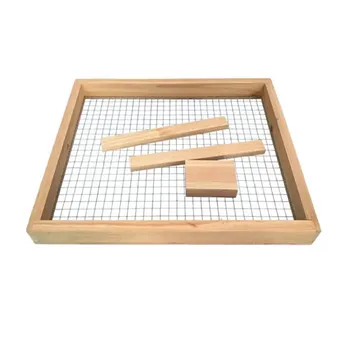
- Candy boards or other solid emergency-feed equipment
- Adequate syrup and supplemental-feed supplies
- Standardized feeder components for rapid deployment
- Replacement parts and compatible hive hardware
The objective is to prevent feed shortages while minimizing the labor required to service large winter colonies.
Stock Carniolan-focused spring equipment
A supplier serving Carniolan operations should emphasize:
- Moderate-capacity winter feeders
- Early-spring syrup-feeding equipment
- Protein-supplement equipment when required by local conditions
- Extra hive bodies and supers
- Frames and foundation
- Queen excluders and swarm-management hardware
The objective is to make expansion possible immediately when colonies begin their rapid spring buildup.
Support both systems with standardized products
Commercial apiaries benefit from uniform hive dimensions, interchangeable frames, durable feeders, and clear compatibility information. Standardization allows operators to move equipment quickly between colonies and reduces training and maintenance complexity.
For distributors and resellers, a full-spectrum product portfolio is more valuable than a narrow feeder-only offering because breed-specific needs change across the season.
Making the Right Choice for Your Goal
Choose equipment according to the colony’s seasonal behavior, regional climate, and the speed at which your operation must respond.
- If your primary focus is winter survival for Italian colonies: Prioritize substantial feed inventories, high-capacity feeders, emergency-feed options, and equipment that supports repeated late-autumn and winter feeding.
- If your primary focus is winter efficiency for Carniolan colonies: Use appropriately sized winter feeding systems while ensuring colonies enter winter with adequate stores and receive proper inspections.
- If your primary focus is rapid Carniolan spring expansion: Stock feeders, frames, hive bodies, supers, queen excluders, and swarm-management supplies before the spring buildup begins.
- If your primary focus is commercial distribution: Maintain standardized, compatible equipment with rapid replenishment capability so customers can cover both Italian winter feeding and Carniolan spring expansion requirements.
Match the equipment strategy to the bee’s seasonal behavior, and your inventory will support healthier colonies, lower labor pressure, and more reliable apiary performance.
Summary Table:
| Requirement | Italian Bees | Carniolan Bees |
|---|---|---|
| Winter colony size | Generally larger | Generally smaller |
| Winter consumption | Higher | Lower |
| Feed inventory | Substantial | More moderate |
| Feeder capacity | Larger-capacity equipment is advantageous | Smaller or lower-frequency setups may be adequate |
| Main risk | Starvation caused by high consumption | Delayed spring support or insufficient expansion capacity |
| Spring readiness | Already substantial populations and brood activity; maintain feed continuity | Rapid transition from winter to expansion management; fast deployment needed |
| Labor and fulfillment | Higher recurring labor for checking stores and replenishing feed | Shorter winter workload but compressed spring response window |
Ready to optimize your apiary with the right equipment for Italian or Carniolan bees? At HONESTBEE, we supply a comprehensive range of beekeeping tools, machinery, and equipment tailored for commercial apiaries and distributors. Our one-stop sourcing capabilities and premium trading services ensure you get fast delivery, dedicated support, and professional expertise. Whether you need high-capacity feeders for Italian colonies or rapid spring expansion gear for Carniolans, we have the products and inventory timing to keep your operation efficient. Contact us today to discuss your needs and discover how our full-spectrum portfolio can support your business. Get in touch with our team.
Related Products
- Heavy-Duty Candy Board with Galvanized Mesh for Beekeeping
- Professional In-Hive Bee Feeder HONESTBEE Frame for Beekeeping
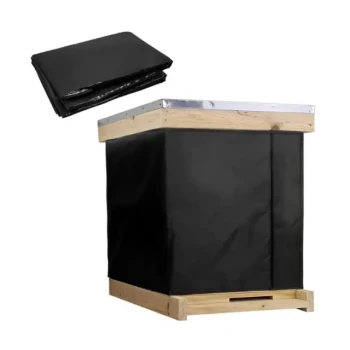
- Professional Insulated Winter Hive Wrap for Beekeeping
- Heavy-Duty Ergonomic Grip Galvanized Pollen Shovel
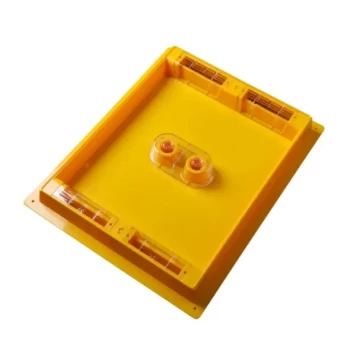
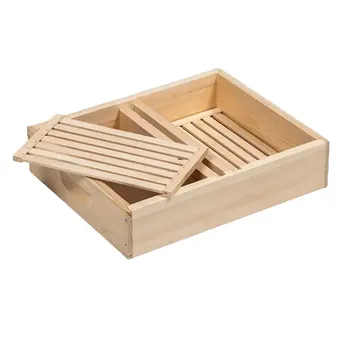
- Professional Hive Top Bee Feeder for Beekeeping
People Also Ask
- Why is feeding bees considered a last resort by beekeepers? To Protect Honey Purity and Colony Health
- How much sugar does a bee consume daily? Fueling the Hive's Incredible Energy Needs
- Which physical properties of powdered sugar are used in the sugar shake method? Master Varroa Mite Assessment
- What is the mechanism by which Powdered Sugar assists in removing varroa mites? Natural Varroa Control Explained
- What is the recommended sugar-to-water ratio for spring feeding? Use a 1:1 Ratio to Stimulate Hive Growth