Wooden top-bars function as the essential structural interface between the colony's biological needs and the beekeeper's harvesting goals. Rather than acting as a disposable item themselves, they serve as the physical substrate that anchors the consumable resource—the wax comb and honey—allowing for a specific, non-destructive extraction method. By enabling the removal of individual combs, these bars allow the beekeeper to harvest a calculated portion of honey while preserving the colony's critical winter reserves.
The Core Takeaway Wooden top-bars are the mechanism that enables sustainable harvesting through precision. They allow the beekeeper to physically isolate a comb and cut away exactly two-thirds of the honey yield, ensuring the remaining third is returned to the hive to support colony survival.
The Role of the Substrate in Colony Structure
Functioning as a Foundation
The wooden top-bar serves as the physical substrate for the colony's construction efforts. Honeybees utilize the bar as a solid anchor point, attaching their wax combs directly to the wood.
Enabling Modular Management
Because the combs are attached to individual bars rather than a fixed hive body, the top-bar system turns the colony's stores into a modular resource. This allows the beekeeper to interact with the hive on a comb-by-comb basis, rather than disrupting the entire colony at once.
The Mechanics of Sustainable Harvesting
The "Two-Thirds" Extraction Method
The primary function of the top-bar during the harvest is to facilitate precision cutting. Once a bar is removed, the beekeeper cuts away the lower two-thirds of the honeycomb. This harvested portion constitutes the yield for human consumption.
Preserving Winter Stores
The design of the top-bar allows the top third of the comb to remain attached to the wood. This remaining portion is not harvested; instead, it is returned to the hive.
Ensuring Continuous Capacity
By leaving a portion of the honey and the comb structure intact on the bar, the system ensures the bees have immediate access to food sources (winter stores). This secures the colony's survival through the winter and maintains their capacity for continuous production in the following season.
Understanding the Trade-offs
Yield vs. Survival
The top-bar system is designed for balance, not maximum extraction. The definitive trade-off is that you are voluntarily limiting your harvest to roughly 66% of the available honey on a specific comb to prioritize the long-term health of the colony.
Reliance on Precision
This method requires manual accuracy. Unlike bulk extraction methods, the beekeeper must visually assess and physically cut the comb to ensure enough stores are left behind. Errors in cutting too deep can threaten the colony's winter food supply.
Making the Right Choice for Your Goal
To apply this top-bar management strategy effectively, consider your primary objectives:
- If your primary focus is Colony Sustainability: Adhere strictly to the two-thirds rule, ensuring the upper portion of the comb remains firmly attached to the bar for winter nourishment.
- If your primary focus is Harvest Yield: Recognize that this system caps your immediate return per comb to ensure the colony remains a viable production unit for the next season.
By utilizing the top-bar as a tool for partial extraction, you transform honey harvesting from a depletion event into a sustainable management cycle.
Summary Table:
| Feature | Function in Hive Management | Impact on Sustainability |
|---|---|---|
| Physical Substrate | Provides a solid anchor for wax comb attachment | Ensures stable comb growth for easy handling |
| Modular Design | Allows individual comb removal and inspection | Minimizes colony disruption during harvest |
| Partial Extraction | Facilitates cutting only 2/3 of the honeycomb | Leaves 1/3 as essential winter food reserves |
| Structural Interface | Connects biological needs with harvest goals | Balances immediate yield with long-term survival |
Elevate Your Beekeeping Operation with HONESTBEE
At HONESTBEE, we specialize in empowering commercial apiaries and distributors with high-quality, professional-grade equipment. Whether you are looking for precision-crafted wooden hive components or advanced honey-filling machinery, our comprehensive wholesale portfolio is designed to maximize your efficiency and colony health.
Our Value to You:
- Wholesale Excellence: Full spectrum of beekeeping tools, hardware, and essential consumables.
- Industrial Solutions: Specialized machinery from hive-making to honey processing.
- Sustainable Growth: Equipment designed to support modern, sustainable colony management practices.
Ready to scale your production? Contact us today to discuss your wholesale needs and see how our expertise can drive your business forward.
References
- Haralampos V. Harissis, Georgios Mavrofridis. A 17th Century Testimony On The Use Of Ceramic Top-bar Hives. DOI: 10.1080/0005772x.2012.11417481
This article is also based on technical information from HonestBee Knowledge Base .
Related Products
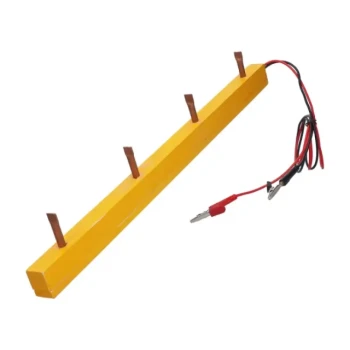
- HONESTBEE Wooden Bar Copper Prong Wire Embedder for Battery Operation
- Long Langstroth Style Horizontal Top Bar Hive for Wholesale
- Top Bar Beehive for Beekeeping Wholesales Kenya Top Bar Hive
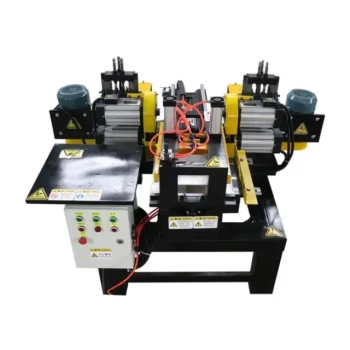
- HONESTBEE Top Bar & Bottom Bar Forming Machine | Bee Frame Machine
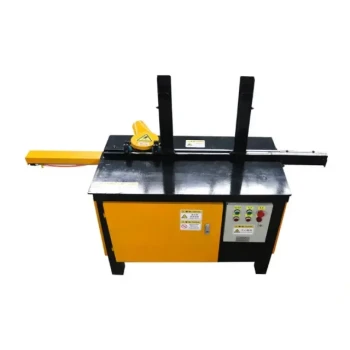
- HONESTBEE Bee Frame Grooving Machine | Precision Slotting for Bee Frame Making
People Also Ask
- What tools and materials are required for wiring a beehive frame? Essential Equipment for Stronger Honeycomb
- What is the purpose of bee frame wire? Secure Wax Foundation and Reinforce Honeycomb
- What is the specified wire gauge for the bee frame wire? Mastering 26-Gauge Wire for Durable Honeycomb Support
- What material is bee frame wire typically made from? The Critical Choice for Hive Health
- What is the final step in wiring a frame? Secure Lasting Tension for a Durable Hive