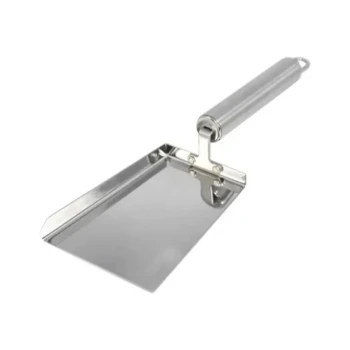
External pollen feeders optimize colony health by allowing bees to collect dry protein substitutes outside the hive, directly simulating their natural foraging instincts. This method removes the need for placing moist patties inside the brood nest, which significantly lowers the risk of attracting pests like small hive beetles and reduces physical congestion within the colony.
By shifting protein consumption outside the hive, you minimize internal risks and eliminate the moist environment that pests thrive in, while maintaining a steady supply of nutrition.
Simulating Natural Behavior
The Foraging Instinct
External feeders allow bees to engage in natural foraging behavior. Rather than consuming a patty placed directly on top of the frames, bees leave the hive to collect the dry powder, processing it much like they would natural pollen.
Reducing Hive Congestion
Placing food sources inside the hive can overcrowd the brood nest, making it difficult for bees to maneuver. External feeding helps reduce congestion within the hive, keeping the internal space clear for brood rearing and other essential colony activities.
Pest and Hygiene Management
Mitigating Small Hive Beetle Risks
One of the most significant advantages of external feeding is pest management. Internal pollen patties are moist, which creates an ideal breeding ground for small hive beetles.
Keeping the Brood Nest Clean
By using a dry powder outside the hive, you remove the moist attractant from the brood nest. This simple shift in feeding location protects the vulnerable core of the colony from pest infestation.
Operational Considerations and Trade-offs
The Requirement for Dry Conditions
To function correctly, the protein powder must remain dry. External feeders require careful placement in sunny, sheltered areas to prevent the supplement from becoming wet or caked.
Environmental Exposure
Because the feeder is outside, it is more exposed to the elements than an internal feeder. You must ensure the setup shields the feed from rain and morning dew to maintain its quality and accessibility.
Making the Right Choice for Your Apiary
When deciding on a feeding strategy, consider your specific environmental risks and colony needs.
- If your primary focus is pest control: External feeders are the superior choice, as they eliminate the moist internal patties that attract small hive beetles.
- If your primary focus is reducing disturbance: External feeding prevents the need to open the hive frequently to replace patties, minimizing disruption to the colony.
External feeding offers a sanitary, behaviorally appropriate way to support your bees without compromising the internal hygiene of the hive.
Summary Table:
| Feature | Internal Pollen Patties | External Dry Feeders |
|---|---|---|
| Foraging Behavior | Passive consumption | Simulates natural foraging |
| Pest Risk | High (attracts Small Hive Beetles) | Low (dry environment) |
| Hive Congestion | Crowds the brood nest | Keeps internal space clear |
| Weather Dependency | Protected by hive | Requires dry, sunny placement |
| Colony Disturbance | High (requires opening hive) | Minimal (external access) |
Scale Your Apiary Success with HONESTBEE
Are you looking to optimize your commercial operations or expand your distribution portfolio? HONESTBEE specializes in supporting commercial apiaries and distributors with premium-grade beekeeping solutions. From high-efficiency pollen feeders to industrial-grade honey-filling machines and specialized hive-making equipment, we provide the full spectrum of tools and consumables you need to thrive.
Why partner with HONESTBEE?
- Comprehensive Wholesale Range: One-stop shop for hardware, machinery, and industry consumables.
- Commercial Expertise: Tailored solutions designed for large-scale productivity and durability.
- Global Supply Chain: Reliable delivery of essential beekeeping equipment and honey-themed merchandise.
Ready to elevate your beekeeping efficiency and safeguard your colonies? Contact us today to discuss your wholesale needs and let HONESTBEE provide the professional tools your business deserves.
Related Products
- HONESTBEE Entrance Bee Feeder Professional Hive Nutrition Solution for Beekeeping
- Removable Plastic Pollen Trap With Ventilated Tray for Bees Pollen Collector
- Stainless Steel Pollen Shovel with Wooden Handle
- Plastic Bee Pollen Trap Strips Comb Catcher Collector
- 30 cm Plastic Entrance Hole Bee Pollen Trap and Collector
People Also Ask
- What types of bee feeders are available for beginners? Start with the Simple Entrance Feeder
- What are the advantages and disadvantages of using an entrance feeder for bees? Balance Convenience and Hive Security.
- What is a bee entrance feeder and what are its drawbacks? Essential Guide to Hive Security and Feeding Efficiency
- How does a bee entrance feeder work? A Simple Guide to Convenient Hive Feeding
- How to make an entrance feeder for bees? A DIY Guide for Safe & Effective Feeding