Artificial insemination equipment gives commercial apiaries direct control over queen–drone pairings, replacing the genetic uncertainty of open mating with a repeatable breeding process. Breeders can select drones from known lines and inseminate queens with precision, supporting the development of colonies with traits such as productivity, gentleness, disease resistance, and strong foraging performance. When combined with queen-rearing equipment and performance records, instrumental insemination becomes a practical tool for accelerating genetic selection and maintaining consistent queen lines.
The central value of artificial insemination equipment is genetic control. It does not replace the entire queen-rearing system; instead, it provides the precision link between selected drone genetics and commercially produced queens.
How Artificial Insemination Supports Queen Breeding
It controls the genetic parents
In natural mating, a virgin queen typically mates with multiple drones during mating flights. Weather, geography, drone availability, and surrounding colonies can all influence the resulting genetics.
Artificial insemination allows a trained operator to select sperm from identified drones and introduce it into a queen under controlled conditions. This makes the queen’s paternal contribution traceable and supports planned crosses between local stock and selected breeding lines.
It accelerates trait selection
A queen can lay up to approximately 1,500 eggs per day, while worker bees reach adulthood in about 21 days. This rapid reproductive cycle gives commercial breeders a large population on which to evaluate traits and make subsequent selection decisions.
Instrumental insemination does not eliminate the need for field testing, but it makes each generation more deliberately designed. Breeders can compare colonies for honey production, temperament, brood performance, overwintering ability, and resistance to pests or diseases.
It supports line breeding and hybridization
Breeders can use selected drone material to maintain a particular line, combine compatible lines, or develop hybrids with targeted characteristics. The objective may be to preserve a stable genetic profile or to combine complementary traits from different populations.
For commercial apiaries, this improves the predictability of queen production. Customers are more likely to receive queens linked to documented breeding goals rather than queens produced through largely uncontrolled mating.
The Equipment’s Role in a Commercial Breeding System
Precision instruments enable repeatable procedures
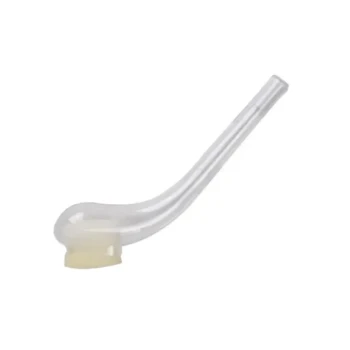
An instrumental insemination system typically includes specialized components such as a queen-holding or positioning device, insemination syringe, fine capillary, magnification equipment, and controlled handling tools. These components must work together to support accurate, low-stress manipulation of queens and semen.
Equipment quality affects more than convenience. Stable positioning, smooth fluid delivery, suitable visibility, and reliable sterilization procedures all influence operator consistency and queen handling outcomes.
Queen-rearing supplies complete the process
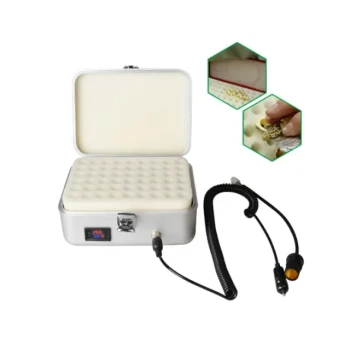
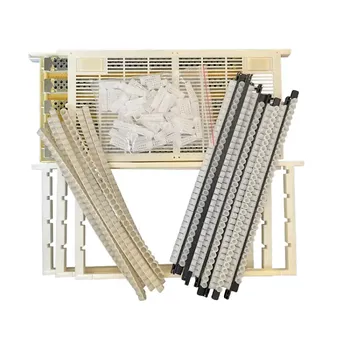
Artificial insemination is only one stage of a breeding program. Commercial operations also require grafting tools, queen cell frames, incubators or suitable cell-handling equipment, mating nuclei, marking supplies, and systems for introducing and evaluating queens.
This is why distributors and wholesalers should treat instrumental insemination equipment as part of a full queen-breeding portfolio, not as an isolated product category. Customers often need a coordinated supply of rearing, insemination, colony-management, and replacement-queen products.
Records connect equipment to genetic management
Controlled breeding is valuable only when parentage and performance are documented. Apiaries should record queen identity, drone source, insemination details, emergence and acceptance results, colony performance, and replacement history.
These records allow breeders to identify which crosses produce commercially useful colonies. They also help prevent accidental line mixing and make it easier to maintain consistent genetic products across multiple production cycles.
How Commercial Apiaries Benefit
More consistent queen supply
Natural mating can be disrupted by poor weather, unsuitable drone populations, seasonal conditions, or geographic isolation. Instrumental insemination provides an alternative method for producing queens when open mating is unreliable or when a specific genetic cross is required.
It should not be described as completely independent of seasonal biology, because queen rearing, semen collection, queen development, and colony evaluation still depend on proper timing and management. However, it can reduce the genetic uncertainty associated with uncontrolled mating.
Better control of economically important traits
Commercial breeders may select for traits including:
- Honey production and foraging performance
- Gentle, manageable colony behavior
- Brood viability and colony strength
- Resistance or tolerance to important pests and diseases
- Overwintering performance
- Swarming tendency and population stability
Artificial insemination helps connect these breeding objectives to known parentage. The resulting traits still require validation under practical apiary conditions before they can be considered reliable commercial characteristics.
Improved line purity and traceability
Open-mated queens can receive sperm from drones originating from multiple surrounding colonies. That makes it difficult to maintain a pure or clearly defined breeding line in areas with uncontrolled drone populations.
By selecting drone sources and documenting insemination, breeders can better preserve line identity. This is particularly important for research programs, nucleus-stock production, regional adaptation studies, and premium queen markets.
More strategic colony replacement
Replacing weak, poorly performing, or highly defensive queens with queens from selected stock can support more uniform apiary performance. Artificial insemination contributes by helping breeders produce replacement queens that are linked to defined selection criteria.
The equipment therefore supports both genetic improvement and operational consistency. It is most effective when paired with regular colony performance reviews rather than used simply to increase queen numbers.
What Distributors and Resellers Should Provide
A complete product ecosystem
B2B customers typically need more than an insemination device. A practical product portfolio may include:
- Instrumental insemination units and replacement parts
- Queen holders, syringes, capillaries, and magnification systems
- Grafting needles and queen cell frames
- Queen incubators and handling equipment
- Mating nuclei and queen introduction supplies
- Sterilization and maintenance accessories
- Marking, recording, and queen transport products
A one-stop sourcing model reduces procurement complexity and helps apiaries ensure that related components are compatible.
Technical guidance and after-sales support
Instrumental insemination requires operator training and careful handling. Customers benefit from product specifications, setup guidance, replacement-part availability, troubleshooting, and responsive technical communication.
For distributors, service reliability is part of the product value. Rapid quotations, accurate order fulfillment, professional product matching, and fast delivery are especially important when breeding schedules are tied to queen development and seasonal colony management.
Consistent quality and supply continuity
Breeding programs depend on repeatable results over multiple generations. Unreliable components, inconsistent consumables, or delayed replacement parts can interrupt production and compromise carefully planned breeding cycles.
Suppliers should therefore evaluate not only unit price, but also manufacturing consistency, compatibility across the product range, lead times, packaging, and long-term availability.
Understanding the Trade-offs
It requires specialized skill
Artificial insemination is not a plug-and-play process. Operators must understand queen anatomy, semen handling, equipment use, sanitation, queen care, and post-insemination management.
Poor technique can reduce queen quality or produce inconsistent outcomes. Equipment suppliers should avoid presenting the technology as a substitute for training and breeding expertise.
It increases control but also increases responsibility
Controlled mating makes it easier to fix desirable traits, but selecting too narrowly can reduce genetic diversity. Breeding programs must manage relatedness and maintain sufficient diversity to reduce the risk of inbreeding and loss of colony resilience.
The appropriate strategy depends on the breeding objective. Line maintenance, hybrid development, and regional adaptation require different parent-selection and record-keeping approaches.
It does not guarantee superior colonies
Artificial insemination controls parentage; it does not automatically create high-performing bees. Colony nutrition, disease management, environment, queen acceptance, worker genetics, and field conditions all influence commercial results.
Claims about productivity or disease resistance should therefore be supported by multi-generation testing and real apiary data. Equipment should be positioned as an enabler of genetic programs, not as a guarantee of a particular biological outcome.
The investment may not suit every operation
Small apiaries focused on routine honey production may not need their own insemination laboratory. They may obtain greater value by purchasing selected queens from a specialist breeder.
Larger commercial apiaries, research programs, queen producers, and organizations requiring traceable lines are more likely to justify the equipment, training, and ongoing maintenance.
Making the Right Choice for Your Goal
The best equipment strategy depends on whether the customer is producing queens, managing colonies, or supplying professional breeders.
- If your primary focus is genetic control: Choose a complete instrumental insemination system with precision handling, magnification, compatible consumables, and technical training support.
- If your primary focus is mass queen production: Combine insemination equipment with grafting tools, queen cell frames, incubators, mating nuclei, and queen introduction supplies.
- If your primary focus is line purity and traceability: Prioritize reliable parentage records, identified drone sources, labeling systems, and equipment that supports repeatable procedures.
- If your primary focus is distributor growth: Build a full-spectrum queen-breeding portfolio supported by rapid response, dependable fulfillment, replacement parts, and professional product guidance.
- If your primary focus is practical honey production: Consider sourcing proven instrumentally inseminated queens from specialist breeders instead of operating a complete insemination program in-house.
When matched with skilled operators, disciplined records, and field-based selection, artificial insemination equipment turns queen breeding from largely uncontrolled mating into a more precise and commercially manageable genetic program.
Summary Table:
| Benefit | Description |
|---|---|
| Genetic Control | Precise selection of drone semen ensures traceable parentage. |
| Accelerated Selection | Faster trait improvement (productivity, disease resistance). |
| Line Purity | Maintains defined breeding lines, reduces genetic uncertainty. |
| Reliable Supply | Reduces dependence on open mating conditions. |
| Strategic Replacement | Supports consistent colony performance with documented queens. |
| Data-Driven Decisions | Enables record-keeping for continuous genetic program improvement. |
Looking to elevate your queen breeding program with precision genetics and reliable supply? HONESTBEE offers a comprehensive range of artificial insemination equipment and queen-rearing supplies tailored for commercial apiaries and distributors. Our one-stop sourcing, rapid response, and expert support help you achieve consistent, high-quality queens. Contact us today to discuss your needs and get a customized quote! Get in touch.
Related Products
- Queen Bee Artificial Insemination Instrument Equipment for Instrumental Insemination
- Retractable Chinese Queen Rearing Grafting Tools Equipment
- Portable Bee Mating Hive Boxes Mini Mating Nucs 8 Frames for Queen Rearing
- Portable Queen Bee Incubator with 12V Car Adapter for Safe Transport
- Professional Queen Catcher and Introduction Queen Cage
People Also Ask
- Why is maintaining sanitary conditions important during artificial insemination? Protect Your Queen from Fatal Infections
- Why are artificial insemination instruments critical in bee hybridization? Master Genetic Control & Pure Breeding
- What is the core value of bee artificial insemination instruments in breed improvement? Achieve Precise Genetic Control
- Why is professional bee artificial insemination equipment considered a core tool for genetic control in honeybee breeding? Ensure 100% Purity
- Why is high-purity CO2 used for queen bee artificial insemination? Unlock Precision Breeding & Faster Egg-Laying