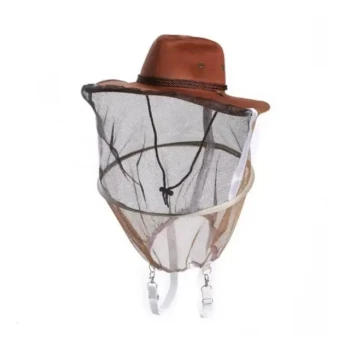
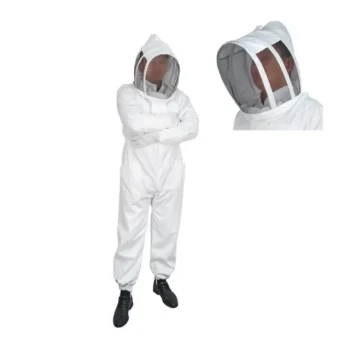
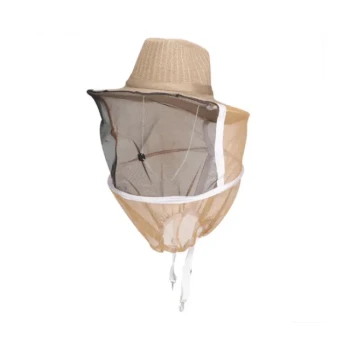
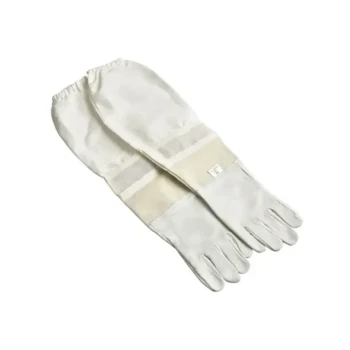
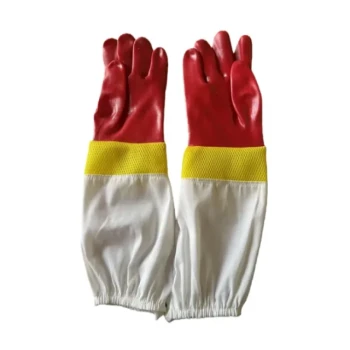
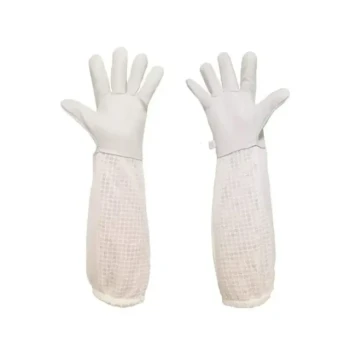
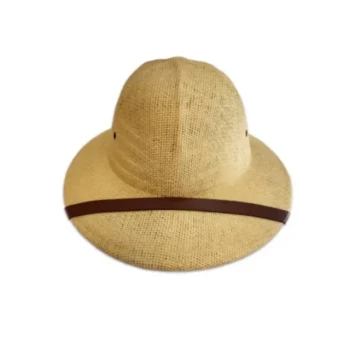
Protective gear serves as the foundational enabler of precision breeding by creating a secure barrier between the technician and the colony. It allows breeding personnel to perform high-stakes evaluations and delicate manual tasks—such as larvae grafting—without the distraction or physical threat of defensive bee behavior.
The true value of protective gear in queen selection lies in the elimination of distraction. By neutralizing the physical threat of stinging, breeders can maintain the steady hands and objective focus required to accurately assess colony temperament and execute precise genetic transfer techniques.
The Role of Safety in Data Accuracy
Removing Distraction from Evaluation
The queen selection process relies heavily on the collection of accurate data regarding a colony's traits.
Without protective gear, the breeder's focus inevitably shifts from observation to self-preservation.
Protective equipment allows the technician to remain calm and stationary, ensuring that observations regarding the hive's behavior are not skewed by human anxiety or sudden movements.
Assessing Colony Docility
One of the primary traits selected for in queen breeding is "docility" or gentleness.
To test this, a breeder must interact with the hive to trigger a defensive response and measure its intensity.
Protective gear enables the breeder to withstand these test conditions safely, providing an objective score of the colony's aggression levels without retreating.
Facilitating High-Precision Manual Tasks
The Demands of Larvae Grafting
Queen rearing often involves "grafting," the transfer of microscopic larvae into queen cups.
This process requires extreme dexterity and a steady hand.
Protective gear ensures the technician can perform this delicate operation in a secure environment, free from the involuntary flinching caused by flying bees or potential stings.
Secure Handling for Identification
Once a queen is selected, she must be identified and tracked.
As noted in standard protocols, specific handling gear like queen marking tubes or cages are essential for this phase.
These tools safely immobilize the queen, allowing the breeder to apply a specific color code with a marking pen without risking physical injury to the queen or losing her during the process.
Understanding the Trade-offs
The Loss of Tactile Sensitivity
While thick protective gloves offer maximum safety, they severely reduce tactile feedback.
In the context of queen selection, this lack of sensitivity can lead to the accidental crushing of bees or even the queen herself.
The Risk of Complacency
Heavy protective gear can sometimes create a false sense of security.
Technicians may handle hives more roughly because they cannot feel the bees reacting, which can inadvertently agitate the colony and skew temperament assessments.
Optimizing Your Gear Strategy for Breeding
To ensure your selection process is both safe and scientifically accurate, match your equipment to the specific task at hand.
- If your primary focus is Colony Assessment: Prioritize full-body protection to allow you to stand your ground and objectively score aggression levels during hive inspections.
- If your primary focus is Grafting or Marking: Transition to specialized handling tools (like marking cages) and thinner hand protection to maximize dexterity and prevent injury to the queen.
Precision in queen breeding requires a balance where safety gear empowers the technician without inhibiting the delicacy of the work.
Summary Table:
| Breeding Phase | Role of Protective Gear | Key Benefit |
|---|---|---|
| Colony Evaluation | Provides a physical safety barrier | Enables objective scoring of colony docility and temperament without distraction. |
| Larvae Grafting | Eliminates risk of stinging/flinching | Ensures the steady hands and dexterity required for transferring microscopic larvae. |
| Queen Marking | Facilitates secure immobilization | Protects both the technician and the queen during identification and color-coding. |
| Data Collection | Neutralizes self-preservation instincts | Allows for calm, stationary observation to ensure scientific accuracy in genetic selection. |
Elevate Your Breeding Operations with HONESTBEE
Precision queen breeding demands the perfect balance of safety and dexterity. At HONESTBEE, we specialize in supporting commercial apiaries and distributors with a comprehensive range of high-quality beekeeping tools. From professional-grade protective suits that allow for objective temperament assessments to specialized queen-rearing equipment and machinery, we provide the hardware you need to succeed.
Whether you are scaling your honey production or supplying the industry with essential consumables, our portfolio—including hive-making machines and honey-themed merchandise—is designed for professional excellence. Contact us today to explore our wholesale opportunities and specialized tools!
References
- Cooper Schouten. Strengthening Beekeeping Value Chains Through Queen Bee Breeding: A Case Study of Fiji. DOI: 10.1155/aia/8709217
This article is also based on technical information from HonestBee Knowledge Base .
Related Products
- Premium Cowboy Beekeeper Hat with Visibility Veil Outdoor Professional Beekeeping Protective Gear
- Premium Cotton Beekeeper Suit with Reinforced Fencing Veil
- Beekeeper Cowboy Hat and Veil for Beekeeping
- Beekeeping Jacket with Hood and Veil for Beekeepers
- White Cotton Beekeeping Jacket and Veil for Bee Keepers
People Also Ask
- What design features contribute to the stability and fit of the beekeeper hat? Key Features for Maximum Hive Safety
- How is the beekeeper hat designed for comfort and practicality? Explore Key Features for Enhanced Apiary Safety
- What is the general protective gear recommendation for new beekeepers? Your Essential Beginner's Safety Guide
- What should beekeepers consider when choosing protective gear? A Guide for Maximum Safety & Comfort
- What factors influence the choice of protective equipment used during honey harvesting? Essential Selection Guide