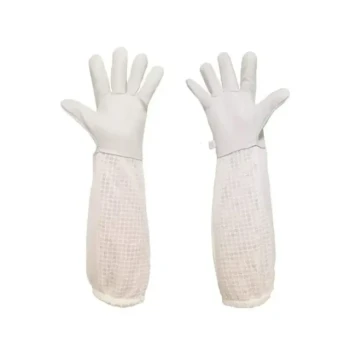
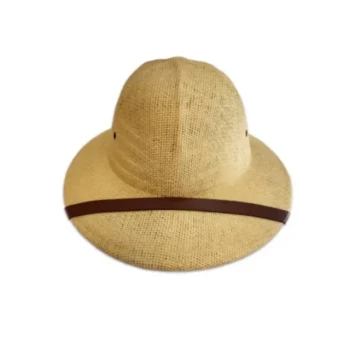
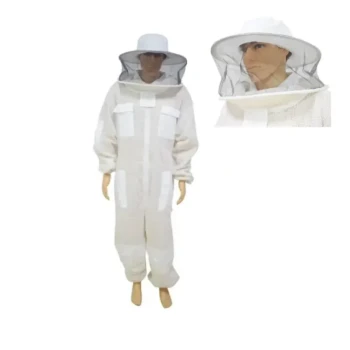
For new beekeepers, the recommendation is unequivocal: prioritize maximum protection over all else. You should fully suit up with a complete beekeeping suit, a secure veil, and protective gloves. While this gear may limit your dexterity and comfort, the primary reference emphasizes that shielding yourself against potential hive attacks is the critical priority for a novice.
Core Takeaway Until you understand your personal tolerance to bee venom and can proficiently read hive behavior, a full protective ensemble is non-negotiable. It provides the necessary psychological and physical buffer to learn safely without the distraction of fear.
The Components of a Secure Defense
The Full Body Suit
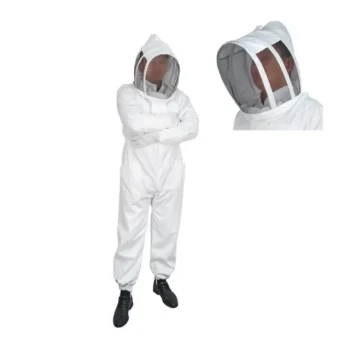
For a beginner, a full-body suit is highly recommended over a simple jacket and veil combination. This ensures your torso, arms, and legs are completely covered.
While standard cotton suits are budget-friendly, they can be hot. If your budget allows, a ventilated suit is a superior investment. These suits use layers of mesh that allow airflow while keeping the holes too small for stingers to penetrate, significantly improving comfort during summer inspections.
Protecting Critical Zones: Head and Hands
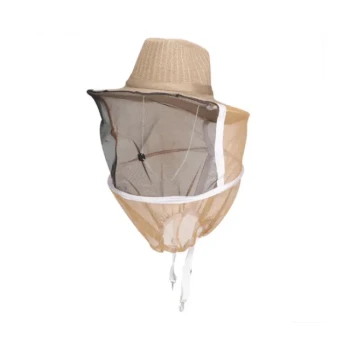
The veil is the most vital piece of equipment, protecting your face, eyes, and neck from stings that can be both dangerous and disorienting. It is often attached to a hat or helmet.
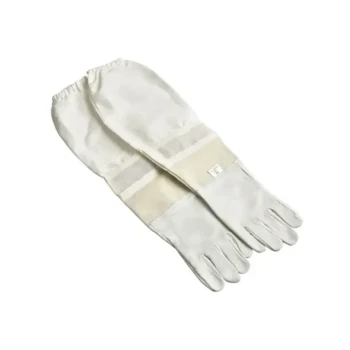
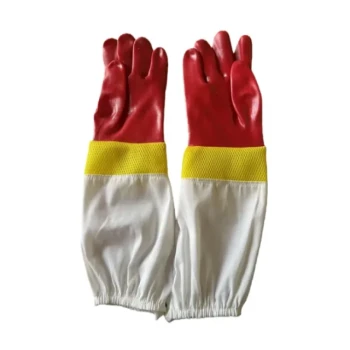
For your hands, beginners should utilize canvas or leather gloves. These materials are thick enough to prevent most stings. While you may eventually transition to thinner options, thick gloves provide the confidence needed to handle frames without flinching during your initial training.
Anchoring the Defense: Footwear
Ankles are a common target for bees, which tend to crawl upward. You should wear high rain boots or sturdy work boots.
Crucially, you must ensure there is no exposed skin between the bottom of your pant leg and your boot. Many beekeepers use boot bands or tuck their pants into their boots to create a perfect seal.
The Role of Gear in the Learning Process
Managing Unknown Variables
Honey bees deliver apitoxin (venom) when they sting. As a beginner, you may not yet know your specific physiological reaction to this venom, which can range from mild irritation to a dangerous systemic response.
Wearing full gear minimizes your total venom exposure while you determine your susceptibility and build up a tolerance.
Reducing Anxiety to Improve Technique
Bees react poorly to nervous, jerky movements. If you are afraid of being stung, you are more likely to move erratically, which agitates the colony.
Full armor acts as a psychological safety net. It allows you to remain calm, move deliberately, and focus on the mechanics of the hive inspection rather than the threat of pain.
Understanding the Trade-offs
Dexterity vs. Protection
There is a direct conflict between safety and tactile feedback. The primary reference notes that wearing heavy gloves sacrifices dexterity.
Thick gloves make it difficult to feel where your fingers are, increasing the risk of accidentally crushing bees. Crushed bees release alarm pheromones, which can agitate the rest of the hive. However, for a beginner, this is an acceptable compromise to prevent stings.
Heat vs. Safety
Full suits, especially non-ventilated versions, trap body heat. Beekeeping is often performed in direct sunlight during the hottest parts of the day.
While the suit protects you from insects, it exposes you to the risk of heat exhaustion. New beekeepers must be mindful of hydration and take breaks, accepting that being hot is safer than being stung during the learning phase.
Making the Right Choice for Your Goal
- If your primary focus is maximum safety and confidence: Start with a full-body suit, leather gloves, and high boots to eliminate the fear of stings while you learn.
- If your primary focus is managing heat in hot climates: Invest in a ventilated full suit, which offers the same protection as standard canvas but allows for critical airflow.
- If your primary focus is improving manual dexterity: Once you are proficient, transition from leather gloves to form-fitting nitrile or latex gloves to improve your touch sensitivity while maintaining a hygiene barrier.
Start with maximum protection to ensure a positive learning experience, and only reduce your gear layers as your skill and confidence grow.
Summary Table:
| Gear Category | Recommended Type | Key Benefit for Beginners |
|---|---|---|
| Body Protection | Full-body Suit (Ventilated) | Complete coverage with airflow to prevent heat exhaustion |
| Head & Neck | Secure Veil & Hat | Protects face and eyes; prevents disorientation from stings |
| Hand Protection | Leather or Canvas Gloves | Provides a thick barrier to build confidence during handling |
| Footwear | Sturdy Boots with Boot Bands | Prevents bees from crawling up legs; eliminates skin exposure |
| Psychological | Full Ensemble | Reduces anxiety, allowing for calm and deliberate movements |
Secure Your Apiary Success with HONESTBEE
Transitioning from a novice to a professional beekeeper requires more than just knowledge—it requires the right tools. At HONESTBEE, we specialize in supporting commercial apiaries and distributors with a comprehensive range of high-quality beekeeping assets.
Whether you are looking for ventilated protective gear, precision honey-filling machines, or durable hive-making equipment, our wholesale offerings are designed to scale your operations efficiently. We provide everything from essential industry consumables to unique honey-themed cultural merchandise to help your brand stand out.
Ready to elevate your beekeeping business? Contact HONESTBEE Today to discuss our volume discounts and full-spectrum equipment solutions.
Related Products
- Premium Cowboy Beekeeper Hat with Visibility Veil Outdoor Professional Beekeeping Protective Gear
- White Cotton Beekeeping Jacket and Veil for Bee Keepers
- Premium Cotton Beekeeper Suit with Reinforced Fencing Veil
- Beekeeping Jacket with Hood and Veil for Beekeepers
- Beekeeping Gloves Goatskin Leather with Long Cotton Sleeve for Beekeepers
People Also Ask
- What design features contribute to the stability and fit of the beekeeper hat? Key Features for Maximum Hive Safety
- How is the beekeeper hat designed for comfort and practicality? Explore Key Features for Enhanced Apiary Safety
- How does beekeeping protective gear facilitate the queen bee selection process? Enhancing Precision in Queen Breeding
- What should beekeepers consider when choosing protective gear? A Guide for Maximum Safety & Comfort
- What factors influence the choice of protective equipment used during honey harvesting? Essential Selection Guide