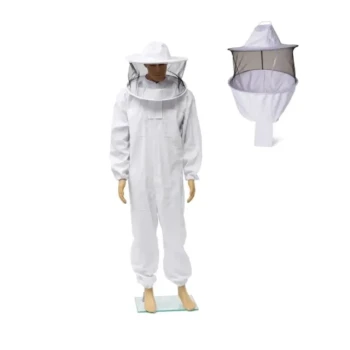
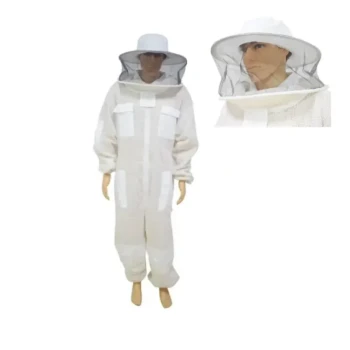
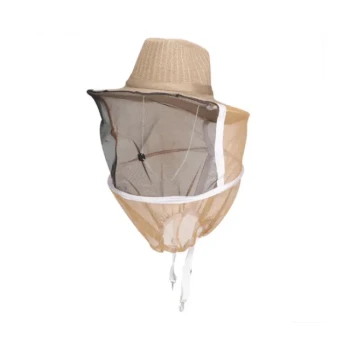
Climate dictates your gear strategy. The local weather conditions are the primary driver for selecting a beekeeping suit because the suit acts as a micro-environment for your body. In hot regions, you must prioritize ventilation and lightweight materials to avoid heat exhaustion, while cooler climates demand thicker, insulated fabrics to retain necessary body warmth.
Selecting the right suit is a balance between sting protection and thermoregulation. Your choice should effectively prevent overheating in the summer while ensuring you remain warm enough during cooler inspections.
Optimizing for Hot Climates
In regions with high temperatures, the danger of beekeeping is often not just the bees, but the heat itself.
Preventing Overheating
A full-body suit traps body heat naturally. In hot climates, this can lead to heat stress or exhaustion rapidly.
Prioritizing Ventilation
To counter this, suits designed for hot weather utilize ventilated materials. These porous fabrics allow air to pass through to the skin, facilitating sweat evaporation and cooling.
The Importance of Weight
Lightweight suits are recommended for these environments. Reducing the physical burden of the gear helps maintain your energy levels while working in direct sunlight.
Optimizing for Cool Climates
When beekeeping in cooler regions, the objective shifts from heat dissipation to heat retention.
Leveraging Thickness for Warmth
Thick fabrics serve a dual purpose in cold weather. They provide a robust barrier against stings, but more importantly, they offer thermal insulation.
Retaining Body Heat
Thicker suits help trap body warmth. Keeping your muscles warm is essential for maintaining the dexterity needed to handle frames gently and precisely.
Understanding the Trade-offs
Every suit choice involves a compromise between comfort, protection, and mobility.
Ventilation vs. Complexity
Suits made for hot climates often use multi-layered mesh to allow airflow while blocking stings. These ventilated designs are typically more complex and expensive than standard solid fabrics.
Thickness vs. Mobility
While thick suits are excellent for warmth in cool climates, they can be bulky. The added weight and stiffness may slightly reduce your agility compared to lighter options.
Protection vs. Breathability
A suit that offers maximum insulation for cold weather will likely be unbearable in the heat. Conversely, a highly breathable suit offers little protection against the chill of a cold wind.
Making the Right Choice for Your Environment
Your purchase decision should be based on the predominant weather conditions during your active beekeeping season.
- If your primary focus is working in high temperatures: Prioritize a suit made of ventilated, lightweight mesh to maximize airflow and prevent overheating.
- If your primary focus is working in cooler or variable weather: Choose a thicker, heavy-duty suit that provides necessary insulation and warmth.
Select the gear that keeps your body temperature stable so you can focus entirely on the bees.
Summary Table:
| Climate Type | Key Suit Requirements | Primary Benefit | Recommended Materials |
|---|---|---|---|
| Hot & Humid | High Ventilation & Lightweight | Prevents heat exhaustion | Multi-layered mesh / Ventilated fabrics |
| Cool & Cold | Thick Fabric & Insulation | Retains body warmth | Heavy-duty cotton / Padded materials |
| Variable | Breathable with Layers | Versatile protection | Standard heavy-duty canvas with venting |
Elevate Your Beekeeping Operation with HONESTBEE
Choosing the right protective gear is essential for the safety and productivity of your team. At HONESTBEE, we specialize in supporting commercial apiaries and distributors with a comprehensive range of professional-grade beekeeping tools, machinery, and consumables. From ventilated suits designed for tropical climates to heavy-duty equipment and honey-filling machines, our wholesale offerings are tailored to meet the demands of large-scale operations.
Ready to scale your business with industry-leading equipment?
Contact us today to explore our full catalog and wholesale pricing!
Related Products
- Professional Cotton Beekeeper Suit with Round Veil Design for Commercial Apiaries
- Premium Cotton Beekeeper Suit with Reinforced Fencing Veil
- Professional Beekeeper Suit with Square Folding Cotton Veil
- Vented Beekeeping Jacket with Hood and Veil for Beekeepers
- Three-Layer Ventilated Beekeeper Suit with Structured Fencing Veil
People Also Ask
- What material and design specifications are recommended for a high-quality beekeeper suit? Top Gear Selection Guide
- How to Pre-treat Propolis Stains on Beekeeping Suits? Master Advanced Fabric Care and Soil Removal
- Why is it important to keep a beekeeping suit clean? Essential Safety & Maintenance Tips
- Is it generally safe to wash a beekeeping suit in a washing machine? Maintain Your Safety Gear Properly
- What are the primary functional requirements for a beekeeping suit to ensure user safety? Professional Sourcing Guide