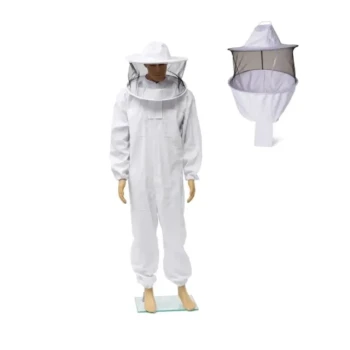
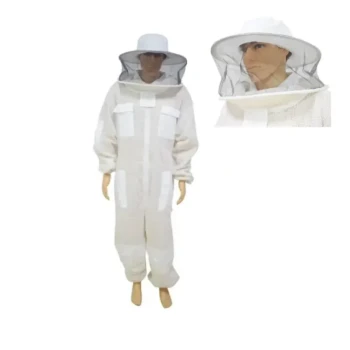
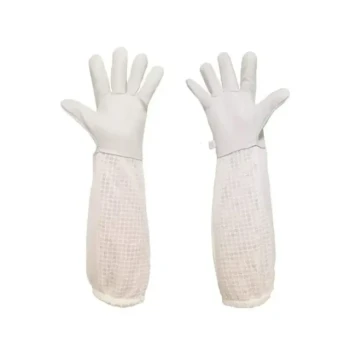
A clean beekeeping suit is a fundamental safety requirement, not merely a hygiene preference. Its primary function is to neutralize the chemical signals that trigger defensive bee behavior. Bees are highly sensitive to the scent of old stings and lingering alarm pheromones, which can provoke them into attacking rather than remaining calm.
The Core Insight A dirty suit acts as a beacon for aggression because it carries the chemical history of previous inspections. By removing alarm pheromones and physical debris, you reset the "threat level" of your presence, ensuring the colony perceives you as a neutral visitor rather than a recurring predator.
The Safety Mechanics of a Clean Suit
Neutralizing Chemical Triggers
The most critical reason to clean your suit is to remove alarm pheromones. When a bee stings or senses danger, it releases these chemicals to signal other bees to attack.
These pheromones can linger on the fabric long after a hive inspection is over. If you wear an unwashed suit, you are effectively walking into the apiary wearing a "target" that marks you as a threat before you even open a hive.
Visibility and Inspection
Cleaning your suit allows for better inspection of the equipment itself. A suit covered in dirt, propolis, or mud creates visual noise that can hide structural weaknesses.
Regular cleaning ensures you can easily spot tears, holes, or compromised seams. Since a beekeeping suit is not foolproof, identifying and repairing these breaches is essential to prevent bees from entering the suit during an inspection.
Equipment Longevity and Function
Preventing Fabric Degradation
Beekeeping is physically demanding work that leads to the accumulation of sweat and honey on the fabric. Over time, these organic materials can degrade the fibers of the suit, reducing its lifespan.
Propolis, a resinous substance collected by bees, is particularly difficult to manage. If left to harden on the suit, it can become stiff and abrasive, potentially damaging the fabric or transferring sticky residue to your personal clothing underneath.
Zipper and fastener maintenance
The most vulnerable points of any bee suit are the zippers and closures. Keeping the suit clean prevents the buildup of grit and sticky residues that can jam or corrode zippers.
Smooth-functioning zippers are a safety issue; a jammed zipper in the apiary can leave you exposed or trapped inside the suit during an emergency.
Understanding the Trade-offs
While keeping a suit clean is vital, incorrect cleaning methods can destroy the equipment faster than the bees will.
The Risk of Over-Washing
Aggressive washing or using harsh chemicals can damage the delicate mesh of the veil. A compromised veil renders the entire suit useless, as the face is the most sensitive target for stings.
Environmental Damage
Drying a suit in direct sunlight might seem efficient, but UV rays are harmful to the synthetic fabrics often used in bee suits. The reference notes that suits should always be dried in the shade to prevent the material from becoming brittle and prone to tearing.
Making the Right Choice for Your Goal
To maintain safety and extend the value of your gear, tailor your maintenance routine to your specific objectives.
- If your primary focus is Maximum Safety: Wash the suit after any session where you received stings or defensive behavior to eliminate alarm pheromones immediately.
- If your primary focus is Equipment Longevity: Wash the suit regularly to remove sweat and propolis, but use mild detergents and hang it to dry in the shade to protect the fabric integrity.
- If your primary focus is Cost Savings: Prioritize inspecting the suit for holes before every use to catch damage early, preventing the need for a premature full replacement.
Treat your bee suit as a piece of safety engineering; keeping it clean is the only way to ensure it functions as designed.
Summary Table:
| Factor | Impact of a Dirty Suit | Benefit of a Clean Suit |
|---|---|---|
| Bee Behavior | Lingering pheromones trigger colony aggression | Resets 'threat level' to keep bees calm |
| Equipment Safety | Debris hides tears, holes, and seam failures | Allows for clear inspection of protective barriers |
| Durability | Sweat and honey degrade fabric fibers over time | Extends lifespan and maintains fabric integrity |
| Functionality | Propolis and grit jam zippers and fasteners | Ensures smooth operation and quick emergency exit |
| UV Protection | Brittle fabric if dried improperly after washing | Safe cleaning preserves synthetic material strength |
Maximize Your Apiary Safety with HONESTBEE
At HONESTBEE, we understand that high-quality protection is the backbone of a successful beekeeping operation. We provide commercial apiaries and distributors with premium, durable beekeeping suits, alongside a full spectrum of professional tools and honey-processing machinery.
Whether you are scaling your honey production with our advanced filling machines or stocking up on essential consumables, our wholesale solutions are designed to enhance your efficiency and safety. Don't let worn or contaminated gear compromise your harvest.
Contact us today to explore our comprehensive wholesale catalog!
Related Products
- Professional Cotton Beekeeper Suit with Round Veil Design for Commercial Apiaries
- Premium Cotton Beekeeper Suit with Reinforced Fencing Veil
- Professional Beekeeper Suit with Square Folding Cotton Veil
- Vented Beekeeping Jacket with Hood and Veil for Beekeepers
- Three-Layer Ventilated Beekeeper Suit with Structured Fencing Veil
People Also Ask
- What material and design specifications are recommended for a high-quality beekeeper suit? Top Gear Selection Guide
- How to Pre-treat Propolis Stains on Beekeeping Suits? Master Advanced Fabric Care and Soil Removal
- Is it generally safe to wash a beekeeping suit in a washing machine? Maintain Your Safety Gear Properly
- What are the primary functional requirements for a beekeeping suit to ensure user safety? Professional Sourcing Guide
- What are the benefits of a high-quality beekeeping suit? Superior Protection, Comfort & Confidence