High-quality pollen functions as the fundamental biological building block for the growth and sustainability of a honeybee colony. It serves as the essential dietary source of proteins, lipids, and minerals required for the development of larvae and the physiological maturation of young bees. Without this raw material, the colony lacks the nutritional components necessary to build tissue and maintain health.
Pollen is the catalyst for colony vitality, serving as the primary ingredient nurse bees require to synthesize royal jelly, which in turn dictates the physical strength, immunity, and lifespan of the hive's population.
The Physiological Role of Pollen
Fueling Larval Growth
Pollen provides the specific macronutrients—proteins and lipids—that nectar cannot supply. These nutrients are critical for the rapid cellular growth of larvae.
Without adequate protein intake during these early stages, developing bees cannot form the necessary physiological structures to survive adulthood.
The Royal Jelly Connection
The most critical function of pollen occurs within the nurse bees. They consume pollen to process nutrients through their own bodies.
This consumption enables them to secrete royal jelly. This secretion is the cornerstone of the colony's caste system and overall vitality.
Impact on Immunity and Longevity
The quality of the pollen directly influences the biological output of the nurse bees.
High-quality inputs result in robust royal jelly, which boosts the immune response and extends the lifespan of the colony members.
The Importance of Nutritional Diversity
Preventing Nutritional Deficiencies
A colony foraging in a single-source environment is at risk of malnutrition. No single plant species typically provides every necessary amino acid or mineral in perfect proportions.
The Role of Diverse Floral Fallows
Access to diverse floral sources ensures a complete nutritional profile. This variety acts as a buffer, preventing the specific deficiencies that can weaken the colony's physical strength over time.
Understanding the Trade-offs of Supplementation
While natural pollen is ideal, beekeepers often use pollen patties to supplement diets. However, this intervention comes with distinct biological and management risks that must be weighed carefully.
The Risk of Premature Stimulation
Feeding pollen patties artificially stimulates the colony to begin rearing brood.
If this is done too early in the season, the colony may produce a population explosion before natural resources are available to support it, leading to starvation or stress.
Attraction of Small Hive Beetles
Pollen substitutes are highly attractive to pests, specifically Small Hive Beetles.
If a large patty is placed in the hive, the bees may not be able to patrol the entire surface area. This creates an unprotected zone where beetles can thrive and reproduce.
Mitigation Strategies
To counter pest risks, supplements should be provided in small amounts that the bees can consume quickly.
Alternatively, flattening the patties minimizes the hiding depth available to beetles, allowing bees to effectively patrol the area and deter infestation.
Strategic Application for Colony Health
To maximize the biological benefits of pollen while minimizing management risks, align your strategy with the colony's immediate environment and developmental stage.
- If your primary focus is long-term physiological resilience: Prioritize the maintenance of diverse floral fallows to ensure a complete nutritional profile and prevent deficiencies associated with monocultures.
- If your primary focus is artificial supplementation: Administer pollen patties in small, flattened portions to prevent Small Hive Beetle infestation and avoid over-stimulating brood production before natural resources are available.
Nutritional inputs define biological outputs; ensure your bees have the resources to build a fortress, not just a population.
Summary Table:
| Nutritional Role | Biological Impact | Key Benefit |
|---|---|---|
| Protein & Lipids | Fuel for Larval Growth | Rapid cellular development and tissue formation |
| Royal Jelly Synthesis | Nurse Bee Secretion | Dictates hive strength, caste systems, and vitality |
| Immune Support | Pathogen Resistance | Extends the lifespan and resilience of the colony |
| Floral Diversity | Balanced Amino Acids | Prevents nutritional deficiencies and monoculture stress |
| Pollen Supplements | Artificial Stimulation | Boosts brood rearing during periods of natural scarcity |
Maximize Your Colony Vitality with HONESTBEE
At HONESTBEE, we understand that high-quality biological consumables are the foundation of any successful commercial apiary. As a premier partner for distributors and commercial beekeeping operations, we supply the full spectrum of professional tools and machinery—from advanced honey-filling machines to essential hive-making hardware.
Our comprehensive wholesale offering ensures your customers have access to the high-performance equipment and industry consumables needed to maintain healthy, productive honeybee populations. Whether you are scaling up production or stocking your distribution center, our expert-grade portfolio is designed to deliver reliability and value.
Ready to elevate your beekeeping business?
Contact Us Today to Explore Wholesale Solutions
References
- Axel Decourtye, Pascal Thiébeau. Introduction de jachères florales en zones de grandes cultures : atouts pour agriculteurs et apiculteurs. DOI: 10.1684/agr.2007.0099
This article is also based on technical information from HonestBee Knowledge Base .
Related Products
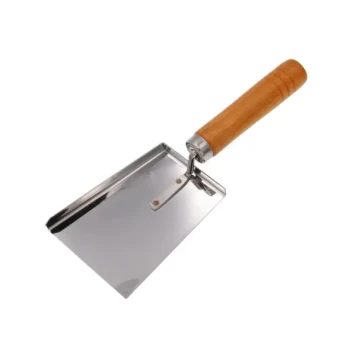
- Stainless Steel Pollen Shovel with Wooden Handle
- Removable Plastic Pollen Trap With Ventilated Tray for Bees Pollen Collector
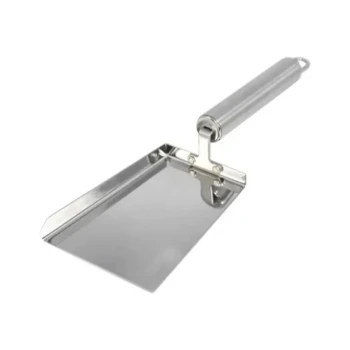
- Heavy-Duty Ergonomic Stainless Steel Pollen Shovel
- Plastic Bee Pollen Trap Strips Comb Catcher Collector
- Heavy-Duty Ergonomic Grip Galvanized Pollen Shovel
People Also Ask
- How do bee pollen collection tools affect the quality of bee pollen used in functional dairy ice cream production?
- Why should commercial apiaries focus on the collection of diversified bee products? Maximize Your Hive’s Profit Potential
- How does a specialized pollen collector facilitate the harvesting of diverse bee products? Automate High-Value Yields
- What is the impact of pollen collectors and associated equipment on the cost structure of pollen production? Maximize ROI
- What is the technical significance of using specialized cutting tools for propolis? Master Precision Pollen Harvesting