Monitoring environmental data allows beekeepers to align equipment with natural bee behavior. By analyzing local temperature and humidity patterns, you can predict where colonies will prioritize propolis deposition. This ensures you select equipment, such as top-mounted screens, that targets the specific areas of the hive where bees are biologically driven to work during cooler conditions.
Honeybees instinctively seal the top of the hive in cooler environments to prevent heat loss. Consequently, environmental monitoring guides you to invest in top-mounted equipment for these regions, ensuring your hardware aligns with the colony's survival instincts for maximum harvest efficiency.
The Biological Connection Between Climate and Collection
The Heat Conservation Instinct
Honeybee behavior is strictly governed by the need to maintain internal hive stability. In regions or seasons with lower temperatures, the colony's primary focus shifts to thermal conservation.
Targeted Propolis Deposition
To prevent heat from escaping, bees prioritize sealing the upper portions of the hive structure. They instinctively fill gaps at the top to create a thermal barrier against the cold environment.
Optimizing Equipment Selection
Prioritizing Top-Mounted Screens
Data indicating lower temperatures suggests that top-mounted propolis collection screens will be the most effective choice. Since bees are already focused on sealing the hive roof, these devices capture the material exactly where the bees intend to place it.
Avoiding Misaligned Investments
In cooler climates, investing in side-mounted devices may result in poor returns on investment. If the environmental data shows consistent low temperatures, side-mounted equipment may be ignored by bees in favor of sealing the top, leading to lower harvest volumes.
Understanding the Trade-offs
Seasonal Variability
It is critical to remember that environmental conditions are rarely static. A region may have cold winters requiring top-mounted screens, but warmer seasons might alter bee behavior, potentially rendering that specific equipment less dominant later in the year.
The Limits of Hardware
While matching equipment to temperature is efficient, it does not guarantee harvest success if the colony is weak or forage is scarce. Equipment selection optimizes the opportunity for collection but relies on the underlying health of the colony to perform the work.
Making the Right Choice for Your Goal
To maximize your propolis production, analyze your environmental logs and apply the following strategies:
- If your primary focus is maximizing yield in cool climates: Deploy top-mounted collection screens, as bees will naturally prioritize filling these to insulate the hive.
- If your primary focus is cost-efficiency: Avoid purchasing side-mounted devices for regions with low average temperatures, as the harvest volume will likely not justify the equipment expense.
By using environmental data to anticipate bee behavior, you turn biological instinct into a production asset.
Summary Table:
| Environmental Condition | Primary Bee Behavior | Recommended Equipment | Efficiency Rating |
|---|---|---|---|
| Low Temperatures | Heat conservation & top sealing | Top-mounted screens | High |
| High Humidity | Moisture barrier construction | Specialized mesh screens | Moderate |
| Warm/Stable Climate | General hive maintenance | Side-mounted/universal collectors | Variable |
| Fluctuating Climate | Seasonal behavioral shifts | Multi-placement modular kits | High |
Scale Your Propolis Production with HONESTBEE
At HONESTBEE, we empower commercial apiaries and global distributors with the professional tools needed to turn biological insights into high-yield results. Whether you require high-efficiency top-mounted screens for cool climates or automated honey-filling and hive-making machinery, our comprehensive wholesale portfolio has you covered.
Our Value to You:
- Full Spectrum Supply: From essential industry consumables to specialized beekeeping hardware.
- Commercial Grade Quality: Equipment designed to withstand the rigors of professional honey and propolis production.
- Global Distribution Support: Tailored solutions for distributors looking to stock the latest in beekeeping technology.
Ready to optimize your harvest and enhance your commercial operations? Contact our expert team today to explore our wholesale equipment and cultural merchandise.
References
- Antonios E. Tsagkarakis, Georgios N. Balotis. Comparison of Traps Collecting Propolis by Honey Bees. DOI: 10.4236/ae.2017.52006
This article is also based on technical information from HonestBee Knowledge Base .
Related Products
- 8 Frame and 10 Frame Propolis Trap Collector Screen for Propolis Collection
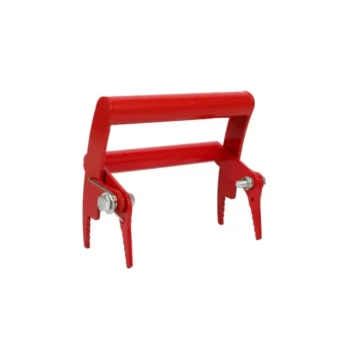
- Heavy-Duty Plier Action Frame Grip
- Heavy Duty Stainless Steel Frame Cleaner with Plastic Handle
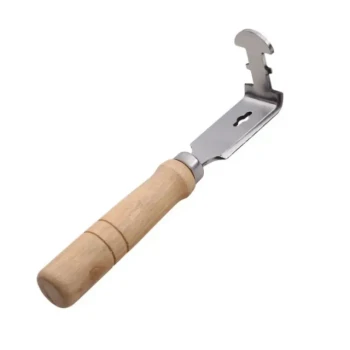
- Professional Stainless Steel Frame Cleaner with Ergonomic Wood Handle
- Full Set Beekeeping Electronic Bee Venom Collector Machine Device for Bee Venom Collecting
People Also Ask
- Why is a specific wooden frame required when installing a propolis screen? Optimize Your Propolis Harvest Efficiency
- What are the advantages of using propolis collector screens? Elevate Your Harvest to Pharmaceutical Purity
- How do propolis collection screens work? Discover material specs for commercial harvesting equipment
- How does the mesh size of a propolis collection screen influence the efficiency of propolis harvesting? Optimize Yields!
- How do commercial-grade plastic screens compare to custom fine-mesh screens? Maximize Your Propolis Yield & ROI