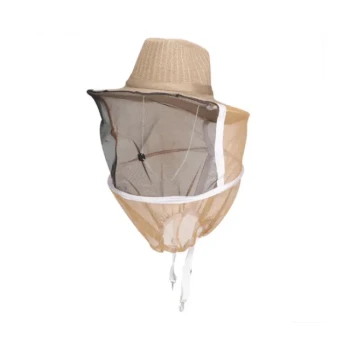
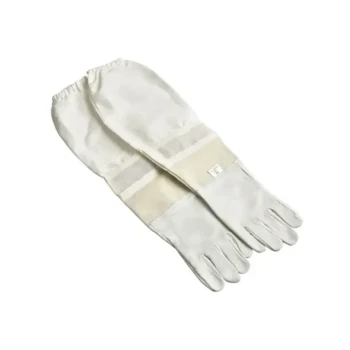
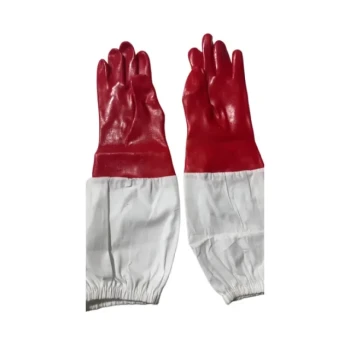
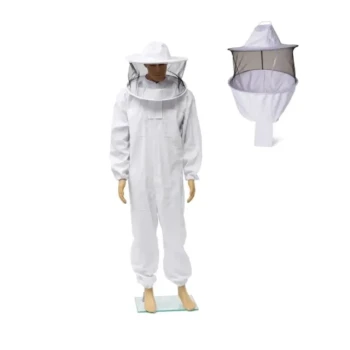
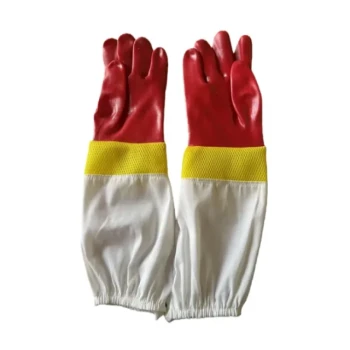
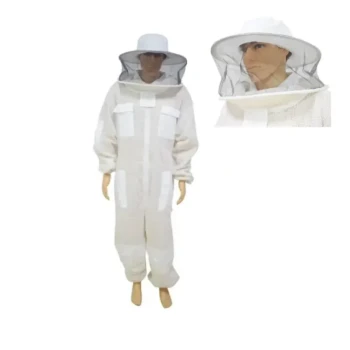
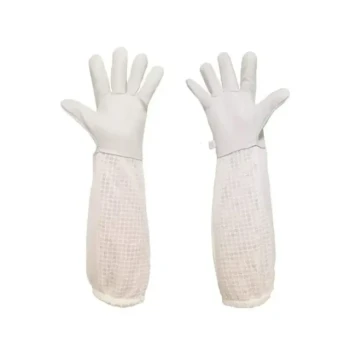
Standardized protective clothing functions as a fundamental tool for data integrity by effectively neutralizing the physical threat of defensive honey bee subspecies. By eliminating the risk of stings, this equipment allows researchers to maintain close-range proximity to the hive entrance for extended periods, ensuring that observations are continuous and free from the distractions caused by fear or injury.
The accuracy of apiary research relies heavily on the observer's ability to remain focused and stationary. Protective gear removes the variable of human vulnerability, allowing technicians to record precise biological data without physical interference or interruption.
The Mechanism of Accuracy
Standardized clothing does not just protect the body; it preserves the quality of the research environment.
Eliminating Observer Distraction
When working with defensive bee colonies, the risk of injury is a significant distraction.
Without adequate protection, a researcher’s attention inevitably shifts from the data to self-preservation.
Protective clothing removes this psychological and physical burden, allowing the technician to focus exclusively on recording bee activity.
Facilitating Close-Range Monitoring
Accurate data collection often requires observing the hive entrance from a very short distance.
This proximity triggers defensive behaviors in many subspecies.
Standardized gear acts as a barrier, enabling the researcher to stand their ground during these critical close-range observations without retreating.
Enabling Continuous Observation
Long-term studies require sustained presence at the apiary site.
Interruptions caused by stings or the need to flee defensive swarms result in gaps in the data.
By ensuring user safety, protective clothing allows for unbroken timelines of observation, resulting in a more complete and statistically valid dataset.
Understanding the Trade-offs
While protective clothing is essential for safety, it is important to understand its role in the wider research context.
The Limits of Passive Protection
Protective clothing shields the researcher, but it does not calm the bees.
While the gear allows you to ignore stings, it does not stop the colony from entering a defensive state.
Researchers must still account for the fact that their presence, even when protected, may influence colony behavior, though the gear minimizes the physical interference of a flinching or retreating observer.
Making the Right Choice for Your Research
To maximize data accuracy, view your protective equipment as a distinct component of your research methodology.
- If your primary focus is behavioral studies on defensive subspecies: Rely on standardized gear to maintain a neutral, non-reactive presence at the hive entrance.
- If your primary focus is long-term population monitoring: Use high-quality protection to prevent observer fatigue and injury-related interruptions during extended data collection sessions.
Standardized protection transforms safety into a controlled variable, ensuring that the data reflects the reality of the colony rather than the vulnerability of the observer.
Summary Table:
| Feature | Impact on Research Accuracy | Benefit to Data Quality |
|---|---|---|
| Physical Shielding | Eliminates fear-based distractions and flinching | Ensures precise recording of bee activity |
| Sting Prevention | Allows for sustained, close-range proximity | Facilitates detailed observation of hive entrances |
| Safety Standardization | Prevents research interruptions due to injury | Results in continuous, statistically valid datasets |
| Tactical Neutrality | Maintains a non-reactive human presence | Minimizes observer-induced behavioral variables |
Elevate Your Apiary Research with HONESTBEE Professional Gear
Precision in bee research starts with the safety and focus of your team. At HONESTBEE, we specialize in supporting commercial apiaries and distributors with premium-grade beekeeping tools and protective equipment designed for rigorous field use. Whether you are conducting long-term colony monitoring or managing large-scale commercial hives, our comprehensive wholesale portfolio—ranging from heavy-duty protective clothing to advanced hive-making and honey-filling machinery—ensures your operation runs smoothly and safely.
Maximize your research integrity and operational efficiency today. Our team is ready to provide the specialized hardware and consumables your business needs to thrive.
Contact HONESTBEE for Wholesale Solutions
References
- Matala I. Ghilain, Constantin Lubini. Spécificité Du Butinage De La Flore Mellifère Par Apis Mellifera Adansonii (Hymenoptera: Apidae) Pour Une Apiculture Durable Dans Les Territoires De Madimba Et De Mbanza-Ngungu (Kongo Central, République Démocratique Du Congo). DOI: 10.52155/ijpsat.v41.2.5718
This article is also based on technical information from HonestBee Knowledge Base .
Related Products
- Premium Cotton Beekeeper Suit with Reinforced Fencing Veil
- White Cotton Beekeeping Jacket and Veil for Bee Keepers
- Beekeeping Jacket with Hood and Veil for Beekeepers
- Beekeeper Cowboy Hat and Veil for Beekeeping
- Premium Cowboy Beekeeper Hat with Visibility Veil Outdoor Professional Beekeeping Protective Gear
People Also Ask
- What material and design specifications are recommended for a high-quality beekeeper suit? Top Gear Selection Guide
- How to Pre-treat Propolis Stains on Beekeeping Suits? Master Advanced Fabric Care and Soil Removal
- What features should be considered for sting protection in a beekeeping suit? Ensure Total Safety and Comfort
- What are the differences between full suits and jackets with veils in beekeeping? Choose Your Best Protection
- What features should be looked for in a beekeeping suit for maximum comfort? Prioritize Ventilation and Fit