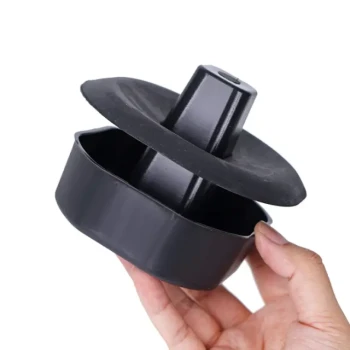
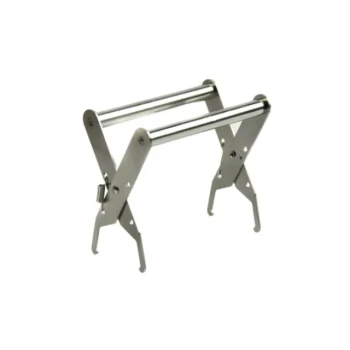
Applying grease or oil to beehive stands creates a formidable mechanical barrier that leverages physical viscosity to stop crawling pests. This layer of high-viscosity material prevents ants, termites, and other terrestrial predators from scaling the stand's legs, effectively isolating the colony from external threats. By blocking access to the queen, larvae, and honey stores, this method ensures the long-term stability and productivity of the apiary.
Core Takeaway: Grease and oil function as a low-cost, high-impact physical deterrent that exploits the biological limitations of crawling insects. For distributors, offering hive stands designed for these barriers is a key component of a professional, full-spectrum pest management inventory.
The Mechanics of the Physical Barrier
High Viscosity and Entrapment
The primary function of grease or oil is its physical viscosity, which creates a surface that crawling pests cannot navigate. Ants and termites that attempt to cross the barrier either become trapped in the sticky medium or find the surface too slick to gain traction.
Chemical and Sensory Repulsion
Beyond the physical stickiness, many industrial greases and oils possess chemical properties that act as a sensory deterrent. The scent and composition of these substances often signal danger to foraging pests, causing them to abandon their path before even making contact with the stand.
Preventing Colony Absconding
Persistent disturbance from ants is a leading cause of colony absconding, where bees abandon the hive entirely. By maintaining a continuous barrier, beekeepers prevent the "death by a thousand cuts" caused by minor but constant pest pressure, ensuring the bees remain focused on honey production.
The Strategic Role of Hive Stands
Elevation as the First Line of Defense
Elevation is a fundamental principle of modern apiary management. By raising the hive, the stand removes the entrance from the direct reach of ground-dwelling pests and prevents small predators, like skunks and mice, from easily accessing the bottom board.
Integration with Liquid Barriers
Professional-grade hive stands often feature built-in oil or water cups at the base of the support pillars. These cups create a literal moat that pests cannot swim across, providing a secondary layer of protection that complements the application of grease on the pillars themselves.
Protecting Weak and Split Colonies
New or split colonies are particularly vulnerable to terrestrial invasions because they lack the worker numbers to defend every entrance. A well-greased stand provides these vulnerable colonies with an artificial defense system, allowing them to grow without the stress of constant predation.
Understanding the Trade-offs
Maintenance and Environmental Factors
While highly effective, grease barriers are not "set and forget" solutions. Over time, dust, debris, and fallen leaves can stick to the grease, creating "bridges" that allow ants to cross safely.
Reapplication Cycles
High-viscosity oils can dry out or run during periods of extreme heat, requiring regular monitoring and reapplication. Distributors should advise clients that the effectiveness of the barrier is directly tied to the consistency of the material and the cleanliness of the stand legs.
Adding Value to Your Product Portfolio
As a distributor or wholesaler, understanding the technical application of pest barriers allows you to provide expert-level guidance and a more comprehensive product range. Integrating these solutions into your catalog demonstrates deep industry expertise and a commitment to the success of the end-user.
- If your primary focus is rapid order fulfillment: Stocking standardized hive stands with integrated oil cups ensures you can meet the high-volume needs of commercial apiaries with ultra-fast delivery.
- If your primary focus is premium trading services: Offer curated "pest protection kits" that bundle high-quality hive stands with professional-grade lubricants to provide a one-stop sourcing experience.
- If your primary focus is expert consulting: Leverage your knowledge of mechanical barriers to educate B2B clients on how these low-cost additions can significantly reduce colony loss and increase customer satisfaction.
Empowering your clients with the right tools and knowledge transforms a simple hive stand into a critical component of a high-yield beekeeping operation.
Summary Table:
| Feature | Protection Mechanism & Impact |
|---|---|
| Primary Function | Creates a high-viscosity mechanical barrier that traps or repels crawling pests. |
| Target Pests | Effectively blocks ants, termites, and other terrestrial predators from the hive. |
| Key Components | Elevated hive stands, integrated oil cups, and professional-grade lubricants. |
| Major Benefit | Prevents colony absconding and protects vulnerable or newly split colonies. |
| Maintenance | Requires periodic reapplication and debris removal to prevent "bridge" formation. |
Optimize Your Inventory with HONESTBEE’s Professional Pest Management Solutions
As a distributor or B2B reseller, providing your clients with robust pest defense is essential for their success. HONESTBEE is your premier partner, offering a one-stop sourcing experience for a comprehensive, full-spectrum product portfolio. From heavy-duty hive stands with integrated liquid barriers to specialized honey-filling machinery, we supply everything a commercial apiary needs to thrive.
Why Choose HONESTBEE?
- Comprehensive Wholesale Offering: Access a wide array of beekeeping tools, specialized hardware, and essential industry consumables.
- Deep Industry Expertise: Benefit from our professional insights into mechanical pest barriers and colony protection.
- Efficient Fulfillment: Leverage our ultra-fast delivery and rapid response times to maintain high stock reliability and healthy profit margins.
- Superior Customer Service: Our dedicated team provides exceptional support to help you scale your beekeeping supply business.
Ready to enhance your product range with premium hive protection hardware? Contact us today to discuss bulk pricing and OEM/ODM support!
References
- Siti Anom Ahmad, J. Suleiman J. Suleiman. Honeybees: The Year's Most Prominent Guests: An Examination of Contemporary Apiaries in Sokoto State, Nigeria. DOI: 10.57233/ijsgs.v10i2.638
This article is also based on technical information from HonestBee Knowledge Base .
Related Products
- Metal Hive Feet Bee Hive Stand for Ant Protection
- Plastic Bee Hive Stand for Beekeeping
- Professional Ant-Proof Beehive Stand with Integrated Moat for Beekeeping
- Metal Bee Hive Stand Bee Box Stand for Beekeeping
- Professional Galvanized Steel Frame Rest for Beehives
People Also Ask
- What are the benefits of elevating a bee hive with a stand or base? Protect Your Colony and Your Back
- How does a beehive stand protect against predators and pests? Essential Strategies for Colony Security
- How should the height of a beehive stand be determined? Find Your Ergonomic Sweet Spot
- What to stand a beehive on? The Best Foundation for a Healthy, Manageable Apiary
- What is the best base for a beehive? Choose the Right Stand for Colony Health