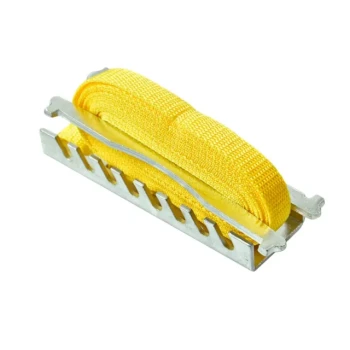
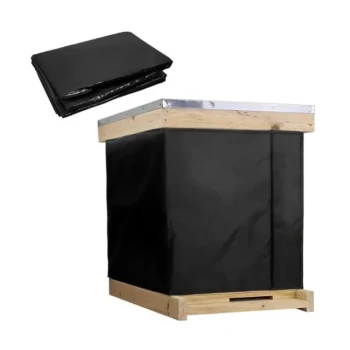
The application of sealing tape acts as a critical defensive and energetic barrier for stingless bee hives. It functions by hermetically sealing the gaps between modular hive layers, which physically excludes devastating parasites and stabilizes the internal microclimate, directly allowing the colony to redirect metabolic energy from survival maintenance to productive growth.
Core Takeaway Sealing tape does more than simply close a box; it creates a controlled environment that minimizes the biological "tax" of thermoregulation and defense. by artificially securing the hive's integrity, you allow the colony to allocate its finite resources toward foraging and brood rearing rather than fighting pests or fluctuating temperatures.
The Defense Mechanism: Physical Exclusion
Blocking Parasitic Entry
The primary function of sealing tape is to hermetically close the seams between modular hive layers.
This physical barrier is essential for preventing the entry of parasitic pests, specifically phorid flies. These pests are small enough to slip through minor structural gaps and can rapidly devastating a colony if they gain access.
Containing Volatile Attractants
During hive management, such as splitting colonies or harvesting, the scent of honey and pollen is released.
If gaps remain unsealed, these volatiles leak into the surrounding air, acting as a beacon for predators like Small Hive Beetles. Sealing tape contains these scents within the hive, reducing the likelihood that predators will detect and target the colony.
Energy Conservation and Productivity
Reducing Thermoregulation Costs
Stingless bees operate within a specific thermal budget.
When a hive is not sealed against wind and humidity fluctuations, worker bees must expend significant energy to actively regulate the internal temperature. Sealing tape shields the colony from these external variables, maintaining a stable thermal environment passively.
Optimizing Foraging Allocation
There is a direct trade-off between hive maintenance and resource gathering.
By stabilizing the environment artificially with tape, the colony faces a reduced demand for thermoregulation. This allows the workforce to redirect their efforts toward foraging and brood care, directly increasing the hive's overall productivity and store of resources.
Environmental Stability and Brood Health
Managing Internal Humidity
Beyond temperature, the airtightness provided by high-quality sealing is vital for humidity control.
Larvae require specific humidity levels for healthy development. Tape prevents the uncontrolled exchange of air, assisting the bees in maintaining the precise moisture levels required for successful brood rearing and swarm colonization.
Preventing Light Stress
Stingless bees generally require dark environments for their nest chambers.
Sealing tape ensures the hive remains light-proof, preventing light intrusion through the joinery. This reduces stress on the colony and mimics the natural, enclosed cavities these bees prefer in the wild.
Operational Considerations and Trade-offs
The Necessity of Precision
The effectiveness of this method relies entirely on the quality of the application.
Improperly applied tape or low-quality materials that peel can create a false sense of security. If the seal fails, it can create a trap where humidity builds up excessively, or where pests enter but cannot be easily evicted by the bees.
Facilitating Non-Destructive Inspection
In specific applications, such as coconut shell traps or modular hives, tape allows for reversibility.
It enables beekeepers to open the hive for inspection or transfer without permanently damaging the structure. This non-destructive access is crucial for monitoring colony development without exposing the bees to prolonged stress or structural failure.
Making the Right Choice for Your Goal
To maximize the benefits of sealing tape, align your application method with your specific objective:
- If your primary focus is Pest Control: Ensure the tape provides a hermetic seal immediately after any hive manipulation to contain volatiles and physically block phorid flies and beetles.
- If your primary focus is Rapid Colony Growth: Prioritize airtight sealing to stabilize temperature and humidity, allowing the bees to invest all available energy into brood rearing rather than climate control.
Ultimately, sealing tape is not just a fastener, but an external organ that assists the colony in maintaining homeostasis.
Summary Table:
| Benefit Category | Primary Function | Impact on Colony |
|---|---|---|
| Pest Defense | Blocks phorid flies and contains scents | Prevents devastating infestations and predator attraction |
| Energy Efficiency | Reduces thermoregulation metabolic cost | Frees up workers for increased foraging and brood care |
| Climate Control | Stabilizes internal humidity and temp | Ensures optimal larval development and healthy brood health |
| Stress Reduction | Eliminates light intrusion and drafts | Mimics natural dark cavities for a more stable environment |
| Maintenance | Non-destructive modular access | Allows for easy hive inspection without structural damage |
Maximize Your Colony Productivity with HONESTBEE
At HONESTBEE, we understand that commercial success in apiculture relies on precision and protection. As a premier provider for commercial apiaries and distributors, we offer a comprehensive wholesale range of professional-grade beekeeping tools, specialized machinery, and essential consumables designed to safeguard your investment.
Whether you need advanced hive-making equipment to ensure perfect seams or high-quality materials to optimize colony homeostasis, our team is here to support your growth. Contact us today to discover how our tailored equipment solutions can enhance your operations and drive your productivity forward.
References
- R. B. Sampaio, P. Faquinello. Avaliação de alimentadores para abelha mandaçaia (melipona quadrifasciata anthidioides). DOI: 10.21071/az.v62i240.636
This article is also based on technical information from HonestBee Knowledge Base .
Related Products
- Professional Galvanized Hive Strap with Secure Locking Buckle for Beekeeping
- Heavy-Duty Nylon Beehive Hive Strap with Stainless Steel Cinch Buckle
- Professional Insulated Winter Hive Wrap for Beekeeping
- Black Plastic Beetle Barn Hive Beetle Trap for Beehives
- Heavy Duty Stainless Steel Queen Bee Catcher Clip
People Also Ask
- What is a good way to store hive straps to keep them organized? Master the Art of Tangle-Free Hive Transport
- What are the two main styles of hive straps? Choosing Between Cam Buckles and Ratchet Mechanisms for Your Apiary
- What role do standardized beehive fastening and protective consumables play? Secure Colonies Against Natural Disasters
- What maintenance do hive straps require? Keep Your Hives Secure with Simple Care Tips
- What is the best choice for hive straps? Ratchet vs. Cam Buckle for Your Apiary