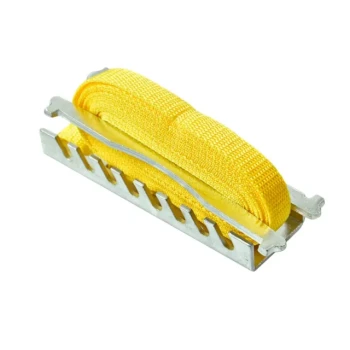
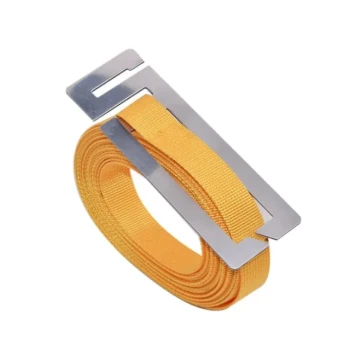
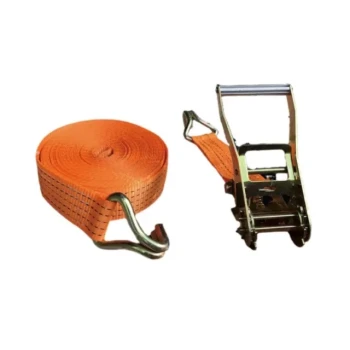
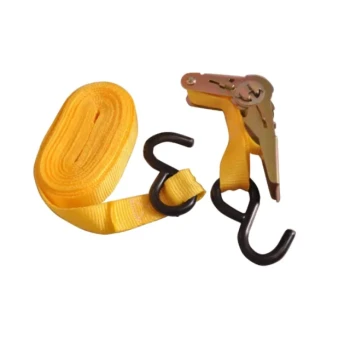
Hive straps generally fall into two primary categories: those equipped with cam buckle closures and those featuring mechanically-assisted ratchet mechanisms. While both styles serve the critical function of securing your hive components together, they differ fundamentally in how they apply and maintain tension.
The most practical approach is often to use whatever equipment you currently have on hand. However, if you are purchasing new gear, the choice between cam buckles and ratchets largely depends on your physical strength and the level of tension required.
Understanding the Mechanisms
The Cam Buckle Style
This style relies on a simple friction mechanism. You thread the strap through a spring-loaded clamp (the cam) and pull the loose end to tighten it.
The tension you achieve is directly proportional to the physical force you can exert while pulling. Once you release the lever, the cam "bites" into the strap to hold it in place.
The Ratchet Mechanism Style
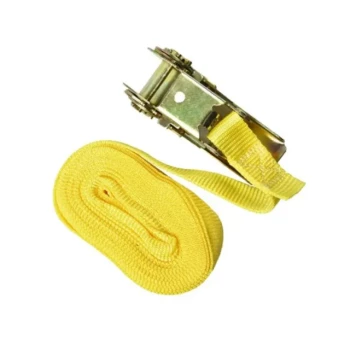
These straps utilize a mechanical crank system. Rather than relying solely on your pulling power, a lever allows you to crank the strap tight.
This mechanism creates a mechanical advantage, multiplying your force. This allows for significantly higher tension with less physical effort compared to a standard pull-tight buckle.
Evaluating the Trade-offs
Physical Strength Requirements
The defining difference between these two tools is the effort required to use them effectively.
If you do not consider yourself particularly strong, ratchet straps are likely the superior choice. The mechanical assistance ensures you can tighten the strap sufficiently to be effective without straining yourself.
Practicality and Simplicity
While ratchets offer power, they are slightly more complex to operate. Cam buckles are mechanically simpler and faster to attach if you have the strength to cinch them down.
However, the most pragmatic advice is often economic: if you already own functional straps of either style, there is rarely a need to replace them. Both will do the job if applied correctly.
Making the Right Choice for Your Apiary
To ensure your hives remain secure during transport or high winds, choose the tool that matches your physical capabilities.
- If your primary focus is leveraging existing inventory: Use the straps you currently have, as both styles are effective when properly tightened.
- If your primary focus is ease of tightening: Choose ratchet straps, as their mechanical advantage compensates for lower physical strength and ensures a tight seal.
Select the strap that allows you to confidently secure the hive without unnecessary physical strain.
Summary Table:
| Feature | Cam Buckle Straps | Ratchet Mechanism Straps |
|---|---|---|
| Mechanism | Simple friction/spring-loaded clamp | Mechanical crank/lever system |
| Tension Source | Manual pulling force | Mechanical advantage (multiplying force) |
| Strength Needed | High (requires strong physical pull) | Low (easy to tighten for anyone) |
| Ease of Use | Simple and fast to thread | More complex but more powerful |
| Best For | Quick application & existing inventory | Secure transport & maximum tension |
Secure Your Apiary with Professional-Grade Equipment
At HONESTBEE, we understand that the safety of your colonies depends on reliable hardware. Whether you are a commercial apiary manager or a global distributor, we provide a full spectrum of high-quality beekeeping tools, from essential hive straps to advanced hive-making and honey-filling machinery.
Why partner with HONESTBEE?
- Comprehensive Wholesale Catalog: One-stop shop for tools, machinery, and consumables.
- Built for Professionals: Our equipment is designed to withstand the rigors of commercial beekeeping.
- Global Support: We cater to large-scale operations and distributors with competitive pricing.
Ready to upgrade your equipment or stock your warehouse? Contact our expert team today to discuss our wholesale offerings and discover how we can help your business thrive.
Related Products
- Professional Galvanized Hive Strap with Secure Locking Buckle for Beekeeping
- Heavy-Duty Nylon Beehive Hive Strap with Stainless Steel Cinch Buckle
- Heavy Duty Ratchet Hive Strap
- Versatile Ratchet Hive Strap with S-Hooks for Secure Fastening
- High Security Emlock Strap System
People Also Ask
- What is a good way to store hive straps to keep them organized? Master the Art of Tangle-Free Hive Transport
- What role do standardized beehive fastening and protective consumables play? Secure Colonies Against Natural Disasters
- What maintenance do hive straps require? Keep Your Hives Secure with Simple Care Tips
- What is the best choice for hive straps? Ratchet vs. Cam Buckle for Your Apiary
- How should hive straps be stored? Prevent Tangles & Extend Strap Life