The use of jute cloth facilitates efficient propolis collection by acting as a porous, fibrous trap placed directly over the brood box frames. This material exploits the honeybee's natural instinct to seal gaps, causing them to fill the fabric's weave with pure resin, which can then be removed and scraped for a high-yield harvest.
By simulating thousands of tiny gaps, jute cloth transforms propolis collection from a messy scraping task into a systematic harvest method, yielding cleaner material suitable for refined extraction.
Harnessing Hive Instincts
The "Gap-Sealing" Behavior
Honeybees possess a biological drive to seal any opening or crack within their enclosure to protect the colony.
Triggering Deposition
Jute cloth is composed of porous fibers that the bees perceive as a network of gaps.
Instead of sealing a single crack, the bees work to fill the fibrous pores of the entire cloth with propolis.
Maximizing Surface Area for Deposition
Increasing Harvestable Space
Traditional harvesting relies on scraping the limited surface area of hive walls or frames.
Jute cloth introduces a three-dimensional structure with significant depth.
This method drastically increases the available surface area for propolis deposition without altering the hive's footprint.
Elevating Material Purity
Eliminating Wood Contamination
A major challenge in traditional collection is the inclusion of wood chips and paint from scraping hive components.
Jute cloth isolates the propolis deposition area from the wooden hive body.
Reducing Biological Debris
Precision collection via porous mats significantly reduces the presence of bee debris and other impurities.
This results in a raw material with higher initial purity, essential for subsequent medicinal applications.
Understanding the Trade-offs
Processing Requirements
While collection is passive, harvesting the resin from the cloth requires effort.
Beekeepers must remove the cloth and scrape it, often requiring freezing temperatures to make the resin brittle enough to separate from the fiber.
Consumable Nature
Unlike rigid plastic traps that might be reused indefinitely, jute cloth functions as a fiber consumable.
This implies a recurring cost and material turnover that must be factored into the operational budget.
Making the Right Choice for Your Goal
To determine if jute cloth is the right collection method for your apiary, consider your end goals:
- If your primary focus is Medicinal Grade Products: Jute is superior because it minimizes foreign debris like wood shavings, ensuring high initial purity for extraction.
- If your primary focus is Operational Efficiency: Jute allows for rapid "swap-out" collection in the field, though it shifts the labor burden to post-harvest scraping.
By integrating jute cloth, you convert a natural bee behavior into a streamlined production line for high-quality resin.
Summary Table:
| Feature | Jute Cloth Collection | Traditional Scraping |
|---|---|---|
| Purity Level | High (Low wood/paint contamination) | Low (High risk of wood chips) |
| Surface Area | High (3D fibrous weave) | Low (Flat frame/wall surfaces) |
| Collection Method | Passive fiber trapping | Manual scraping of hive parts |
| Post-Harvest | Requires freezing & scraping | Direct scraping from hive |
| Tool Type | Soft fiber consumable | Rigid hive components |
Maximize Your Propolis Production with HONESTBEE
Elevate your commercial apiary's output and material purity with professional-grade solutions. HONESTBEE specializes in supporting commercial beekeepers and distributors by providing a full spectrum of high-performance tools and machinery.
Whether you need specialized propolis collection consumables, advanced honey-filling machines, or durable hive-making hardware, we deliver the quality you need to stay competitive in the global market. Our comprehensive wholesale offering ensures your operation runs efficiently from harvest to final packaging.
Ready to scale your apiary's efficiency? Contact us today to discuss your wholesale requirements
References
- H. Mansour, A. Khater. COMPARATIVE STUDY ON SOME ACTIVITIES AND PRODUCTS BETWEEN HYBRIDS OF CARNIOLAN AND ITALIAN HONEYBEE. DOI: 10.21608/jppp.2008.218979
This article is also based on technical information from HonestBee Knowledge Base .
Related Products
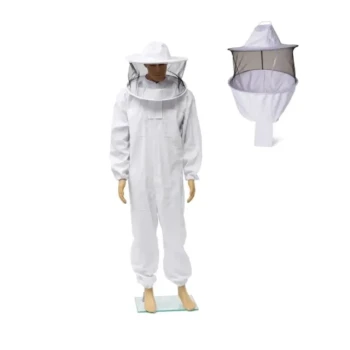
- Professional Cotton Beekeeper Suit with Round Veil Design for Commercial Apiaries
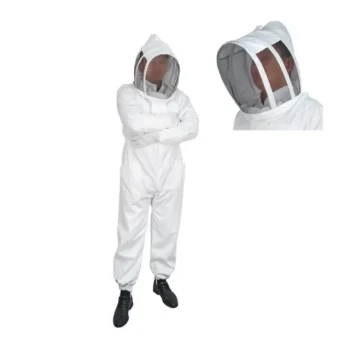
- Professional Beekeeper Suit with Square Folding Cotton Veil
- White Cotton Beekeeping Jacket and Veil for Bee Keepers
- Premium Cotton Beekeeper Suit with Reinforced Fencing Veil
- Nylon Honey Strainer Square Filter Cloth for Honey Filters
People Also Ask
- What material and design specifications are recommended for a high-quality beekeeper suit? Top Gear Selection Guide
- How to Pre-treat Propolis Stains on Beekeeping Suits? Master Advanced Fabric Care and Soil Removal
- Why is it important to keep a beekeeping suit clean? Essential Safety & Maintenance Tips
- Is it generally safe to wash a beekeeping suit in a washing machine? Maintain Your Safety Gear Properly
- What are the primary functional requirements for a beekeeping suit to ensure user safety? Professional Sourcing Guide