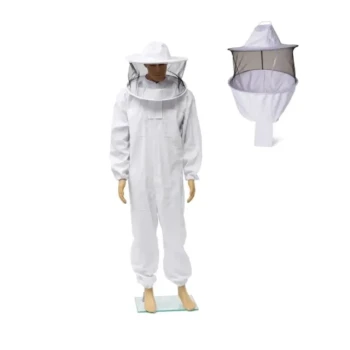
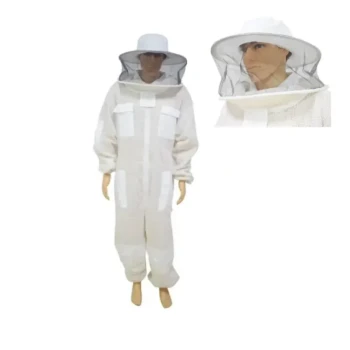
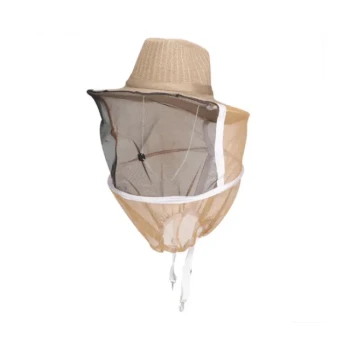
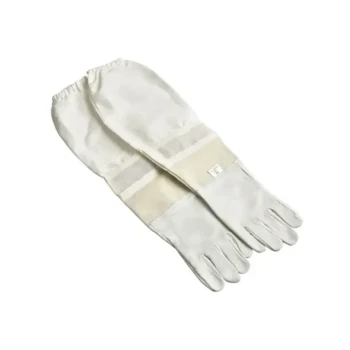
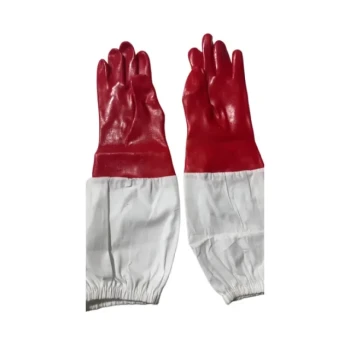
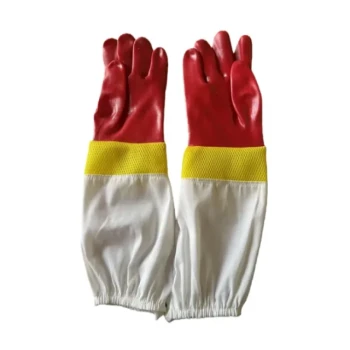
Professional beekeeping protective suits directly drive operational efficiency by acting as a critical safety barrier against stings, removing the physical and psychological distractions of working with defensive colonies. This protection allows operators to perform core tasks—such as hive inspections, colony splitting, and pest management—with the confidence and continuity required for professional apiary management.
By neutralizing the risk of injury, protective gear transforms beekeeping from a defensive struggle into a controlled, professional workflow. This safety assurance enables continuous, high-precision management and scientific monitoring essential for maintaining high productivity.
The Operational Mechanics of Safety
The primary function of a protective suit is physical safety, but its impact on efficiency is largely psychological and procedural. When the risk of injury is removed, the operator's focus shifts from self-preservation to colony management.
Enabling Psychological Composure
Fear of stings causes hesitation and rushed movements. Professional suits provide a comprehensive physical barrier using high-strength fabrics and mesh.
This safety assurance allows technicians to approach hives calmly. A calm operator makes deliberate movements, which is essential for maintaining a steady workflow during long hours in the apiary.
Enhancing Task Precision
Beekeeping involves delicate procedures, such as grafting larvae, spotting queens, or removing burr combs. These tasks require fine motor skills and intense focus.
Protective gear allows operators to execute these complex tasks with precision. Without the distraction of guarding against stings, beekeepers can perform detailed inspections and scientific harvesting practices that reduce error rates.
Ensuring Workflow Continuity
Efficiency in an apiary is defined by the ability to maintain a schedule, regardless of external conditions or colony temperament.
Managing Peak Season Demands
During peak nectar seasons or large-scale honey harvesting, bee activity is at its highest. Professional gear, including fully enclosed vision windows and puncture-resistant materials, ensures the work continues uninterrupted.
Technicians can maintain focus and efficiency even during periods of high defensive behavior. This prevents operational bottlenecks that occur when work must be paused due to aggressive colonies.
Preventing Management Neglect
A lack of adequate protection often leads to the avoidance of difficult colonies. This can result in the neglect or abandonment of hives that require intervention.
Proper equipment ensures that pest and disease outbreaks are identified and managed immediately. By facilitating frequent and detailed monitoring, suits prevent minor issues from escalating into colony losses.
The Biological Impact on Efficiency
The efficiency of the beekeeper directly influences the productivity of the bees. The two are inextricably linked.
Reducing Colony Stress
Bees react defensively to jerky, nervous movements. Because protective suits allow the operator to move calmly, they minimize disturbances and stress responses within the colony.
Lowering Mortality Rates
Rough handling caused by fear often leads to crushed bees or rolled queens. By enabling careful manipulation of frames, protective gear helps lower bee mortality rates. This preserves the colony's population and ensures sustained productivity.
Understanding the Trade-offs
While protective suits are essential for efficiency, they introduce specific operational constraints that must be managed.
Dexterity vs. Protection
Thick, puncture-resistant gloves and fabrics provide maximum safety but can reduce tactile feedback. This may slightly slow down tasks requiring extreme manual dexterity, such as marking queens.
Heat Management
Comprehensive physical barriers restrict airflow. While modern suits incorporate mesh for ventilation, full-body protection can lead to heat fatigue, potentially shortening the duration of work shifts in hot climates.
Maintenance Requirements
The reliability of the "biosafety barrier" depends on the gear's condition. Suits require regular inspection for tears or gaps to maintain the confidence necessary for efficient work; a compromised suit immediately negates the efficiency gains discussed above.
Making the Right Choice for Your Goal
Selecting the right level of protection depends on your specific operational objectives.
- If your primary focus is Commercial Production: Prioritize suits with high durability and maximum airflow to sustain long work hours during peak harvest without fatigue.
- If your primary focus is Queen Breeding or Research: Prioritize gear that offers a balance of protection and dexterity to ensure the highest precision during delicate biological manipulations.
- If your primary focus is Disease Management: Ensure your equipment provides a complete, reliable seal to allow for thorough, fearless investigation of aggressive or distressed colonies.
True apiary efficiency is achieved when the beekeeper can work invisibly and fearlessly, treating the hive not as a hazard, but as a system to be optimized.
Summary Table:
| Factor | Impact on Efficiency | Benefit to Apiary Management |
|---|---|---|
| Psychological Composure | Removes fear of stings | Allows for calm, deliberate, and steady workflow. |
| Task Precision | Focus on fine motor skills | Higher accuracy in queen spotting and larvae grafting. |
| Workflow Continuity | Puncture-resistant barriers | Prevents bottlenecks during peak nectar or harvest seasons. |
| Colony Health | Reduced jerky movements | Lowers bee mortality and minimizes colony stress levels. |
| Pest Management | Enables detailed monitoring | Ensures early detection of diseases in aggressive hives. |
Elevate Your Commercial Beekeeping Efficiency with HONESTBEE
At HONESTBEE, we understand that professional-grade protection is the foundation of a productive apiary. We cater specifically to commercial apiaries and distributors, providing a comprehensive wholesale range of high-performance beekeeping tools and protective gear designed to withstand the rigors of large-scale operations.
From durable, ventilated suits that ensure technician comfort to advanced honey-filling machines and hive-making hardware, our portfolio covers every aspect of your business. Partner with us to access professional equipment that turns defensive struggles into streamlined workflows.
Ready to scale your production?
Contact us today to discuss your wholesale needs!
References
- ASSESSMENT OF GENDER ROLES AND INFORMATION NEEDS OF BEEKEEPING IN KANO STATE, NIGERIA. DOI: 10.56160/jaeess/2025/11/i1/003
This article is also based on technical information from HonestBee Knowledge Base .
Related Products
- Premium Cotton Beekeeper Suit with Reinforced Fencing Veil
- White Cotton Beekeeping Jacket and Veil for Bee Keepers
- Beekeeping Jacket with Hood and Veil for Beekeepers
- Professional Beekeeping Suit for Kids and Girls Childrens Bee Keeper Suit
- Professional Cotton Beekeeper Suit with Round Veil Design for Commercial Apiaries
People Also Ask
- What material and design specifications are recommended for a high-quality beekeeper suit? Top Gear Selection Guide
- How to Pre-treat Propolis Stains on Beekeeping Suits? Master Advanced Fabric Care and Soil Removal
- What features should be considered for sting protection in a beekeeping suit? Ensure Total Safety and Comfort
- What are the differences between full suits and jackets with veils in beekeeping? Choose Your Best Protection
- What features should be looked for in a beekeeping suit for maximum comfort? Prioritize Ventilation and Fit