Professional-grade GPS positioning equipment fundamentally changes apiary management by shifting hive placement from intuition to precision science. By accurately recording the geographic coordinates of specific forage plants, particularly in complex terrains, this technology allows beekeepers to optimize hive locations for maximum yield.
By feeding precise GPS coordinates into a Geographic Information System (GIS), beekeepers can create detailed resource maps. This enables scientific planning that positions hives to minimize bee travel time and maximize honey collection efficiency.
The Transition to Scientific Apiary Management
Precision Mapping of Forage Resources
The primary capability of professional-grade GPS is the precise recording of distinct forage plants.
Rather than relying on general knowledge of an area, beekeepers can tag specific geographic coordinates of high-value blooms. This is essential in complex terrains where resources are unevenly distributed.
Building a Geographic Information System (GIS)
The data collected serves as the foundation for a Geographic Information System (GIS).
This system transforms raw coordinates into a visual and analytical tool. It allows the apiary manager to see the exact density and distribution of available nectar sources across their territory.
Optimizing Production Through Placement
Strategic Hive Positioning
With a GIS based on accurate data, hive placement becomes a scientific decision rather than a guess.
Managers can identify the geometric center of forage clusters. Placing hives in these calculated locations ensures the colony has the shortest possible commute to resources.
Maximizing Collection Efficiency
The direct result of improved placement is increased honey collection efficiency.
When bees spend less energy flying to forage, they can carry more nectar per trip and make more trips per day. This optimizes the output of the commercial operation.
Understanding the Trade-offs
Equipment Complexity
Professional-grade GPS equipment is significantly more complex than standard consumer navigation tools.
It requires a level of technical proficiency to operate effectively. Personnel must be trained not just to use the hardware, but to manage the data it generates.
Dependency on Data Accuracy
The effectiveness of the GIS is entirely dependent on the quality of the input data.
If the forage plants are not mapped with high precision, the resulting "scientific plan" will be flawed. Investing in the equipment yields no return if the mapping process is rushed or inaccurate.
Making the Right Choice for Your Apiary
To determine if this technology aligns with your operational goals, consider your primary objectives:
- If your primary focus is maximizing yield: Use GPS to identify high-density forage clusters and place hives at their calculated center to boost collection rates.
- If your primary focus is land management: Use the data to map complex terrains, ensuring no potential forage zones are overlooked due to difficult topography.
Adopting precise positioning technology turns the chaotic variable of nature into a manageable, data-driven asset for your business.
Summary Table:
| Benefit Category | GPS/GIS Advantage | Impact on Apiary Operations |
|---|---|---|
| Forage Mapping | Pinpoints exact coordinates of nectar sources | Eliminates guesswork in complex or uneven terrains |
| Spatial Analysis | Integration with GIS for resource density maps | Provides a data-driven overview of floral availability |
| Hive Placement | Locates the geometric center of forage clusters | Minimizes bee travel time and energy expenditure |
| Yield Optimization | Increases nectar collection trips per day | Significantly boosts the total honey output per colony |
Elevate Your Commercial Operation with HONESTBEE
At HONESTBEE, we specialize in empowering commercial apiaries and global distributors with the tools needed for precision beekeeping. Whether you are looking to scale your production or optimize land management, our comprehensive wholesale portfolio has you covered.
We provide everything from advanced beekeeping machinery and hive-making equipment to industrial honey-filling machines and essential consumables. Partner with us to turn your apiary into a data-driven, high-yield business.
Ready to modernize your fleet and equipment? Contact us today to explore our wholesale solutions!
References
- Mihaela Britvec, Rosana Šimunić. MEDONOSNO BILJE KAMENJARSKIH PAŠNJAKA OTOKA KRKA, CRESA I PAGA. DOI: 10.18332/tid/137086
This article is also based on technical information from HonestBee Knowledge Base .
Related Products
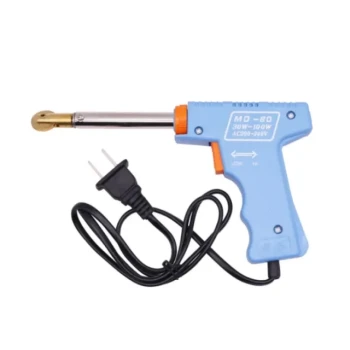
- HONESTBEE professional Efficient Beekeeping Tool: Electric Spur Wheel Wire Embedder
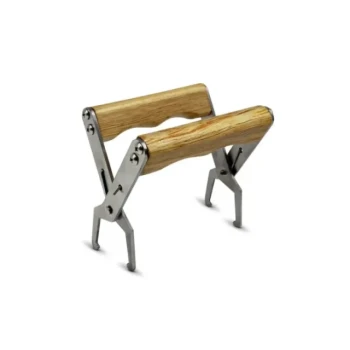
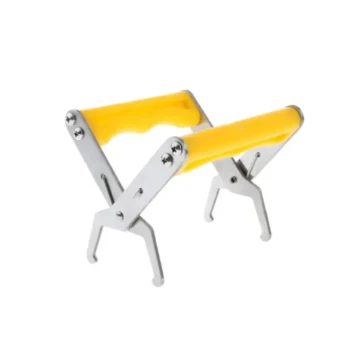
- Premium Frame Grip with Ergonomic Wood Handles
- HONESTBEE Professional Telescopic Pole Bee Swarm Catcher
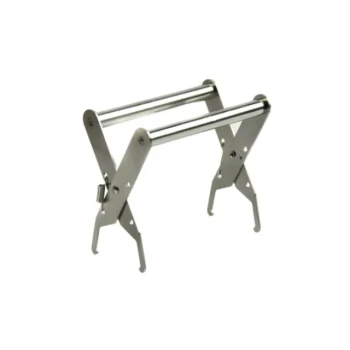
- Heavy-Duty Stainless Steel Frame Grip
- Professional Frame Preparation: The HONESTBEE Electric Wire Embedder
People Also Ask
- How can combs be further strengthened? Embed Wires for Durable, High-Yield Hives
- What is the primary function of an electric embedder? Secure Your Beeswax Foundation with Heat Fusion
- How do transport devices like wheelbarrows and motorcycles improve efficiency? Optimize Your Honey Logistics Now!
- What is the function of handheld electric vibrators in greenhouses? Ensure High Yields When Honeybees Are Unavailable
- What is the purpose of a widened metal wire mat in bear-proof electric fences? Maximize Grounding for Stronger Shocks