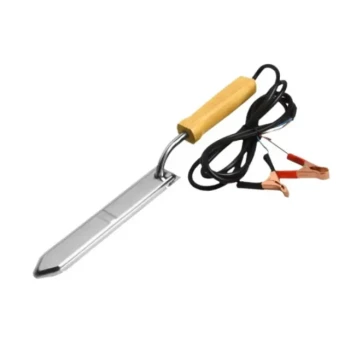
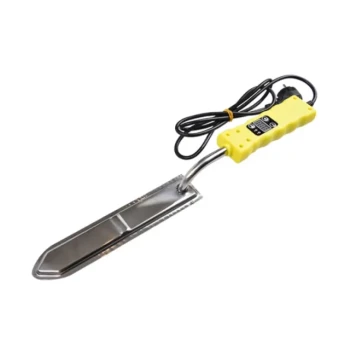
Handheld electric vibrators act as a mechanical substitute for natural pollinators. They function by simulating the specific physical vibrations required to trigger the release of pollen from flower anthers, a process often necessary for crops like greenhouse tomatoes. When biological agents like Western honeybees are unavailable or unable to adapt to the environment, these devices serve as a critical manual intervention to ensure fertilization occurs.
Core Insight: While significantly more labor-intensive than biological methods, handheld vibrators are the definitive "insurance policy" for growers. They guarantee cross-pollination and prevent total yield loss in enclosed environments or extreme climates where bees simply cannot survive or perform effectively.
The Mechanics of Artificial Pollination
Simulating "Buzz" Pollination
Many crops, particularly tomatoes, require a specific frequency of vibration to release their pollen.
Handheld electric vibrators are engineered to mimic this natural physical interaction. By touching the flower cluster with the vibrating wand, the device forcibly shakes pollen loose to ensure it lands on the stigma for fertilization.
Ensuring Yield Consistency
In the absence of pollination, fruit set fails, leading to direct economic loss.
These devices provide a deterministic outcome for the grower. Unlike biological agents, which can be unpredictable, a mechanical vibrator ensures that every treated flower has the opportunity to develop into fruit.
When to Deploy Mechanical Solutions
Overcoming Enclosed Environment Limits
Greenhouses often isolate crops from the natural ecosystem, creating a barrier for wild pollinators.
In these fully enclosed spaces, introducing Western honeybees can sometimes be ineffective if the bees become disoriented or stressed. Mechanical vibrators bypass the need for a live biological vector entirely.
Adapting to Extreme Climates
Biological pollinators have physiological limits regarding temperature and humidity.
In extreme climates where Western honeybees cannot adapt or forage efficiently, mechanical pollination remains operational. This allows cultivation to continue regardless of external weather conditions or internal climate control challenges.
Understanding the Trade-offs
The Labor Cost Factor
The primary downside to this technology is the operational expense.
Using handheld vibrators requires manual labor to treat flower clusters individually, which drives costs higher compared to releasing a hive of bees. You are effectively trading the low-cost efficiency of nature for the high-cost reliability of machines.
Scalability Constraints
Because this process is manual, it scales linearly with human effort rather than exponentially like a biological colony.
For vast operations, the workforce required to mechanically pollinate every plant can become a logistical bottleneck. It is often best reserved for high-value crops or specific conditions where biological failures are inevitable.
Making the Right Choice for Your Operation
Deciding between mechanical and biological pollination depends on your environmental constraints and risk tolerance.
- If your primary focus is cost efficiency: Prioritize biological solutions like Western honeybees, provided the climate allows them to thrive.
- If your primary focus is guaranteed yield in extreme conditions: Utilize handheld electric vibrators to eliminate the risk of biological failure, accepting the higher labor investment.
Mastering the use of mechanical vibration ensures that your harvest is never held hostage by the limitations of biology.
Summary Table:
| Feature | Biological Pollinators (Honeybees) | Handheld Electric Vibrators |
|---|---|---|
| Mechanism | Natural foraging & buzz pollination | Simulated mechanical vibration |
| Reliability | Variable (affected by weather/stress) | High (deterministic outcome) |
| Labor Intensity | Low (bees work autonomously) | High (requires manual cluster treatment) |
| Scalability | High (colony scales naturally) | Limited (scales with labor hours) |
| Best Use Case | Large-scale, cost-efficient operations | High-value greenhouse crops & extreme climates |
Maximize Your Colony and Crop Productivity with HONESTBEE
Whether you are managing complex greenhouse environments or running a large-scale commercial apiary, HONESTBEE provides the professional-grade tools you need to succeed. We specialize in supporting commercial apiaries and distributors with a comprehensive wholesale range, including:
- Advanced Beekeeping Machinery: From hive-making to honey-filling machines.
- Professional Tools & Equipment: A full spectrum of hardware designed for efficiency.
- Essential Consumables: Every industry staple required for daily operations.
- Cultural Merchandise: Unique honey-themed products to expand your market reach.
Don't let environmental challenges or biological limitations hinder your harvest. Partner with a supplier that understands the full scale of your operation. Contact HONESTBEE today for premium wholesale beekeeping solutions tailored to your business needs.
References
- C.H. Toni, G. Ampong Mensah. Western honey bee management for crop pollination. DOI: 10.4314/acsj.v26i1.1
This article is also based on technical information from HonestBee Knowledge Base .
Related Products
- Electric Bee Smoker European Style Bee Hive Smoker for Beekeeping
- High Performance Cordless Electric Bee Shaker for Beekeeping
- HONESTBEE Adjustable Voltage Wire Embedder with Digital Display
- Heavy-Duty Ergonomic Grip Galvanized Pollen Shovel
- HONESTBEE professional Efficient Beekeeping Tool: Electric Spur Wheel Wire Embedder
People Also Ask
- What is an electric bee smoker? A Guide to Automated Hive Management
- What is the purpose of using a beekeeping smoker during hive inspections and harvesting? Enhance Apiary Safety & Control
- What are bee smokers made out of? Choose the Right Material for Your Apiary
- What preparation is required before opening a bee hive? Essential Checklist for Safe Hive Inspection
- What is the primary function of a beekeeping smoker in the context of observing honeybee development? Expert Hive Guide