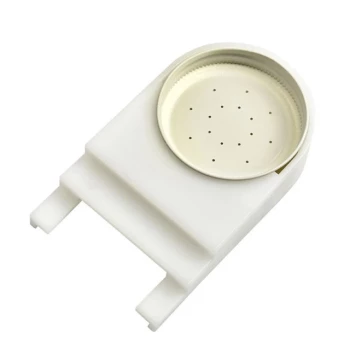
To set up a dual-use feeder internally, you must create a protected chamber within the hive stack to house the equipment. This involves placing an empty medium super box directly on top of the inner cover, positioning the feeder over the central hole, and sealing the unit with the outer cover.
The internal configuration requires an additional empty box to act as a shell. This method places the food source directly above the cluster, keeping the syrup warmer and reducing the risk of robbing compared to external entrance feeding.
The Configuration Process
Preparing the Foundation
Begin by removing the hive’s outer cover to expose the inner cover.
The inner cover will serve as the floor for your feeding station.
Creating the Feeder Housing
Place a medium super directly on top of the inner cover.
Critically, this super must be empty; remove all frames from this box before installation.
This empty shell creates the necessary vertical space to enclose the feeder while keeping it protected from the elements.
Positioning the Feeder
Place the feeder setup directly onto the inner cover inside the empty super.
Align the feeder so it sits on or near the central hole of the inner cover.
This placement allows bees to climb up through the inner cover hole to access the syrup without leaving the hive's interior.
Securing the Setup
Place the outer cover back on top of the empty medium super.
Ensure the cover is seated firmly to prevent rain or robber bees from entering the feeding chamber.
Understanding the Trade-offs
Equipment Requirements
Unlike using the feeder at the entrance, the internal method requires extra woodenware.
You must have a spare box (the medium super) available that is not currently being used for frames or honey storage.
Checking Syrup Levels
Monitoring food consumption requires removing the outer cover.
While this does not disturb the brood nest as much as a full inspection, it does temporarily expose the top of the hive to the elements.
Leakage Risks
As noted in general feeder guidelines, ensuring the device is level is critical.
If the hive or the inner cover is tilted, an internal feeder may drip syrup directly down onto the bee cluster, which can be dangerous in cooler weather.
Optimizing Your Feeding Strategy
Successfully feeding bees requires balancing accessibility with hive security.
- If your primary focus is robbery prevention: Use this internal setup to keep the syrup scent contained within the hive, making it invisible to wasps and other colonies.
- If your primary focus is cold-weather feeding: Choose the internal configuration, as the heat rising from the cluster keeps the syrup warm and consumable.
By creating a dedicated space above the inner cover, you provide your colony with safe, secure access to nutrition.
Summary Table:
| Setup Component | Requirement / Action |
|---|---|
| Housing | Empty medium super (no frames) |
| Base | Standard inner cover with central hole |
| Placement | Centered over the inner cover hole |
| Security | Sealed with a firm outer cover |
| Best For | Robbery prevention and cold-weather feeding |
Maximize Your Apiary's Productivity with HONESTBEE
At HONESTBEE, we specialize in empowering commercial apiaries and distributors with the high-quality tools needed for large-scale success. Whether you are looking for advanced hive-making machinery, honey-filling solutions, or a consistent wholesale supply of essential beekeeping consumables, we have you covered.
Our comprehensive portfolio is designed to streamline your operations and enhance colony health. Contact us today to discuss how our professional-grade equipment and machinery can scale your beekeeping business.
Related Products
- In-Hive Dual Compartment Frame Bee Feeder for Targeted Colony Nutrition
- Rapid Bee Feeder White Plastic 2L Round Top Feeder for 8 or 10-Frame Bee Hives
- 3.5L Plastic Beehive Frame Feeder Deep Frame Water Feeder for In Hive Use
- Classic Boardman Entrance Bee Feeder Hive Front Feeding Solution
- HONESTBEE Entrance Bee Feeder Efficient Hive Front Liquid Feeding Solution for Beekeeping
People Also Ask
- What are the advantages of using a frame feeder for bee colonies? Boost Growth and Prevent Robbing Efficiently
- Why should sugar syrup or dry sugar not be left out in the open when feeding bees? Avoid a Dangerous Feeding Frenzy
- What precautions should be taken when feeding bees inside the hive? Safeguard Your Colony from Robbing and Leaks
- How do in-hive feeders support honey bee colonies during autumn? Ensure Overwintering Success for Your Apiary
- How do high-quality in-hive feeders assist in managing bee colonies during pesticide contamination? Protect Your Apiary