During a summer nectar dearth, apiaries should feed colonies internally and reduce hive entrances immediately. Drought and extreme heat can eliminate natural nectar sources, pushing strong colonies to rob weaker ones. Internal feeders keep syrup concealed within the hive, while entrance reducers and closed upper gates limit access so guard bees can defend the colony more effectively.
The central risk during a nectar dearth is not simply inadequate food—it is exposed food and poorly defended entrances. Internal feeding, restricted access, rapid inspections, and careful apiary hygiene help preserve colony strength while reducing robbing, bee mortality, and parasite transmission.
Why Summer Nectar Dearths Create an Immediate Risk
Natural forage becomes insufficient
A nectar dearth occurs when flowering plants provide little or no accessible nectar. Summer drought and extreme heat are common causes, but unfavorable weather and the end of a major bloom can create the same condition.
Colonies still require energy for adult maintenance, brood rearing, temperature regulation, and defense. Without adequate nectar, bees may search aggressively for food inside neighboring colonies.
Strong colonies target weak colonies
Robbing usually begins when a colony cannot adequately defend its honey stores. Strong foragers exploit gaps, cracks, open hive components, exposed syrup, or unprotected entrances.
A weak colony can be stripped rapidly. The resulting fighting may kill workers, expose brood and the queen, and in severe cases cause colony collapse.
Robbing increases apiary-wide disease risk
Robbing brings bees from different colonies into direct contact. This can accelerate the spread of parasites such as Varroa mites, while the associated fighting and stress further weaken affected colonies.
For commercial apiaries, one poorly managed hive can therefore become a broader operational problem rather than an isolated colony issue.
Why Internal Feeders Are Essential
They conceal the food source
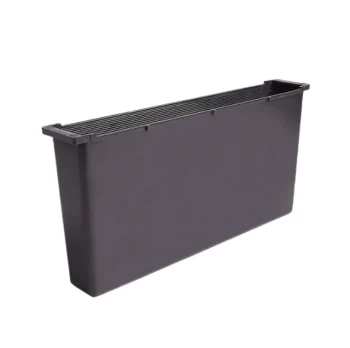
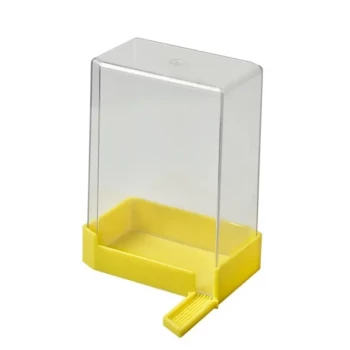
Internal hive feeders place artificial feed inside the hive rather than at the entrance or in an exposed community feeder. This keeps the syrup away from foreign bees that might otherwise detect and exploit it.
The objective is not merely to feed the colony. It is to provide nutrition without advertising a food source to the entire apiary.
They support brood production and colony vitality
Supplementary syrup can help maintain worker vitality and uninterrupted larval development when natural nectar is unavailable. Maintaining nutrition helps colonies preserve strength until the next significant bloom period.
Internal feeding is particularly important for colonies that are already small, recovering, or unable to defend a large entrance effectively.
They are safer than open or entrance feeding
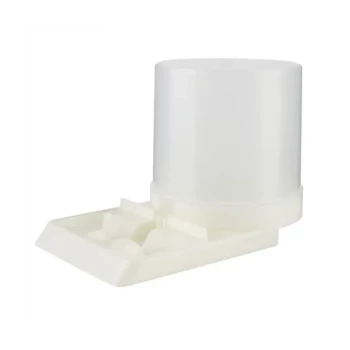
Entrance feeders and community feeders can attract bees from neighboring colonies. Open feeding and exposed syrup can create concentrated robbing pressure, especially during hot, dry weather.
Beekeepers should also avoid placing wet frames near the apiary. Strong aromatic additives in syrup should be avoided because they may attract foraging bees from a considerable distance.
Why Entrance Reducers and Closed Upper Gates Matter
They reduce the area that guards must defend
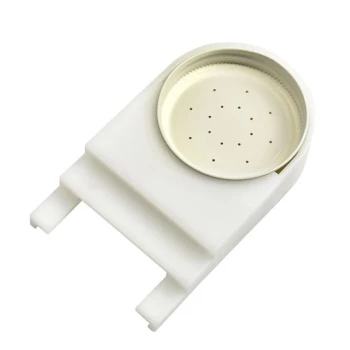
An entrance reducer narrows or reconfigures the hive entrance. This allows a smaller number of guard bees to monitor and defend the access point more effectively.
The benefit is greatest for weak colonies, nucleus colonies, or colonies under nutritional or pest-related stress.
They restrict alternative entry routes
Closing upper gates and other unnecessary openings reduces the number of routes available to robber bees. A colony can concentrate its defensive response at fewer, more manageable points.
Entrance reduction should still allow adequate ventilation, particularly in hot weather. The equipment must be adjusted according to colony strength and local conditions rather than applied without inspection.
They help contain a developing robbing event
Early signs of robbing may include fighting at the entrance, bees attempting to enter through cracks, persistent probing around hive joints, and unusual agitation. Reducing entrances promptly can make the colony more defensible while the beekeeper corrects the underlying trigger.
For distributors and commercial operators, adjustable entrance reducers and robber screens are practical inventory items because they support different colony sizes and seasonal conditions.
A Practical Dearth-Management Routine
Inspect quickly and deliberately
Hive inspections should be brief during a dearth. Leaving hive bodies open for extended periods exposes honey and brood areas and gives robber bees more opportunity to enter.
Use cloth covers or similar materials to keep opened sections covered. This helps limit access from above while maintaining a darker, cooler environment inside the hive.
Check colony strength and food reserves
Prioritize confirmation of queen presence, brood condition, colony population, and available honey reserves. Colonies that are weak, queenless, or short of stores require faster intervention than strong colonies with adequate reserves.
Artificial feed should supplement a sound management plan, not conceal an unresolved queen, pest, or disease problem.
Provide a reliable water source
Summer heat increases the colony’s need for water to regulate internal hive temperature. A dependable water source can reduce pressure on bees to search widely and helps support normal colony cooling behavior.
Water should be made available before bees establish an alternative source at a neighbor’s property or another difficult-to-control location.
Monitor pests, robbing, and entrances
During each inspection, look for robbing activity, predator access, damaged hive components, and gaps that could admit intruders. Entrance equipment should remain secure while preserving sufficient airflow.
Inspections should become more frequent when drought, extreme heat, or declining forage is widespread across the apiary.
Managing Colony Space Around the Dearth
Maintain adequate stores before harvesting
Honey should not be removed if doing so leaves a colony nutritionally vulnerable. In colder climates, substantial capped honey reserves may be required before winter, with the appropriate quantity depending on local conditions and management systems.
A summer dearth is a poor time to assume that the next nectar flow will arrive on schedule. Preserve a safety margin for colonies already experiencing stress.
Adjust supers as nectar conditions change
During strong nectar flows, expanding colonies may need additional supers to provide room for comb building, nectar storage, and evaporation. This prevents congestion when forage is abundant.
As the major bloom ends, supers can be repositioned to encourage bees to consolidate and cap honey rather than continuing to expand storage space unnecessarily.
Use modular equipment for rapid response
Standardized supers, frames, feeders, entrance reducers, and related equipment allow commercial apiaries to change hive configuration quickly. Reliable product availability and fast fulfillment matter because dearth conditions can intensify within days.
A supplier serving commercial beekeepers should therefore support the full workflow: feeding equipment, entrance-control hardware, frames, supers, and consumables rather than treating each item as an isolated purchase.
Understanding the Trade-offs
Entrance reduction is not a substitute for colony assessment
A reduced entrance helps a colony defend itself, but it cannot correct severe queenlessness, a dangerously small population, disease, or inadequate stores. Over-reducing access can also restrict traffic and ventilation if the setting is inappropriate for the colony or climate.
The correct approach is to match the opening to colony strength while monitoring conditions.
Feeding can create robbing if handled carelessly
Even internal feeding can contribute to robbing if syrup is spilled, equipment leaks, or the hive is left open. Feeders should be installed without exposing large areas of honey or syrup.
Open feeding, entrance feeding, wet frames, and scented additives are especially risky during a dearth because they make food easier for foreign bees to locate.
Artificial feed does not replace nectar in every respect
Supplementary syrup provides energy, but it should not be treated as a complete substitute for diverse forage. Colony management must still account for brood health, protein availability, water, pests, and the timing of future blooms.
Feeding decisions should be based on colony condition and local forage—not on a fixed calendar alone.
How to Apply This to Your Apiary
Use the following priorities when preparing equipment and procedures for a summer dearth:
- If your primary focus is preventing robbing: Replace entrance or community feeders with internal hive feeders, eliminate exposed food sources, and install appropriately adjusted entrance reducers.
- If your primary focus is protecting weak colonies: Close upper gates and unnecessary openings, inspect briefly, and reduce the defendable entrance area while maintaining ventilation.
- If your primary focus is maintaining colony strength: Provide supplementary feed when stores are inadequate, ensure dependable water, and monitor queen, brood, population, and pest status.
- If your primary focus is commercial fulfillment: Maintain ready access to feeders, entrance reducers, robber screens, frames, supers, and feeding consumables through a supplier capable of rapid response and consolidated delivery.
With concealed feeding, controlled entrances, disciplined inspections, and the right equipment available at the right time, apiaries can carry colonies safely through the summer nectar dearth.
Summary Table:
| Strategy | Purpose | Key Equipment |
|---|---|---|
| Internal Feeding | Conceal food source to prevent robbing | Internal hive feeders |
| Entrance Reduction | Limit defendable area for guard bees | Entrance reducers, robber screens |
| Rapid Inspections | Minimize exposure and stress | Hive tools, cloth covers |
| Water Provision | Support temperature regulation | Water sources, trays |
| Space Management | Adjust supers and stores for dearth | Supers, frames |
Ensure your apiary is prepared for summer dearths. HONESTBEE provides a full spectrum of beekeeping equipment, including internal feeders, entrance reducers, and robust hive components. Our rapid response and efficient order fulfillment keep your colonies strong and your business operational. For distributors and commercial beekeepers, we offer OEM/ODM support, competitive margins, and reliable supply. Contact us today to discuss your needs and secure ultra-fast delivery.
Related Products
- Professional In-Hive Bee Feeder HONESTBEE Frame for Beekeeping
- HONESTBEE Entrance Bee Feeder Professional Hive Nutrition Solution for Beekeeping
- In-Hive Dual Compartment Frame Bee Feeder for Targeted Colony Nutrition
- White Plastic 0.5L Beekeeping Entrance Feeder for Bees
- HONESTBEE Entrance Bee Feeder Efficient Hive Front Liquid Feeding Solution for Beekeeping
People Also Ask
- When should beekeepers stop feeding their bees? Let Your Bees Tell You
- Why is the use of a beekeeping feeder for syrup supplementation important? Boost Colony Growth and Survival
- What are the common types of internal and external feeders used in beekeeping? Choose the Right Feeder for Your Hive
- What is a feeder in the context of beekeeping? Optimize Your Hive Nutrition and Growth
- How do specialized feeders contribute to effective artificial feeding? Scientific Apiary Management & Colony Health