To properly store wax cappings prior to processing, you must place them in a cool, dark environment. Crucially, they must be sealed inside an airtight container to preserve their quality effectively.
Core Takeaway Unprocessed wax cappings are vulnerable to environmental degradation and pests. The most critical step is isolating the wax in a sealed environment to prevent spoilage before you are ready to render it.
Optimizing Storage Conditions
To ensure your cappings remain in viable condition for future processing, you must strictly control their environment.
Controlling Temperature and Light
You must store the container in a cool, dark place. Exposure to heat can cause the wax to become soft or sticky, making it difficult to handle later.
Additionally, keeping the wax away from direct light helps maintain the integrity of the material until you are ready to render it.
The Importance of the Container
Using an airtight container is non-negotiable.
Unprocessed cappings often contain residues of honey and pollen, which can attract moisture and contaminants from the outside air. A proper seal locks out humidity and preserves the wax in its current state.
Understanding the Trade-offs and Risks
While cool and dark storage is the standard recommendation, you must understand the inherent risks of storing unfiltered wax.
The Risk of Pests
Unfiltered beeswax, which includes raw cappings, is susceptible to pests. Unlike filtered wax, which is naturally resistant to wax moths because it lacks the cocoons they seek, raw wax can still be a target.
If your storage location is not sufficiently secure, pests may attempt to infest the material.
Freezing as a Safeguard
While the primary requirement is a cool and dark location, freezing offers the highest level of protection against pests.
According to supplementary technical data, unfiltered beeswax must be kept frozen to guarantee protection from infestations. If you have freezer space available, this is a superior trade-off compared to room-temperature storage.
Making the Right Choice for Your Goal
Depending on how long you intend to wait before processing, follow these specific guidelines:
- If your primary focus is short-term storage: Place the cappings in a sealed, airtight container in a cool pantry or basement to prevent immediate degradation.
- If your primary focus is long-term pest prevention: Place the airtight container in a freezer to eliminate any risk of wax moth infestation or spoilage.
By sealing your cappings against air and light immediately, you ensure a higher quality yield when you finally render your wax.
Summary Table:
| Storage Method | Recommended Duration | Temperature | Protection Level | Primary Benefit |
|---|---|---|---|---|
| Airtight Container | Short-term | Cool / Room Temp | Moderate | Prevents moisture & dust |
| Cool & Dark Place | Medium-term | < 20°C (68°F) | Moderate | Maintains wax structure |
| Freezing | Long-term | Below 0°C (32°F) | Maximum | Total pest & mold prevention |
Scale Your Apiary Operations with HONESTBEE
Preserving your wax yield is just the first step in a successful beekeeping enterprise. At HONESTBEE, we specialize in empowering commercial apiaries and distributors with the professional tools needed to turn raw materials into high-value products.
Whether you need industrial-grade honey-filling machines, precision hive-making machinery, or a steady supply of wholesale beekeeping consumables, we provide the full spectrum of equipment to optimize your production line. Our portfolio is designed to enhance your efficiency and market presence, from specialized hardware to honey-themed cultural merchandise.
Ready to upgrade your commercial beekeeping setup? Contact our expert team today to discuss how our wholesale solutions can drive your business growth.
Related Products
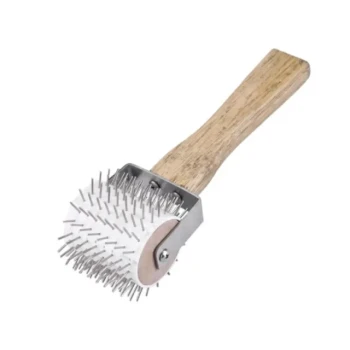
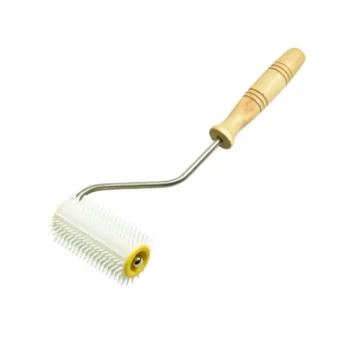
- Professional Honey Uncapping Roller for Efficient Harvesting
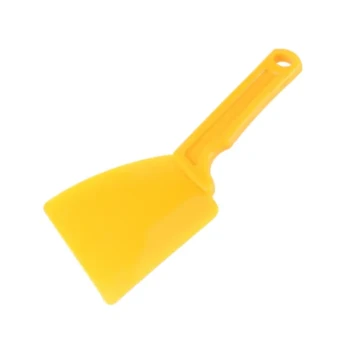
- Professional Honey Scraper for Efficient Apiary Maintenance
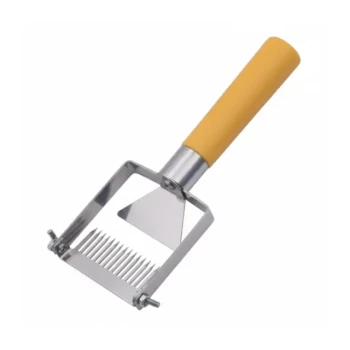
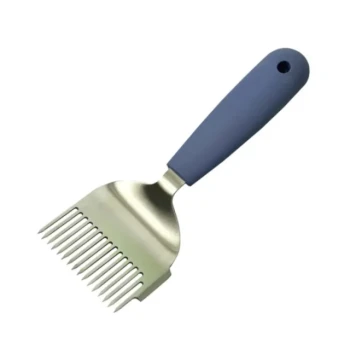
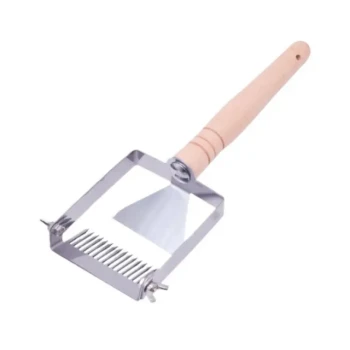
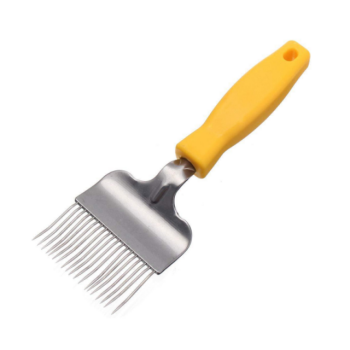
- Adjustable Stainless Steel Honey Uncapping Fork with Plastic Handle for Beekeeping
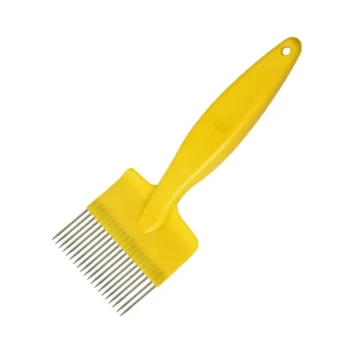
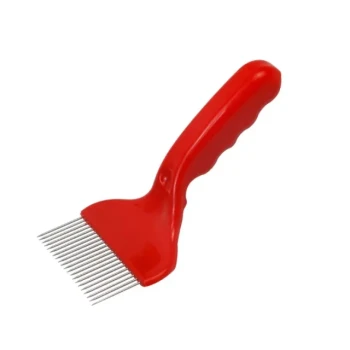
- Professional Durable Plastic Handle Honey Uncapping Fork
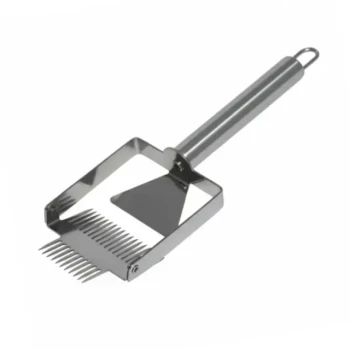
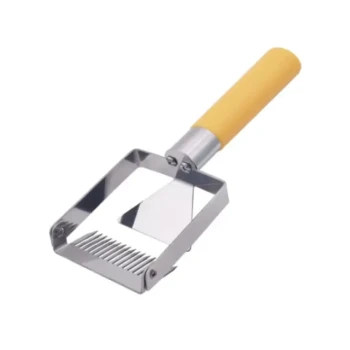
- Professional Multi-Function Uncapping Fork with Integrated Blade for Beekeeping
People Also Ask
- What other tools are available for honey uncapping besides knives? Find the Right Tool for Your Apiary's Scale
- What are the methods of uncapping honey? A Guide to Tools for Efficient Harvests
- What tools are available for uncapping honey? A Guide to Choosing the Right Tool for Your Operation
- What tools can be used to uncap honey cells? Expert Guide to Efficient Honey Extraction Equipment
- What are the essential tools for uncapping honey frames? Choose the Right Tool for Your Apiary