No—feeding propolis solutions or liquid resin extracts to honey bees is not recommended. Bees naturally collect plant resins and use them externally to coat hive surfaces, where propolis forms an antimicrobial barrier. They do not naturally consume propolis, and oral administration may disrupt the beneficial digestive microbiome that supports bee health, nutrition, and survival.
Propolis is a hive-construction material, not a nutritional supplement. Support bees by enabling natural resin collection and hive-wall construction rather than adding propolis extracts to feed.
Why Propolis Should Not Be Fed to Bees
Bees use propolis externally
Honey bees collect resin from plants and process it into propolis. They apply it to cracks, surfaces, and other areas inside the hive as part of the colony’s external antimicrobial defense.
This natural behavior does not indicate that bees should ingest propolis or resin extracts.
Strong antimicrobial activity creates a risk
Propolis has strong antibacterial and antifungal properties. Those properties can be useful as part of the hive’s external barrier, but they may be undesirable inside the digestive tract.
Oral administration could affect beneficial microorganisms that contribute to digestion, nutrition, and overall colony survival.
A liquid extract is not equivalent to natural hive use
A propolis solution or liquid resin extract changes the route and concentration of exposure. Feeding it places the material directly into the bees’ digestive system rather than allowing bees to collect and apply resins externally.
Therefore, a product designed for human, veterinary, or general botanical use should not automatically be marketed or used as bee feed.
How to Support Bees’ Natural Propolis Behavior
Provide suitable hive textures
Beekeepers should focus on hive box surfaces and textures that encourage bees to construct natural propolis walls. This supports the colony’s own behavior without introducing propolis into its feed.
The goal is to make the hive environment compatible with natural resin collection and application.
Treat propolis as a hive-management material
Propolis is better understood as part of the colony’s structural and defensive environment. It should not be positioned as a substitute for nutritional support such as appropriate feed, forage, or colony-management practices.
Keep product claims technically accurate
Distributors, wholesalers, and resellers should avoid describing propolis solutions or liquid resin extracts as bee nutritional supplements unless credible evidence and applicable regulatory approval support that specific use.
Clear positioning protects beekeepers from inappropriate applications and helps maintain trust across the supply chain.
Understanding the Trade-offs
Antimicrobial properties are not universally beneficial
The same antimicrobial activity that supports propolis’s role on hive surfaces may also affect useful microorganisms when introduced orally. More antimicrobial activity does not automatically mean better bee health.
The location of use matters: external hive protection and internal bee nutrition are different applications.
Natural collection does not justify artificial feeding
Bees naturally bring resin into the hive, but this does not establish that they benefit from consuming resin. Observing a natural external behavior is not sufficient evidence for an internal feeding recommendation.
Commercial convenience should not override biology
Liquid extracts may be easy to package, transport, and promote as value-added products. However, convenient formulation and fast fulfillment do not make a product appropriate for oral use by honey bees.
Technical suitability should come before portfolio expansion or sales positioning.
Making the Right Choice for Your Goal
Use the following principles when selecting, sourcing, or recommending propolis-related products:
- If your primary focus is bee health: Do not feed propolis solutions or liquid resin extracts; prioritize appropriate nutrition and sound colony-management practices.
- If your primary focus is hive management: Provide hive box textures and surfaces that support the bees’ natural external propolis construction.
- If your primary focus is product distribution: Position propolis products according to their appropriate non-feed applications and avoid unsupported nutritional claims for honey bees.
- If your primary focus is product development: Do not formulate propolis extracts as bee supplements without strong evidence demonstrating safety, efficacy, and regulatory suitability.
The safest approach is to respect propolis as an external hive defense and support the bees’ natural ability to use it.
Summary Table:
| Aspect | Recommended? | Reason |
|---|---|---|
| Feeding propolis solutions | No | Disrupts gut microbiome and nutrition |
| External use of propolis | Yes | Natural antimicrobial barrier |
| Encouraging resin collection | Yes | Supports natural hive construction |
| Selling propolis as bee feed | No | Unsupported and potentially harmful |
| Providing hive textures | Yes | Facilitates external propolis use |
Ensure your bee products are safe and effective for beekeepers. At HONESTBEE, we provide a full spectrum of beekeeping tools and equipment, from hive-making machinery to essential consumables, backed by professional expertise and rapid delivery. Whether you're a distributor looking to expand your portfolio or a beekeeper seeking reliable supplies, our one-stop sourcing and dedicated service can help. Contact us today to discuss your needs and discover how HONESTBEE supports your success with high-quality products and market insights.
Related Products
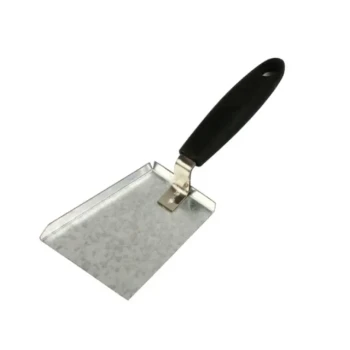
- Heavy-Duty Ergonomic Grip Galvanized Pollen Shovel
- Solar Beeswax Melter Easy Solar Wax Melter for Beeswax
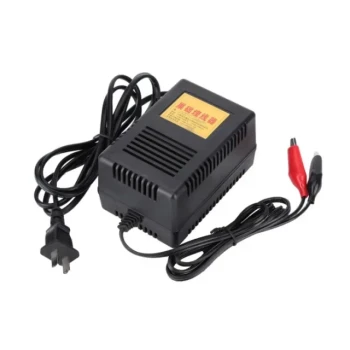
- HONESTBEE AC Powered Wire Embedder with Alligator Clips
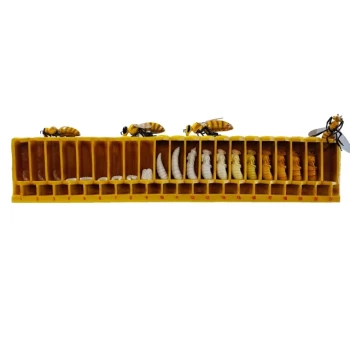
- Honey Bee Lifecycle Model: A Detailed Honeycomb Display of Bee Development
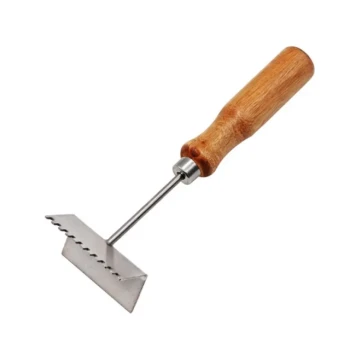
- Professional Dual Action Queen Excluder Scraper for Beekeeping
People Also Ask
- For what reasons do beekeepers collect bee pollen? Boost Hive Health and Unlock New Revenue Streams
- Why should commercial apiaries focus on the collection of diversified bee products? Maximize Your Hive’s Profit Potential
- How do bee pollen collection tools affect the quality of bee pollen used in functional dairy ice cream production?
- How does a specialized pollen collector facilitate the harvesting of diverse bee products? Automate High-Value Yields
- What is the impact of pollen collectors and associated equipment on the cost structure of pollen production? Maximize ROI