Plastic cup-cells serve as a robust, standardized alternative to traditional wax cups, specifically engineered to streamline the queen rearing process. By providing precise geometric specifications and superior durability, they eliminate the fragility associated with handmade wax cups and simplify the delicate task of larvae grafting. This shift toward durable materials is a critical component in upgrading beekeeping operations from artisanal methods to large-scale, consistent production.
The primary value of plastic cup-cells lies in their ability to standardize the rearing environment. While wax cups offer a natural feel, plastic cups provide the mechanical reliability and consistent dimensions required to scale honey bee queen production efficiently.
Driving Efficiency Through Standardization
Precise Geometric Consistency
Plastic cup-cells are manufactured to exact specifications, typically featuring a diameter of 8-9mm. This uniformity mimics the base of a natural queen cell, ensuring that every grafted larva has the same physical baseline for development.
Unlike handmade wax cups, which can vary in shape and thickness, plastic cups guarantee a consistent micro-environment. This ensures uniform space for royal jelly secretion and stable temperature and humidity conditions for the developing queen.
Enhanced Durability and Protection
Traditional wax cups are fragile and prone to deformation during handling or installation onto frame bars. Plastic cups offer superior physical strength, maintaining their shape regardless of how they are handled.
This rigidity provides better protection for the larvae against mechanical damage during the grafting and transport process. It ensures the cup remains viable and structurally sound from the moment of grafting until the cell is capped.
Sanitation and Reusability
Plastic cups are significantly easier to maintain than their wax counterparts. Their material allows for rigorous cleaning and disinfection protocols without degrading the cup's structure.
This capability facilitates high-volume batch operations, as cups can be reused across multiple cycles. This reduces the labor required to constantly mold new wax cups and minimizes waste in commercial workflows.
Understanding the Trade-offs
The Biological vs. Mechanical Balance
While plastic offers logistical superiority, it is important to recognize the biological advantages of wax. Natural beeswax cups closely mimic the honeybee's innate nesting environment, which can trigger a stronger rearing impulse in nurse bees.
Acceptance Rates
Some research indicates that wax cups may yield higher initial acceptance rates of grafted larvae compared to plastic. The material composition of wax is familiar to the bees, potentially leading to virgins with slightly better morphological characteristics in artisanal settings.
However, in large-scale production, the slight dip in acceptance is often outweighed by the massive gains in workflow speed, consistency, and durability provided by plastic.
Making the Right Choice for Your Goal
To select the best tool for your apiary, consider your operational scale and primary objectives:
- If your primary focus is Commercial Scale and Efficiency: Choose plastic cup-cells to maximize durability, streamline cleaning workflows, and ensure consistent batch production.
- If your primary focus is Artisanal Quality or High Acceptance: Choose natural wax cups to maximize the biological "nesting" cues and potentially increase the acceptance rate of individual larvae.
Standardization is the key to scalability; plastic cups provide the reliable hardware necessary to turn queen rearing into a predictable science.
Summary Table:
| Feature | Plastic Cup-Cells | Traditional Wax Cups |
|---|---|---|
| Consistency | Exact geometric uniformity (8-9mm) | Variable shape and thickness |
| Durability | High; resistant to deformation | Fragile; prone to mechanical damage |
| Maintenance | Easy to disinfect and reuse | Single-use or difficult to clean |
| Scalability | Ideal for high-volume commercial use | Best for small-scale artisanal use |
| Acceptance | Requires proper cleaning for high rates | Naturally high biological acceptance |
Scale Your Queen Rearing Operation with HONESTBEE
Transitioning from artisanal methods to high-volume commercial production requires reliable hardware and precision engineering. HONESTBEE is dedicated to supporting commercial apiaries and distributors by providing a comprehensive range of professional beekeeping tools and machinery.
Whether you need standardized plastic cup-cells for consistent queen rearing, advanced hive-making equipment, or specialized honey-filling machines, our portfolio is designed to enhance your operational efficiency and output. We offer the full spectrum of industry consumables and honey-themed cultural merchandise to help your business thrive.
Ready to upgrade your apiary’s performance? Contact us today to learn more about our wholesale offerings and how our expertise can benefit your beekeeping enterprise.
References
- Batllori Sampedro Eduardo Adolfo. The Beekeeping Areas of the State of Yucatán, for the Promotion of their Rational Use and the Transition Towards Organic Honey Production and Botanical Certification. DOI: 10.33425/2770-2928.1029
This article is also based on technical information from HonestBee Knowledge Base .
Related Products
- JZBZ Type Wide Base Plastic Queen Cell Cups for Base Mounting and Queen Rearing
- Clear Black Plain Polystyrene Queen Bee Grafting Cell Cups No Lug for Bee Queen Cup
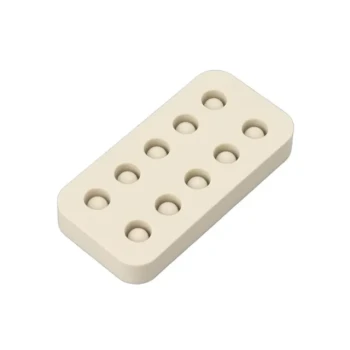
- 10-Cell Silicone Beeswax Bee Queen Cups Forming Mold
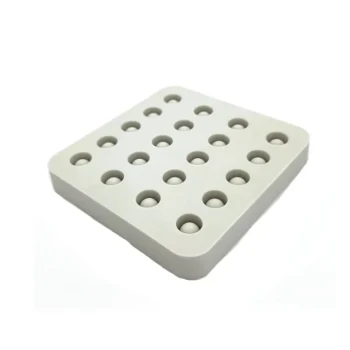
- High-Efficiency 20-Cell Silicone Mold for Beeswax Bee Queen Cup Production
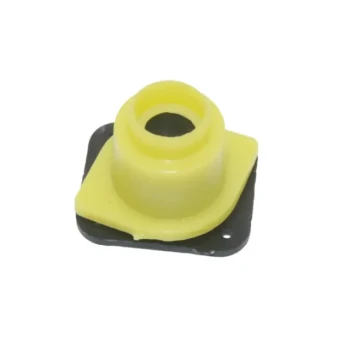
- JZBZ Push-In Queen Cell Cups for Beekeeping
People Also Ask
- What are the primary advantages of using plastic queen cell cups? The Industrial Choice for High-Efficiency Apiaries
- What technical advantages do commercial plastic queen cell cups offer? Scale Your Queen Rearing for Maximum Efficiency
- What is the function of standardized plastic Queen Cell Cups? Boost Efficiency in Commercial Larval Grafting
- Why are standardized plastic queen cell cups preferred? Boost Commercial Queen Rearing Efficiency
- Why are standardized plastic queen cell cups typically used in large-scale queen bee production? Boosting Apiary Output