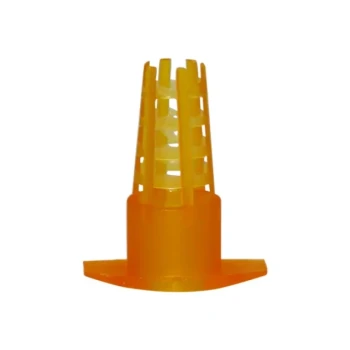
Standardized plastic Queen Cell Cups serve as high-durability, precision-molded carriers specifically engineered to house queen bee larvae during commercial rearing. Unlike irregular wax cups, their primary function is to provide a consistent physical geometry that ensures the uniform retention of royal jelly at the base of the cell. Furthermore, their specialized exterior structure facilitates stable, secure installation onto the crossbeams of rearing frames, a mechanical necessity for achieving high larval acceptance rates in large-scale operations.
The shift to standardized plastic cups allows commercial operations to eliminate the variability of traditional wax, creating a stable and hygienic environment that maximizes royal jelly accumulation and streamlines the grafting workflow.
The Role of Standardization in Larval Development
Ensuring Uniform Royal Jelly Retention
The most critical biological function of the plastic cup is to act as a consistent reservoir for nutrition. Because the cups are manufactured to precise specifications, they eliminate the irregularities found in hand-dipped wax cups.
This consistency ensures that when worker bees secrete royal jelly, it is retained uniformly at the base. Adequate and consistent nutrition is the deciding factor in producing queens with high physiological quality and superior egg-laying capacity.
Structural Stability on Rearing Frames
In commercial grafting, mechanical stability is just as important as biological suitability. Plastic cups are designed with a specific exterior structure that locks firmly onto the crossbeams of grafting frames.
This secure fit prevents the cups from dislodging during handling or hive inspection. By stabilizing the larva's environment, apiarists can significantly increase the rate of larval acceptance by the nurse bees.
Operational Efficiency and Hygiene
Facilitating Industrial Scale
Plastic (often acrylic) cups transform queen rearing from a craft into an industrial process. They provide a standardized base space that simulates the physical structure of natural queen cells but with the durability required for repetitive use.
The smooth surface of materials like acrylic reduces friction and resistance, facilitating the easy transfer of delicate larvae during the grafting process.
Hygiene and Reusability
Unlike wax, which is porous and difficult to sterilize without destruction, high-quality plastic cups are designed for thorough cleaning and disinfection.
After the harvest of queens or royal jelly, the cups can be washed and sanitized. This capability maintains high hygiene standards across production cycles, reducing the risk of pathogen transmission between hives.
Understanding the Trade-offs
While standardized plastic cups offer superior durability and consistency, they introduce specific operational requirements that differ from traditional wax methods.
Maintenance vs. Creation
Traditional wax cups are often single-use or melted down, whereas plastic cups require a dedicated cleaning and sterilization protocol. Failure to properly disinfect these reusable cups can lead to the persistence of disease or scent markers that may lower future acceptance rates.
Initial Investment
Implementing a standardized plastic system requires an upfront investment in compatible frames and crossbeams. Unlike wax, which can be formed from hive scrap, plastic cups represent a manufactured cost that must be amortized over many production cycles to be economical.
Making the Right Choice for Your Goal
To maximize the efficacy of your grafting process, align your tools with your operational scale.
- If your primary focus is Scalability and Efficiency: Adopt standardized plastic or acrylic cups to ensure rapid, secure installation on crossbeams and to utilize their reusable nature for lower long-term costs.
- If your primary focus is Larval Quality Control: Leverage the consistent geometry of plastic cups to guarantee uniform royal jelly retention, ensuring every queen larva receives identical nutritional support.
By standardizing the physical carrier of the larva, you convert a variable biological process into a reliable, repeatable production system.
Summary Table:
| Feature | Plastic Queen Cell Cups | Traditional Wax Cups |
|---|---|---|
| Geometry | Precision-molded & Uniform | Irregular & Hand-formed |
| Durability | High (Reusable after sterilization) | Low (Single-use/Melted down) |
| Retention | Consistent Royal Jelly accumulation | Variable nutritional retention |
| Installation | Secure mechanical locking | Fragile manual attachment |
| Hygiene | Easy to sanitize & disinfect | Difficult to clean without damage |
Elevate Your Apiary with HONESTBEE’s Professional Equipment
Maximize your queen rearing yields and operational efficiency with HONESTBEE’s comprehensive wholesale solutions. As a leading supplier for commercial apiaries and distributors, we provide everything from precision-molded queen cell cups to advanced hive-making and honey-filling machinery.
Whether you need high-durability consumables or specialized hardware to scale your production, HONESTBEE delivers the industrial-grade tools required for modern beekeeping success. Partner with us to access our full spectrum of beekeeping equipment and cultural merchandise.
Ready to scale your commercial operation? Contact us today to explore our wholesale offerings!
References
- H. El-Kady, Noura Abd Al-Hady. Effect of Genotype of Grafted Larvae and Rearing Bar Level on some Economic Traits in Commercial Production of Honeybee Queens under Damietta Governorate Conditions, North Egypt. DOI: 10.21608/jppp.2021.153280
This article is also based on technical information from HonestBee Knowledge Base .
Related Products
- JZBZ Type Wide Base Plastic Queen Cell Cups for Base Mounting and Queen Rearing
- Clear Black Plain Polystyrene Queen Bee Grafting Cell Cups No Lug for Bee Queen Cup
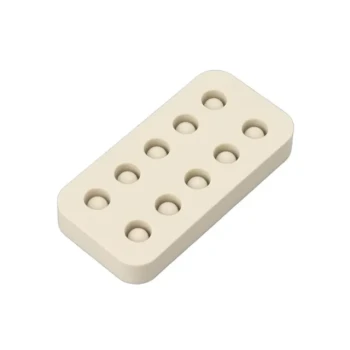
- 10-Cell Silicone Beeswax Bee Queen Cups Forming Mold
- Brown Nicot Queen Cell Cups for Breeding Queen Bees Beekeeping
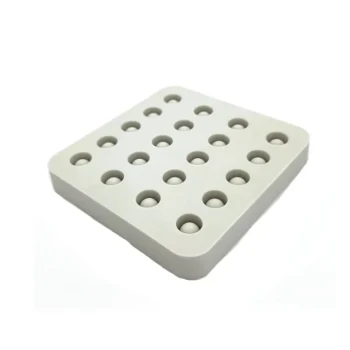
- High-Efficiency 20-Cell Silicone Mold for Beeswax Bee Queen Cup Production
People Also Ask
- What is the primary function of commercial plastic queen cell cups? Driving Efficiency in Mass Queen Rearing
- What are the primary advantages of using plastic queen cell cups? The Industrial Choice for High-Efficiency Apiaries
- What technical advantages do commercial plastic queen cell cups offer? Scale Your Queen Rearing for Maximum Efficiency
- Why are standardized plastic queen cell cups preferred? Boost Commercial Queen Rearing Efficiency
- Why are standardized plastic queen cell cups typically used in large-scale queen bee production? Boosting Apiary Output