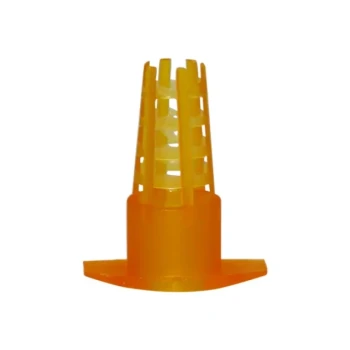
Commercial plastic queen cell cups serve as the standardized foundational substrate for artificial honeybee larval development. They provide an independent, uniform growth space that mimics natural queen cells, allowing for precise monitoring of larval molting and survival. By isolating each larva within its own liquid diet, these cups ensure the consistent developmental conditions necessary for successful large-scale queen production and royal jelly harvesting.
Plastic queen cell cups are essential consumables that standardize the rearing environment, ensuring high larval survival rates and facilitating the mass propagation of honeybee strains. For distributors and wholesalers, these products represent a high-demand, mission-critical component of professional apiculture supply chains.
The Standard for Modern Bee Rearing Operations
Simulating the Natural Developmental Environment
Plastic queen cell cups are engineered to replicate the physical structure and internal volume of natural queen cell bases. This precise design encourages nurse bees to efficiently secrete royal jelly, ensuring the larvae receive the nutrition required for healthy development.
Precision Monitoring and Individualized Care
The independent nature of each cup allows technical personnel to track the developmental progress of every larva individually. This granular level of oversight is critical for maintaining high success rates in artificial in vitro settings where survival must be measured at every molting stage.
Material Stability and Operational Ease
High-quality plastic offers superior stability and ease of cleaning compared to traditional beeswax methods. This durability ensures that the cups remain a reliable staple in a commercial operation, facilitating efficient cleaning and reuse in large-scale cycles.
Driving Commercial Success for Wholesalers
Scalability and Large-Scale Management
These cups are designed to be fixed onto grafting frames in high volumes. This standardization enables professional beekeepers to manage thousands of cells simultaneously, which is vital for commercial queen production and high-yield royal jelly collection.
Efficiency in Order Fulfillment and Sourcing
For B2B resellers, offering a comprehensive, full-spectrum product portfolio that includes these standardized consumables is key to becoming a one-stop source. Partnering with suppliers who provide deep industry expertise and ultra-fast delivery ensures that your inventory keeps pace with the seasonal demands of the apiculture industry.
Professional Pathogen Control
In research and high-end queen rearing, these cups enable the convenient collection of royal jelly for viral pathogen testing. Providing a standardized developmental space allows for unified management and cleaner sample extraction, a major selling point for professional labs and breeding stations.
Understanding the Trade-offs: Plastic vs. Beeswax
Bio-affinity and Acceptance Rates
While plastic cups offer durability and standardization, some research indicates that natural beeswax cups may have higher initial acceptance rates by worker bees. However, for large-scale commercial operations, the efficiency and consistency of plastic usually outweigh the slight bio-affinity advantages of wax.
Material Quality Sensitivity
The chemical properties of the cup material can directly impact the emergence rate of the queens. It is crucial to source cups that are manufactured to strict technical standards to avoid potential toxicity or low acceptance by the colony.
Strategic Sourcing for Your Business
To maximize your profit potential and provide the best value to your clients, your sourcing strategy should reflect their specific production goals.
- If your primary focus is high-volume commercial production: Prioritize plastic cups that offer radical consistency and compatibility with standard grafting frames to ensure rapid order fulfillment and operational scale.
- If your primary focus is premium queen breeding and research: Invest in high-grade, food-quality plastic consumables that emphasize material purity and standardized internal volumes for precise data collection.
- If your primary focus is building a loyal B2B client base: Partner with a supplier that offers a deep professional portfolio and rapid response times to ensure your customers never face downtime during the critical grafting season.
By providing high-quality, standardized queen cell cups, you empower your customers to achieve the consistent rearing results necessary for a successful apiculture business.
Summary Table:
| Feature | Function in Larval Rearing | Business Benefit for Wholesalers |
|---|---|---|
| Standardized Geometry | Mimics natural queen cells for optimal acceptance. | Ensures consistent results across large-scale apiaries. |
| Individual Isolation | Prevents cross-contamination and allows precise monitoring. | Enables high-quality control and higher larval survival rates. |
| Material Durability | Supports easy cleaning and multiple reuse cycles. | Lowers long-term overhead costs for commercial clients. |
| High Compatibility | Fits standard grafting frames and automated machinery. | Simplifies inventory for one-stop sourcing and fulfillment. |
Scale Your Distribution Business with HONESTBEE
Are you looking to streamline your supply chain with a reliable, one-stop wholesale partner? HONESTBEE specializes in serving commercial apiaries and B2B resellers with a comprehensive portfolio of beekeeping tools, specialized machinery—such as hive-making and honey-filling equipment—and high-demand consumables like standardized queen cell cups.
By partnering with us, you gain access to:
- Deep Industry Expertise: Products engineered for professional-grade performance.
- Ultra-Fast Fulfillment: Rapid response times and efficient delivery to meet seasonal demands.
- Premium Trading Services: Dedicated support to help you maximize profit margins and supply reliability.
Ready to elevate your inventory with industry-leading beekeeping solutions? Contact us today to request a wholesale quote!
References
- Daiana de Souza, Scott H. McArt. Acute toxicity of the fungicide captan to honey bees and mixed evidence for synergism with the insecticide thiamethoxam. DOI: 10.1038/s41598-024-66248-x
This article is also based on technical information from HonestBee Knowledge Base .
Related Products
- JZBZ Type Wide Base Plastic Queen Cell Cups for Base Mounting and Queen Rearing
- Clear Black Plain Polystyrene Queen Bee Grafting Cell Cups No Lug for Bee Queen Cup
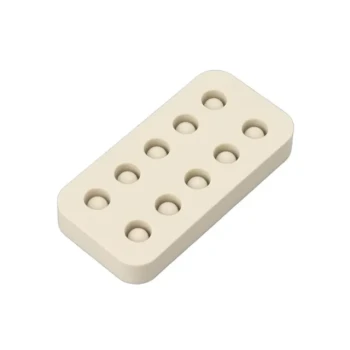
- 10-Cell Silicone Beeswax Bee Queen Cups Forming Mold
- Brown Nicot Queen Cell Cups for Breeding Queen Bees Beekeeping
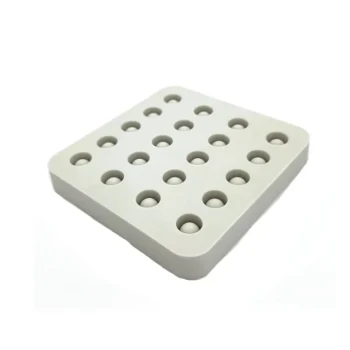
- High-Efficiency 20-Cell Silicone Mold for Beeswax Bee Queen Cup Production
People Also Ask
- What are the primary advantages of using plastic queen cell cups? The Industrial Choice for High-Efficiency Apiaries
- What technical advantages do commercial plastic queen cell cups offer? Scale Your Queen Rearing for Maximum Efficiency
- What is the function of standardized plastic Queen Cell Cups? Boost Efficiency in Commercial Larval Grafting
- Why are standardized plastic queen cell cups preferred? Boost Commercial Queen Rearing Efficiency
- Why are standardized plastic queen cell cups typically used in large-scale queen bee production? Boosting Apiary Output