High-quality timber, specifically Araucaria, offers distinct biological and logistical advantages over plastic materials for hive construction. Its primary benefits lie in creating a superior thermal barrier that suppresses harmful condensation and providing the physical friction necessary to stabilize hives during transport.
The choice between timber and plastic is a choice between biological optimization and mechanical durability. While plastic resists wear, high-quality timber actively contributes to the colony's climate control and integrates seamlessly into standardized migratory operations.
The Biological Advantage: Thermal Regulation
Superior Insulation Properties
High-quality timber like Araucaria acts as a natural insulator. It buffers the colony against external temperature fluctuations much more effectively than plastic.
Condensation Suppression
The most critical function of timber is its ability to manage the thermal interface between the moist hive interior and the cold exterior.
Plastic surfaces often become cold, causing internal moisture to condense into water droplets that can chill and kill bees. Timber suppresses this condensation, maintaining a drier, healthier environment for the brood.
Operational and Logistical Efficiency
Stability During Transport
For migratory beekeepers, the friction coefficient of the hive material is a safety factor.
Plastic hives are prone to sliding when stacked on pallets. Wooden hives offer greater structural stability, significantly reducing the risk of load shifts or sliding during long-distance migration.
Standardization and Interchangeability
High-quality timber allows for high dimensional precision during manufacturing.
This ensures that frames, supers, and other components are fully interchangeable between units. This compatibility is essential for mechanized operations in commercial apiaries, allowing for efficient swapping of parts without jamming or gaps.
Cost-Effective Disease Management
In the unfortunate event of severe infections like American Foulbrood (AFB), the disposal method for the material matters.
Infected wooden frames and boxes can be burned, a definitive and low-cost method of sterilization. Plastic components often require expensive radiation treatments to be safely reused, or they become non-renewable waste.
Understanding the Trade-offs
Durability and Pests
Plastic wins on pure longevity. It comes pre-assembled, resists splitting, and is impervious to wax moths, which can damage wooden components.
Ease of Maintenance
Plastic is easier to clean and can withstand pressure washing and high-speed honey extractors without damage. Wood requires more careful handling and periodic maintenance to prevent rot.
Colony Acceptance
Bees generally accept wood naturally. There is a risk with plastic foundations that the colony may reject the material, especially if the cell size does not match their preference or the wax coating is insufficient.
Making the Right Choice for Your Goal
- If your primary focus is Colony Health and Overwintering: Choose high-quality timber (Araucaria) to maximize thermal insulation and minimize condensation risks.
- If your primary focus is Migratory Beekeeping: Choose timber for the necessary friction and stability required to safely stack and transport hives on pallets.
- If your primary focus is Pest Resistance and Cleaning: Consider plastic components for their durability against wax moths and ability to withstand pressure washing.
Ultimately, while plastic offers convenience, high-quality timber remains the superior choice for managing the colony's biological environment and the logistics of large-scale operations.
Summary Table:
| Feature | High-Quality Timber (Araucaria) | Plastic Materials |
|---|---|---|
| Thermal Insulation | Superior; natural buffer against fluctuations | Low; prone to external temperature influence |
| Moisture Control | High; suppresses harmful condensation | Low; promotes water droplet formation |
| Transport Safety | High friction; stable for pallet stacking | Low friction; prone to sliding during transit |
| Sterilization | Easy disposal via burning (e.g., AFB control) | Requires costly radiation treatment |
| Pest Resistance | Susceptible to wax moths | Highly resistant to pests |
| Interchangeability | High precision via CNC machining | High consistency via molding |
Elevate Your Apiary with HONESTBEE’s Premium Solutions
Choosing the right material is critical for the health of your colonies and the efficiency of your business. At HONESTBEE, we specialize in supporting commercial apiaries and distributors with high-performance beekeeping tools and machinery.
Whether you need precision-crafted Araucaria beehives, industrial-grade honey-filling machines, or a reliable supply of wholesale beekeeping consumables, we provide the full spectrum of equipment to scale your operations. Our specialized hardware and honey-themed merchandise are designed to give your brand a competitive edge in the global market.
Ready to upgrade your equipment or stock your distribution line? Contact our expert team today to discuss your wholesale needs!
References
- Daniel Leonard Rankin Cook, Caroline Hauxwell. Perspectives on Pollination. DOI: 10.2139/ssrn.3964582
This article is also based on technical information from HonestBee Knowledge Base .
Related Products
- Wholesales Dadant Size Wooden Bee Hives for Beekeeping
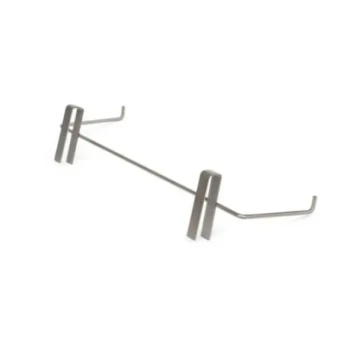
- Heavy-Duty Stainless Steel Clip-On Frame Perch
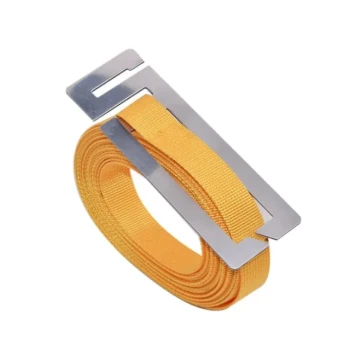
- Heavy-Duty Nylon Beehive Hive Strap with Stainless Steel Cinch Buckle
- Australian Langstroth Beehive Boxes for Beekeeping Wholesales
- Wooden Bee Hive Frames for Beekeeping and Wholesale
People Also Ask
- What are the strategic benefits of installing beekeeping hives at an elevation of 1 to 6 meters? Protect Your Assets
- What are the key advantages of modern improved beekeeping hives? Scale Your Honey Yield and Production Efficiency
- What is the proper way to store unused bee hives? Expert Stacking Tips for Equipment Longevity
- What are the 2 types of bee hives? Langstroth vs. Top-Bar for Your Apiary
- How does the design of improved beekeeping hives contribute to maintaining honey quality and purity? Enhancing Purity