Starting a honeybee colony with pre-existing drawn comb is a strategic operational decision that provides immediate biological infrastructure for rapid hive establishment.
By utilizing drawn comb, beekeepers eliminate the metabolic delay and resource cost associated with wax production, allowing the queen to begin egg-laying immediately. This "turnkey" approach accelerates population growth and provides a critical safety net for food storage during early spring; however, it introduces significant biosecurity risks, including the potential transmission of persistent pathogens and chemical residues.
Utilizing pre-existing drawn comb offers a significant head start in colony expansion and resource security, but it requires a rigorous sourcing strategy to mitigate the risks of disease transmission and chemical accumulation.
Accelerating Colony Production and Scaling
Immediate Population Expansion
Drawn comb allows the queen to begin laying eggs within hours of colony installation, rather than waiting days or weeks for workers to secrete wax. This immediate start translates to a more robust worker population earlier in the season, which is critical for maximizing honey production windows.
Strategic Resource Management and Security
Pre-existing comb provides a built-in storage solution for honey and pollen, offering essential survival security during unpredictable early-season weather. This infrastructure ensures that package bees or newly settled swarms achieve consistent weights and health metrics much faster than those starting on foundation alone.
Swarm Prevention and Stability
Introducing drawn comb into strong hives provides immediate relief for overcrowded queens, effectively reducing the internal pressure that triggers swarming behavior. This maintains a stable, high-production environment across a large-scale apiary operation.
Managing Operational Risks and Contamination
Pathogen and Disease Transmission
The most significant risk is the introduction of virulent diseases, such as American Foul Brood (AFB), which can persist in old wax for decades. Sourcing comb from unverified or "dead-out" hives without professional inspection can lead to catastrophic losses across an entire operation.
Chemical Residue Accumulation
Beeswax is lipophilic, meaning it absorbs and stores chemical treatments, pesticides, and environmental toxins over time. Utilizing older, recycled comb can expose new colonies to these residues, which may impact brood viability and the long-term health of the queen.
Impact on Product Purity
Using drawn comb in conjunction with heavy sugar syrup feeding can lead to the storage of "adulterated honey" in the cells. For distributors and resellers focused on premium honey harvests, this practice can compromise the purity and market value of the final product.
Understanding the Trade-offs
Speed vs. Biosecurity
The decision to use drawn comb is a direct tradeoff between short-term productivity and long-term biological security. While it provides an undeniable economic "head start," it requires constant vigilance and a dedicated disease monitoring program to be successful.
Infrastructure Longevity
While drawn comb is a valuable asset, it is not permanent; regular comb replacement is a critical industry best practice for disease control. Professional beekeepers must balance the use of existing combs for colony starts with a rotation strategy that introduces fresh wax foundations to minimize pathogen buildup.
Optimizing Your Hive Sourcing Strategy
As a distributor or professional reseller, your priority is providing high-performance solutions that guarantee client success and sustainable growth.
- If your primary focus is rapid market entry and scaling: Prioritize the use of high-quality, pre-drawn combs to ensure your clients' colonies achieve maximum productivity and population density in their first season.
- If your primary focus is long-term colony health and bio-security: Recommend a hybrid approach where drawn comb is used selectively alongside fresh foundation from verified, chemical-free sources.
- If your primary focus is premium honey production: Advise clients to monitor forage windows closely and limit syrup feeding on drawn comb to ensure the final harvest meets the highest standards of purity.
By partnering with a supplier that offers a full-spectrum portfolio of professional beekeeping tools and expertise, you can ensure your customers have the reliable infrastructure needed for both rapid establishment and long-term hive vitality.
Summary Table:
| Category | Key Benefits | Potential Risks & Mitigation |
|---|---|---|
| Population | Immediate egg-laying; faster worker buildup. | Disease transmission (e.g., AFB); requires inspection. |
| Resources | Built-in storage for honey/pollen; weather security. | Chemical residue accumulation in old wax cells. |
| Management | Prevents swarming by relieving hive pressure. | Adulteration risk if feeding heavy syrup on old comb. |
| Operations | Strategic scaling for commercial operations. | Infrastructure longevity; needs regular wax rotation. |
Empower Your Apiary Network with HONESTBEE
Maximize your profit margins and supply reliability by partnering with HONESTBEE, your premium one-stop sourcing partner for commercial beekeeping excellence. We cater specifically to distributors, wholesalers, and B2B resellers with a comprehensive, full-spectrum product portfolio designed for rapid scaling and professional success.
Why Choose HONESTBEE?
- Comprehensive Inventory: From specialized hardware like hive-making and honey-filling machines to essential industry consumables and cultural merchandise.
- Operational Excellence: Benefit from our ultra-fast delivery, efficient order fulfillment, and deep industry expertise.
- Dedicated Support: We provide rapid response times and exceptional customer service to ensure your supply chain remains uninterrupted.
Ready to elevate your wholesale offering with high-performance beekeeping tools and machinery?
Contact HONESTBEE Today to Discuss Your Wholesale Needs
Related Products
- Heart-Shaped Comb Honey Frame and Honeycomb Cassette
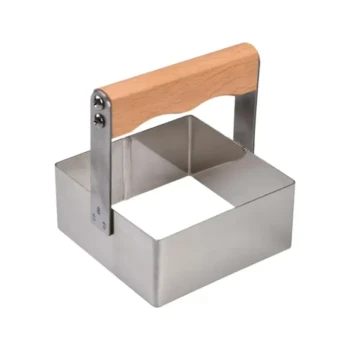
- Heavy Duty Stainless Steel Honeycomb Cutter
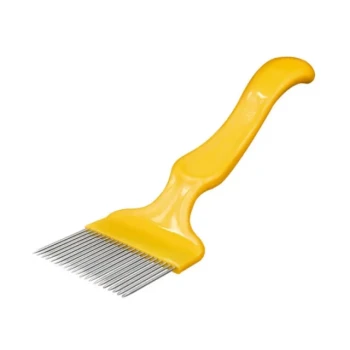
- Professional Honey Uncapping Fork Tool with Customizable Tine Options
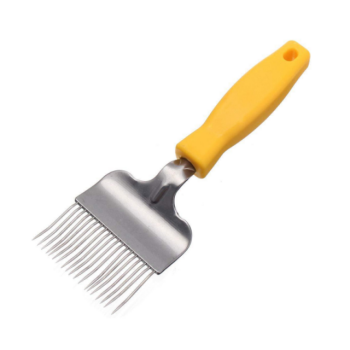
- Professional Bent Tine Honey Uncapping Fork with Ergonomic Grip
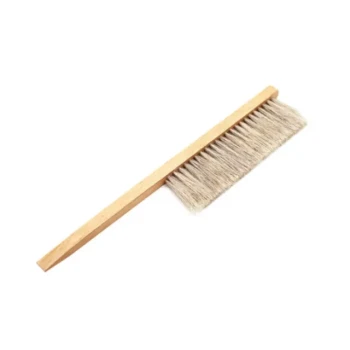
- Wooden Bee Brush with Double-Row Horsehair Bristles
People Also Ask
- How are honeybee combs utilized for non-destructive colony monitoring? Master Population Density Tracking
- What is a honeycomb frame? The Key to Modern, Sustainable Beekeeping
- What is the technical purpose of exchanging honeycomb frames? Master Apiary Equalization for Growth
- What frame to use for honeycomb? Choose the Right System for Pure, Edible Comb
- What is the significance of sampling honeycomb frames and hive bottoms? A Guide to Scientific Sanitation Monitoring