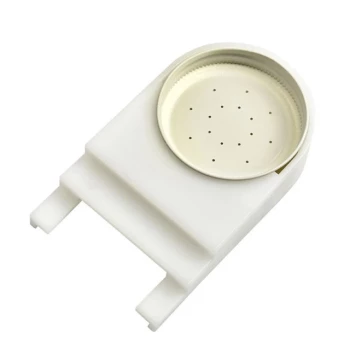
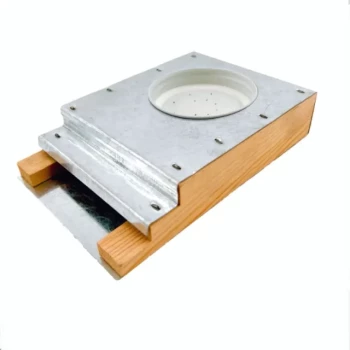
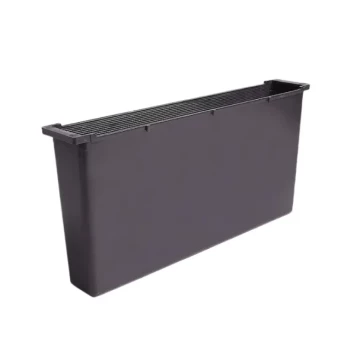
The Division board feeder functions as an integral component of the hive's internal structure, enabling the highly controlled delivery of medicated syrup directly to the colony. By placing treatments inside the nest, it facilitates precise dosing while protecting chemical agents from environmental degradation.
Success in experimental treatments requires a balance between rigorous dosage control and natural bee behavior. The Division board feeder achieves this by simulating natural food distribution processes while isolating the treatment from external weather factors.
Ensuring Data Integrity Through Environmental Protection
Prevention of Chemical Degradation
Experimental agents, such as pesticides or specific medications, are often sensitive to external elements. By housing the syrup within the hive body, the Division board feeder shields these agents from sunlight and temperature fluctuations. This prevents the premature breakdown of the chemical, ensuring the colony receives the intended potency.
Eliminating External Variables
Placement within the nest structure drastically reduces the influence of outside factors. Unlike external feeding methods, this internal integration minimizes the risk of the treatment being diluted by rain or compromised by external contaminants.
Optimizing Colony Uptake
Simulating Natural Distribution
Bees are naturally inclined to manage resources found within their own nest. The Division board feeder mimics these natural food distribution processes. This encourages the bees to interact with the medicated syrup as they would with their own stores.
Achieving Uniform Consumption
For experimental data to be valid, the treatment must be ingested consistently by the population. The internal design promotes uniform consumption across the colony. This ensures that the specific dose administered is actually processed by the bees rather than ignored or rejected.
Operational Considerations
Integration vs. Accessibility
The defining feature of this feeder is its integration into the internal hive structure. While this offers superior protection, it means the feeder occupies space inside the hive boxes. Accessing the feeder to monitor levels or refill the treatment requires interacting with the internal hive environment.
Making the Right Choice for Your Research
- If your primary focus is Dosage Stability: Choose the Division board feeder to prevent environmental exposure from altering your chemical agents.
- If your primary focus is Behavioral Accuracy: Use this method to ensure the treatment is consumed via natural distribution processes within the nest.
By prioritizing internal integration, the Division board feeder transforms the hive itself into a controlled laboratory environment.
Summary Table:
| Key Feature | Benefit for Experimental Research |
|---|---|
| Internal Integration | Shield agents from sunlight, rain, and temperature fluctuations. |
| Simulated Foraging | Encourages natural uptake and uniform distribution across the colony. |
| Potency Protection | Prevents premature chemical degradation of sensitive medications. |
| Data Integrity | Minimizes external variables by turning the hive into a controlled environment. |
Maximize Your Colony Productivity with HONESTBEE
Precision is the backbone of successful beekeeping, whether you are conducting rigorous research or scaling a commercial operation. HONESTBEE provides a comprehensive wholesale catalog designed specifically for commercial apiaries and distributors. From specialized Division board feeders and hive-making machinery to advanced honey-filling equipment and essential consumables, we supply the tools you need to ensure operational efficiency.
Why partner with HONESTBEE?
- Full Spectrum Supply: Everything from hardware to honey-themed cultural merchandise.
- Built for Professionals: High-durability equipment tailored for high-volume use.
- Global Distribution: Reliable sourcing for distributors worldwide.
Ready to elevate your apiary infrastructure? Contact us today to discuss our wholesale offerings and discover how our expertise can drive your business growth.
References
- Judy Wu‐Smart, Marla Spivak. Sub-lethal effects of dietary neonicotinoid insecticide exposure on honey bee queen fecundity and colony development. DOI: 10.1038/srep32108
This article is also based on technical information from HonestBee Knowledge Base .
Related Products
- Classic Boardman Entrance Bee Feeder Hive Front Feeding Solution
- Boardman Entrance Bee Feeder Durable Galvanized Steel and Wood Construction for Beekeeping
- In-Hive Dual Compartment Frame Bee Feeder for Targeted Colony Nutrition
- Professional Hive Front Entrance Bee Feeder
- HONESTBEE Entrance Bee Feeder Efficient Hive Front Liquid Feeding Solution for Beekeeping
People Also Ask
- What are the advantages and disadvantages of using an entrance feeder for bees? Balance Convenience and Hive Security.
- What types of bee feeders are available for beginners? Start with the Simple Entrance Feeder
- How do you make an entrance feeder for bees? A Guide to Safe & Effective Hive Feeding
- What is a recommended alternative use for an entrance feeder instead of providing sugar syrup? - Water Feeding Tips
- What are the advantages and disadvantages of an entrance feeder? Optimize Your Apiary's Feeding Strategy