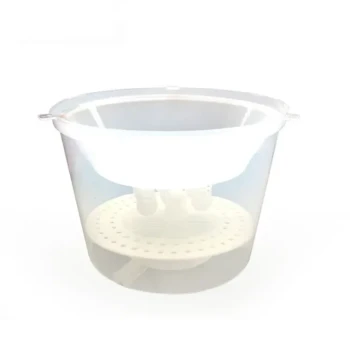
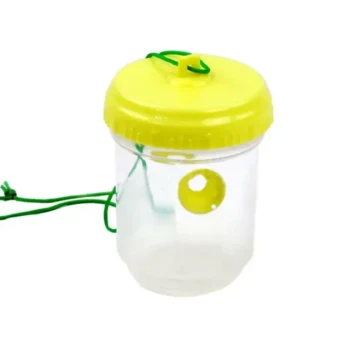
In-hive oil traps are mechanical devices designed to physically capture and drown adult small hive beetles within the hive. The two most common configurations are traps designed to hang between the frames inside the hive body and traps designed to slide underneath a screened bottom board.
Core Takeaway These traps work by exploiting the beetle's natural instinct to hide from bees, luring them through narrow slots into a reservoir of oil where they perish. While highly effective at reducing adult populations during spring and summer, they do not capture larvae or eggs and require regular maintenance to prevent bees from sealing them off.
The Mechanics of Oil Traps
Exploiting Natural Behavior
Beetles have a natural tendency to flee from guarding bees. They seek refuge in dark, tight spaces where bees cannot follow.
Selective Entry Design
In-hive traps feature thin slots along the top or sides. These openings are precision-sized: large enough for a beetle to enter, but too small for a honeybee to pass through.
The Kill Mechanism
Once the beetle enters the trap seeking safety, it falls into a compartment filled with oil. The oil coats the beetle, leading to suffocation and death without the use of complex neurotoxins.
Common Configurations
Frame-Mounted Traps
These traps are designed to sit directly within the brood box or honey super. They typically feature hooks or ridges that allow them to hang between two frames, placing the trap right in the area where beetles are most active.
Bottom Board Traps
These traps are designed for hives equipped with a screened bottom board. The trap is usually a tray or container that slides into a slot beneath the screen, catching beetles that fall through the mesh or crawl down seeking shelter.
Understanding the Trade-offs and Maintenance
Limitations on Lifecycle
It is critical to understand that oil traps capture adult beetles only. They are ineffective against beetle larvae or eggs, meaning they are a population management tool rather than a cure for a full-blown slime-out infestation.
Maintenance Requirements
Traps are not "set and forget" devices. You should expect to replace or clean disposable traps two to four times during a single summer.
The Risk of Propolis
If left in the hive too long, particularly as winter approaches, bees may attempt to seal the trap slots with propolis. This renders the trap useless, so they should be removed once cold weather sets in.
Chemical Cautions
While plain oil is safe, some beekeepers mix in baits or poisons. If you choose to add toxins, be aware that in hot weather, the mixture can expand and ooze out of the trap, potentially killing your bees.
Making the Right Choice for Your Colony
To effectively manage small hive beetles, align your trapping strategy with the seasonal needs of your hive:
- If your primary focus is prevention: Install traps in the spring and early summer to check beetle populations before they spike.
- If your primary focus is late-season control: In areas with cold winters, maintain traps through late Summer and Fall to protect winter honey stores.
- If your primary focus is safety: Stick to vegetable or mineral oil without added poisons to eliminate the risk of accidental bee poisoning.
Consistent monitoring of these traps is the most effective way to prevent beetle populations from causing irreparable damage to your colonies.
Summary Table:
| Trap Type | Placement Location | Primary Mechanism | Target Life Stage | Maintenance Frequency |
|---|---|---|---|---|
| Frame-Mounted Trap | Between hive frames | Narrow slots + Oil reservoir | Adult SHB | 2-4 times per summer |
| Bottom Board Trap | Underneath screened board | Screen mesh + Oil tray | Adult SHB | 2-4 times per summer |
Maximize Your Apiary Productivity with HONESTBEE
Protecting your colonies from Small Hive Beetles is essential for maintaining a healthy and profitable apiary. At HONESTBEE, we understand the challenges faced by commercial beekeepers and distributors. We provide a comprehensive wholesale range of professional-grade beekeeping tools, from specialized hive-making machinery to essential consumables and honey-themed cultural merchandise.
Whether you are scaling your operations or stocking high-quality equipment for your customers, our team is here to support your growth with durable and efficient hardware solutions.
Ready to upgrade your beekeeping equipment? Contact us today to explore our full spectrum of tools and machinery tailored for industry professionals!
Related Products
- Removable Washable Hive Beetle Trap Attractants for Small Hive Beetles
- Reusable Clear Small Hive Beetle Traps for Beehives Beetle Trapping Tools
- Plastic Beetle Blaster Trap Beekeeping Tools and Supplies
- Black Plastic Beetle Barn Hive Beetle Trap for Beehives
- Reusable Aluminium Beetle Trap for Small Hive Beetles Silver Bullet
People Also Ask
- How should powdered substances be used in beetle traps for hive beetle control? Expert Guide for Maximum Colony Protection
- What are the three main types of hive beetle traps? Expert Solutions for Protecting Your Bee Colonies
- What are the types of hive beetle traps available? Master Your Beetle Control Strategy
- What are the main types of hive beetle traps available? A Beekeeper's Guide to Effective Control
- What are the available chemical-free options for trapping hive beetles? Safe and Effective Pest Management Solutions