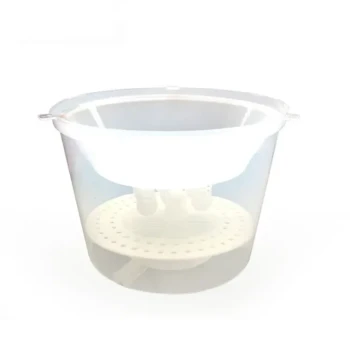
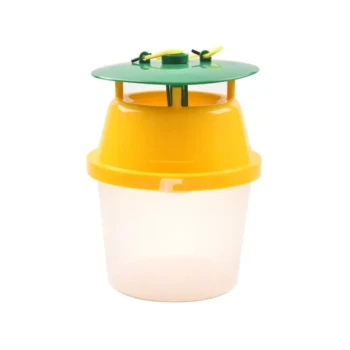
The three main types of hive beetle traps are hive stand beetle traps, handheld beetle traps, and chemical-free traps. These distinct categories provide beekeepers with various methods to intercept pests, utilizing different placement strategies and containment mechanisms to protect the colony.
Effective beetle management relies on exploiting the pest’s natural behavior—specifically their tendency to hide from bees—to lure them into devices where they are trapped and eliminated.
Understanding the Trap Categories
Hive Stand Beetle Traps
These devices are typically integrated into the foundation of the apiary setup. They are often designed to slide under a screened bottom board or sit within the hive stand itself.
Because they cover a large surface area beneath the brood nest, they can capture beetles that fall through the screen.
They are generally easier to inspect without opening the entire hive, minimizing disturbance to the colony.
Handheld Beetle Traps
This category refers to portable, smaller units designed for manual placement directly inside the hive.
The most common examples are "in-hive" traps, such as Beetle Blasters, which hang between the frames where beetles congregate.
These traps feature thin slots on top that allow beetles to enter but are too narrow for bees to pass through.
Chemical-Free Traps
This category prioritizes mechanical elimination over the use of pesticides or harsh chemicals.
Most of these traps utilize natural substances, such as vegetable oil or mineral oil, to drown the beetles upon entry.
Some smaller models in this category are designed to trap the beetles in a dry compartment, causing them to die from starvation.
Mechanism and Attractants
How Traps Work
Beetles instinctively seek refuge from aggressive guard bees. Traps provide a false "safe harbor" with small openings.
Once inside, the beetles fall into a compartment from which they cannot escape.
The Role of Bait
Many traps rely on a lure to be effective. Common attractants include apple cider vinegar, oil, or fermented pollen.
While oil acts as a killing agent, it is the combination of the hiding spot and the bait that draws the pest in.
Common Trade-offs and Limitations
Maintenance is Mandatory
Traps are not "set and forget" solutions. Oil traps can become rancid or filled with debris and must be cleaned regularly.
If a trap is neglected, it can become a breeding ground for the very pests you are trying to eliminate.
The Risk of Baiting
Using strong attractants like pollen carries a specific risk: it may lure more beetles from the surrounding environment into the hive.
Beekeepers must balance the strength of the lure with the colony's ability to defend itself.
Limited Scope
Traps effectively target adult beetles, but they generally do not capture eggs or larvae.
If an infestation has already progressed to the point where larvae are slimming the frames, traps alone will not save the colony.
Making the Right Choice for Your Goal
Select your trap based on the severity of the infestation and your management style.
- If your primary focus is heavy infestation management: Use hive stand (bottom board) traps, as they cover a larger area and can capture debris falling from the entire colony.
- If your primary focus is preventative maintenance: Use handheld (in-hive) traps placed between the outer frames to catch scouting beetles before they establish a foothold.
- If your primary focus is organic beekeeping: Stick to chemical-free traps that utilize vegetable oil or starvation methods to ensure honey purity.
Consistently monitoring these traps is the single most effective way to gauge the health of your hive and the pressure of local pest populations.
Summary Table:
| Trap Type | Placement | Best Use Case | Mechanism |
|---|---|---|---|
| Hive Stand | Under screened bottom board | Heavy infestations | Large surface area capture |
| Handheld (In-Hive) | Between frames | Preventative maintenance | Narrow slots for beetle entry |
| Chemical-Free | Variable placement | Organic beekeeping | Drowning in oil or starvation |
Maximize Your Apiary Productivity with HONESTBEE
Protecting your colonies from Small Hive Beetles is essential for maintaining a healthy and profitable apiary. HONESTBEE is dedicated to supporting commercial apiaries and distributors with a comprehensive wholesale offering. We supply the full spectrum of beekeeping tools, machinery, and equipment—from specialized hardware like hive-making and honey-filling machines to essential industry consumables.
Whether you are scaling your operations or looking for reliable distribution partners, our honey-themed cultural merchandise and professional-grade tools offer the value your business deserves. Elevate your beekeeping business and safeguard your hives—contact us today to explore our wholesale solutions!
Related Products
- Black Plastic Beetle Barn Hive Beetle Trap for Beehives
- Removable Washable Hive Beetle Trap Attractants for Small Hive Beetles
- Reusable Clear Small Hive Beetle Traps for Beehives Beetle Trapping Tools
- Reusable Aluminium Beetle Trap for Small Hive Beetles Silver Bullet
- Plastic Beetle Blaster Trap Beekeeping Tools and Supplies
People Also Ask
- How should powdered substances be used in beetle traps for hive beetle control? Expert Guide for Maximum Colony Protection
- What are the types of hive beetle traps available? Master Your Beetle Control Strategy
- What are the main types of hive beetle traps available? A Beekeeper's Guide to Effective Control
- What mechanical methods can be used to manage small hive beetles? Effective Physical Solutions for Your Beehive
- In what situations is the use of beetle traps particularly recommended? Essential Protection for Vulnerable Bee Hives