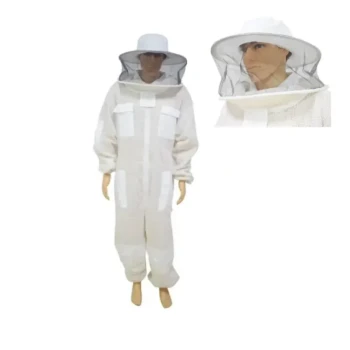
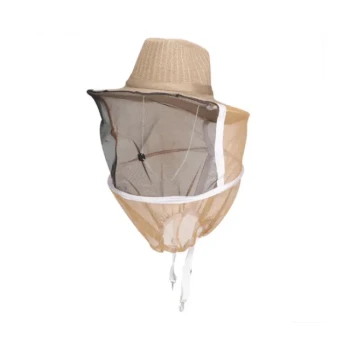
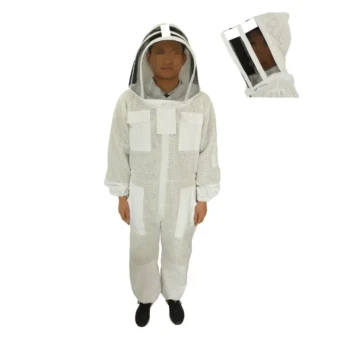
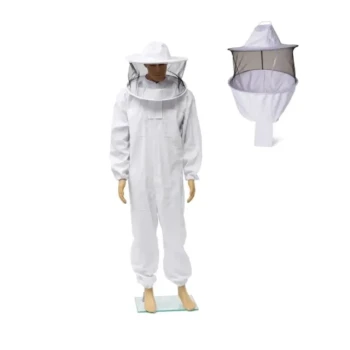
Bee veils and protective suits function as a critical physical interface between the apiarist and the colony. The primary design objective is to establish an impenetrable barrier against stings—particularly around the vulnerable face and neck—using fine, breathable mesh that preserves an unobstructed field of vision. This combination of physical isolation and ventilation is engineered to keep the operator safe, cool, and focused during intensive hive management.
The true value of professional protective gear extends beyond simple injury prevention; it provides the psychological security required for precision work. By neutralizing the threat of stings, the equipment allows operators to remain calm, minimizing the stress transferred to the colony during inspections.
The Mechanics of Protection
The Mesh Barrier
The most sophisticated component of the gear is the veil. It utilizes fine, breathable mesh designed to balance contradictory needs: impenetrable defense against insects and maximum airflow for the operator.
Visual Clarity
Designers prioritize an unobstructed field of vision within the veil. High-quality mesh minimizes visual distortion, allowing the beekeeper to identify minute details—such as eggs or queen status—without compromising safety.
Comprehensive Coverage
While the veil protects the head, the system relies on a full-body seal. Professional suits, often integrated with gloves and boots, create a closed loop that prevents bees from navigating up sleeves or pant legs.
The Impact on Apiary Operations
Enabling Precision
Beekeeping requires fine motor skills and patience. Industrial-grade protective suits allow workers to endure long hours of labor without the distraction of defensive bees, facilitating in-depth colony health inspections.
Managing Operator Anxiety
The physical barrier directly influences operator psychology. By significantly reducing the risk of injury, the gear lowers operator anxiety, preventing jerky, nervous movements that typically trigger aggressive defensive responses from the hive.
Stabilizing Production
Routine maintenance, such as honey harvesting and pest control, requires consistency. Reliable PPE ensures that these high-frequency tasks can be performed on schedule, regardless of the colony's temperament, ensuring the continuity of production.
Understanding the Trade-offs
Ventilation vs. Penetration
There is an inherent tension between airflow and security. Thicker, multi-layered fabrics offer superior sting protection but can lead to heat exhaustion during long hours of intensive work. Lighter materials breathe better but may offer less resistance to a determined colony.
Visibility Limits
While modern mesh is excellent, it is not invisible. In low-light conditions or when looking for cryptic signals (like early larval stages), even high-quality veils can slightly obscure vision, potentially requiring the operator to adjust their lighting or angle.
Equipment Dependency
Protective gear is a passive defense, not a behavioral control. Relying solely on the suit without using active calming tools—such as bee smokers to induce gorging and docility—can lead to dangerous overconfidence and increased stress for the bees.
Making the Right Choice for Your Goal
Selecting the right protective configuration depends on the specific nature of your apiary work and your experience level.
- If your primary focus is Maximum Safety and Confidence: Prioritize suits with thick, multi-layered fabric and comprehensive seals (boots/gloves) to eliminate anxiety and ensure a totally secure physical barrier.
- If your primary focus is Precision and Long-Duration Work: Prioritize gear with high-ventilation mesh and superior visual clarity to prevent heat fatigue and maintain focus during delicate queen management or harvesting.
The most effective protective gear disappears from your awareness, allowing you to focus entirely on the health and management of the hive.
Summary Table:
| Feature | Key Function | Benefit to Apiarist |
|---|---|---|
| Breathable Mesh | Balances sting protection with airflow | Prevents heat exhaustion during long shifts |
| Visual Clarity | Minimizes distortion in the veil | Facilitates detailed tasks like egg identification |
| Full-Body Seals | Integrated glove/boot connections | Eliminates entry points for defensive bees |
| Multi-Layer Fabric | Provides depth to prevent stinger reach | Ensures psychological security and calm movements |
Elevate Your Apiary Operations with HONESTBEE
Maximize the safety and efficiency of your team with professional-grade protective gear. HONESTBEE specializes in catering to commercial apiaries and distributors, offering a complete wholesale range of beekeeping tools, machinery, and essential consumables. From high-visibility protective suits to specialized honey-filling machines and hive-making hardware, we provide the industrial solutions your business needs to scale.
Partner with HONESTBEE to secure high-quality equipment for your professional success.
Contact Us Today to Discuss Wholesale Solutions
References
- KH Devkota. Benefit-Cost Analysis of Apiculture Enterprise: A Case Study of Jutpani VDC, Chitwan, Nepal. DOI: 10.3126/jiaas.v27i0.704
This article is also based on technical information from HonestBee Knowledge Base .
Related Products
- White Cotton Beekeeping Jacket and Veil for Bee Keepers
- Premium Cotton Beekeeper Suit with Reinforced Fencing Veil
- Beekeeping Jacket with Hood and Veil for Beekeepers
- Premium Three Layer Ventilated Bee Suit with Round Veil
- Beekeeper Cowboy Hat and Veil for Beekeeping
People Also Ask
- What are the features of an economical beekeeping jacket? Essential Protection for Budget-Conscious Beekeepers
- What are the pros of using a beekeeping jacket? Unlock Superior Comfort and Mobility for Your Apiary
- What factors should a new beekeeper consider when choosing between a jacket and a full suit? Security vs. Comfort
- What are the advantages of a beekeeping jacket? Superior Mobility & Comfort for Routine Hive Inspections
- When is a beekeeping jacket considered a more suitable choice than a full suit? Optimize Your Apiary Mobility