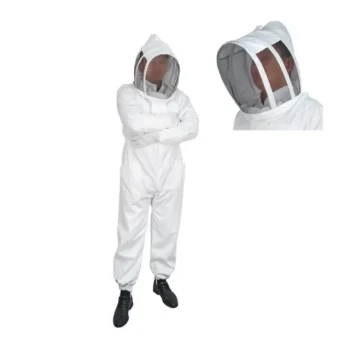
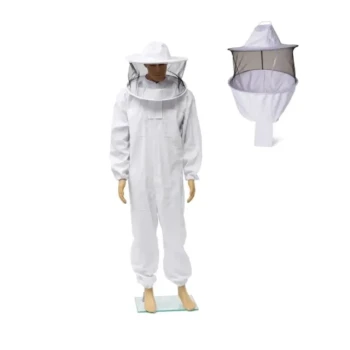
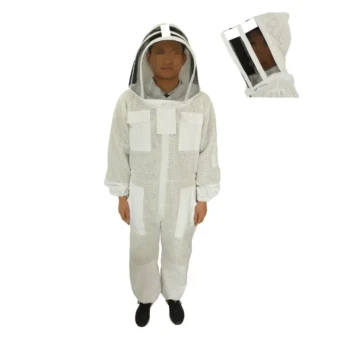
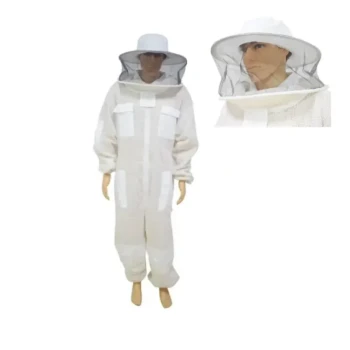
The primary factor in choosing beekeeping gear is your personal psychological comfort and sense of safety. For most new beekeepers with a manageable level of fear, a jacket is the recommended choice due to its ease of use and ventilation. However, if you experience significant anxiety or are working with aggressive hives, a full suit is the better option because it provides total head-to-toe coverage, ensuring you feel secure enough to work effectively.
The "right" choice is ultimately the one that keeps you calmest in the apiary. While jackets offer superior convenience and heat management, a full suit offers the psychological assurance of complete isolation from the bees.
Assessing Your Psychological Needs
The Priority of Feeling Safe
Your mental state directly impacts your movements and effectiveness. If you are constantly worried about getting stung, your movements may become jerky or rushed, which agitates bees.
When to Choose a Full Suit
The primary reference indicates that a full suit is best for those with high apprehension. The knowledge that every inch of skin is covered can prevent panic. It is also the necessary choice if you know your specific bees are genetically aggressive.
When to Choose a Jacket
For the average hobbyist, a jacket provides sufficient protection. It protects the vital areas (head and torso) while allowing for greater agility. If your fear level is low to moderate, a jacket is likely the more practical long-term investment.
Practical Considerations for Daily Use
Heat Management
Beekeeping often happens during the hottest parts of the day. Jackets are significantly cooler than full suits. The reduced weight and increased airflow make jackets the preferred choice for inspections in high summer heat, reducing the risk of heat exhaustion.
Ease of Entry and Exit
Jackets are generally easier to put on and take off than a full body suit. This convenience encourages more frequent, quick inspections. Features like zip-on veils and durable zippers add to this ease of use.
Critical Fit and Construction Details
The "Stinger" Gap
Regardless of the style you choose, the fit must be loose. If the fabric pulls tight against your skin, a stinger can penetrate it.
Sizing Up
It is standard technical advice to select a size larger than your normal clothing. This allows for layers underneath and ensures the fabric does not pull tight across your back when you bend over a hive.
Essential Durability Features
Look for quality construction markers. A good suit or jacket should have double-stitched seams and heavy-duty elastic at the wrists and ankles (for suits) to prevent entry. Multiple pockets are also essential for carrying hive tools and markers.
Understanding the Trade-offs
The Limitations of a Jacket
The obvious trade-off with a jacket is lower body exposure. While jeans usually provide adequate protection, your legs are technically accessible. You must be comfortable with this slight vulnerability to enjoy the cooling benefits of a jacket.
The Downsides of a Full Suit
A full suit offers maximum security but at the cost of mobility and heat retention. They can be cumbersome to put on, potentially discouraging you from doing a quick check on your hives. In extreme heat, they can become dangerous if you do not stay hydrated.
Making the Right Choice for Your Goal
To select the right gear, identify your primary constraint:
- If your primary focus is managing high anxiety: Choose a full suit to eliminate the distraction of fear so you can focus on learning.
- If your primary focus is heat management and agility: Choose a jacket, as it offers the best balance of protection and ventilation for summer work.
- If your primary focus is longevity: Prioritize gear with double-stitched seams and strong, machine-washable fabrics, regardless of the style.
Your gear is there to facilitate your confidence; choose the tool that allows you to remain calm and deliberate.
Summary Table:
| Feature | Beekeeping Jacket | Full Beekeeping Suit |
|---|---|---|
| Best For | Low/Moderate anxiety, summer heat | High anxiety, aggressive hives |
| Protection | Head and Torso (Vital areas) | Full body (Head-to-toe) |
| Ventilation | High (Superior heat management) | Moderate to Low |
| Ease of Use | Very easy to put on/take off | More cumbersome and heavy |
| Mobility | High agility and movement | Slightly more restrictive |
| Key Requirement | Loose fit to prevent stinger contact | Loose fit + secure ankle elastics |
Upgrade Your Apiary with Premium Gear from HONESTBEE
Choosing the right protection is the first step toward successful beekeeping. At HONESTBEE, we specialize in supporting commercial apiaries and distributors with high-quality, wholesale beekeeping solutions. From breathable jackets and heavy-duty full suits with double-stitched seams to advanced hive-making and honey-filling machinery, our comprehensive portfolio is designed to scale your operations.
Whether you are looking to stock essential consumables or invest in specialized hardware, our experts are here to help you find the perfect fit for your business goals. Contact us today to explore our wholesale offerings and see how HONESTBEE can streamline your production and protect your team.
Related Products
- White Cotton Beekeeping Jacket and Veil for Bee Keepers
- Economy Polyester Beekeeping Jacket with Veil and Hat
- Beekeeping Jacket with Hood and Veil for Beekeepers
- Vented Beekeeping Jacket with Hood and Veil for Beekeepers
- Premium Cotton Beekeeper Suit with Reinforced Fencing Veil
People Also Ask
- What are the features of an economical beekeeping jacket? Essential Protection for Budget-Conscious Beekeepers
- What are the pros of using a beekeeping jacket? Unlock Superior Comfort and Mobility for Your Apiary
- What are the advantages of a beekeeping jacket? Superior Mobility & Comfort for Routine Hive Inspections
- When is a beekeeping jacket considered a more suitable choice than a full suit? Optimize Your Apiary Mobility
- Why is a jacket with a hat veil recommended for beekeepers? Essential Protection for Your Face and Neck