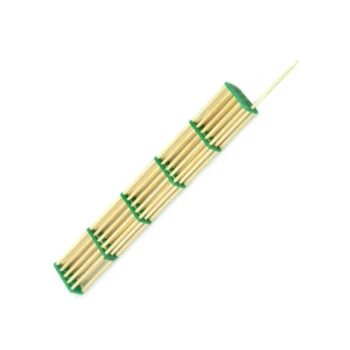
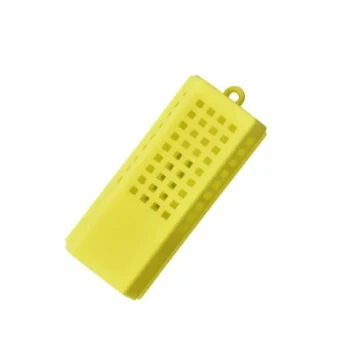
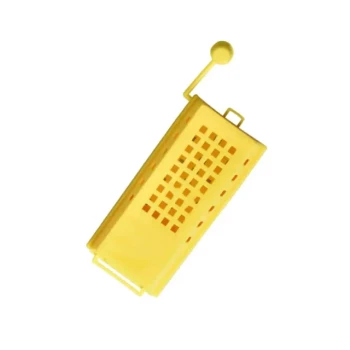
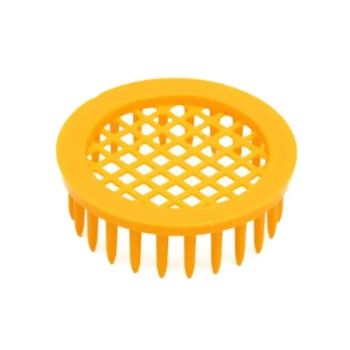
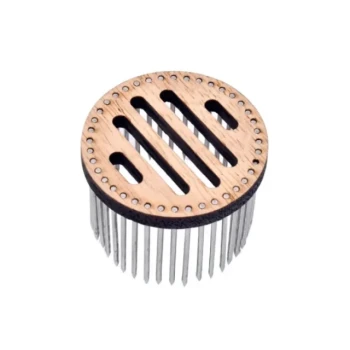
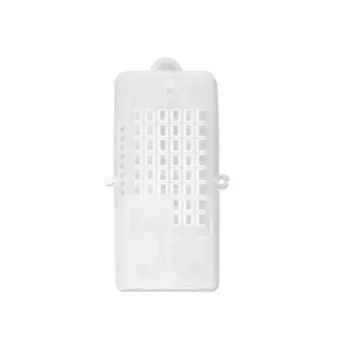
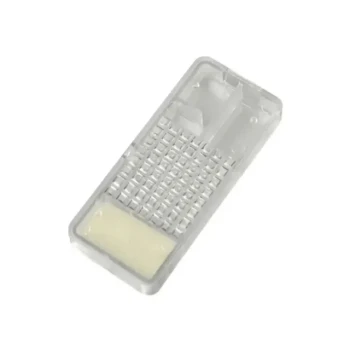
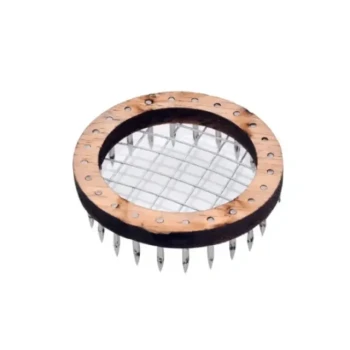
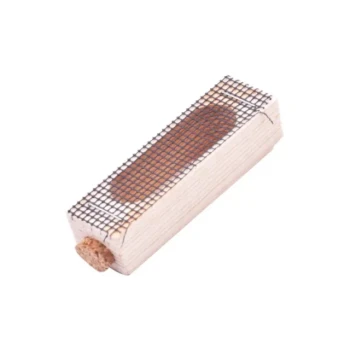
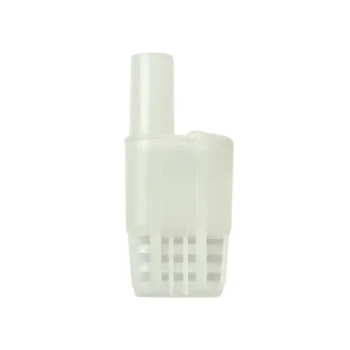
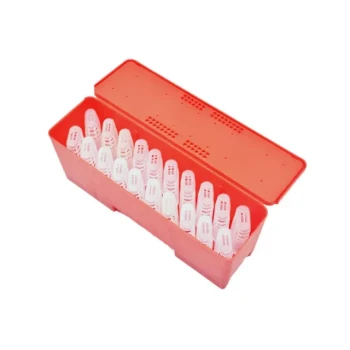
The primary design advantage of industrial insect cages and plastic traps is the ability to rigorously isolate olfactory attraction from visual cues. These tools provide a transparent, controlled environment for observing natural flight while utilizing specialized physical structures to translate pest behavior into measurable capture data.
By eliminating visual interference and utilizing one-way entry mechanisms, these designs transform subjective insect behavior into objective, quantifiable metrics essential for accurate research.
Optimizing the Observation Environment
Transparency and Flight Behavior
Industrial insect cages are designed to be transparent and enclosed. This allows researchers to observe natural insect flight patterns without obstruction, ensuring that the physical barriers do not alter the insect's fundamental movement.
Controlled Environmental Factors
The design features specific ventilation systems. This ensures that while the insects are contained, air quality is maintained, and environmental variables like light cycles can be strictly controlled to mimic specific experimental conditions.
The Mechanics of the Plastic Trap
The Funnel Entry System
Integrated cylindrical plastic traps utilize fine fiberglass funnel openings. This physical structure acts as a mechanical diode: it permits easy entry for the pest but makes exiting extremely difficult.
Isolating Olfactory Cues
A critical advantage of this design is the elimination of visual interference. By removing visual stimuli as a variable, researchers can confirm that capture is a result of olfactory (scent-based) attraction, not sight.
Quantifiable Data Translation
The trap design effectively converts a behavioral impulse into measurable capture data. Because the insect cannot exit once it follows the olfactory cue, the number of trapped insects provides a concrete metric for the potency of the attractant.
Understanding the Limitations
Physical Constraints vs. Natural Behavior
While these cages allow for natural flight, they are still enclosed artificial environments. Researchers must ensure that the cage dimensions are sufficient for the specific pest species to prevent stress-induced behaviors that could skew data.
Maintenance of the Entry Mechanism
The effectiveness of the trap relies entirely on the integrity of the fiberglass funnel. If this mesh is damaged or clogged, the "easy entry, hard exit" dynamic fails, resulting in either false negatives (insects can't enter) or data loss (insects escape).
Making the Right Choice for Your Goal
To select the appropriate experimental setup, consider your specific research variables:
- If your primary focus is observing flight mechanics: Prioritize industrial cages with high transparency and controlled light cycles to monitor movement without obstruction.
- If your primary focus is testing attractant potency: Utilize cylindrical plastic traps with fiberglass funnels to isolate scent from sight and ensure accurate capture counts.
Success in behavior selection experiments relies on using these tools to create a barrier between the insect's instinct and the researcher's need for objective data.
Summary Table:
| Feature | Industrial Insect Cages | Plastic Traps (with Funnels) |
|---|---|---|
| Primary Function | Observation of natural flight & movement | Testing attraction & capture potency |
| Key Mechanism | Transparent enclosure & ventilation | Fiberglass funnel (one-way entry) |
| Data Type | Qualitative behavioral patterns | Quantitative capture metrics |
| Major Benefit | Controlled environmental variables | Isolation of olfactory from visual cues |
| Best Used For | Monitoring pest flight mechanics | Evaluating scent-based attractants |
Elevate Your Beekeeping Operation with HONESTBEE
At HONESTBEE, we specialize in empowering commercial apiaries and distributors with the tools needed to manage hive health and optimize production. Whether you are conducting pest research or scaling up honey processing, we provide a comprehensive wholesale range including:
- Advanced Equipment: Hive-making and honey-filling machinery.
- Specialized Tools: Professional beekeeping hardware and pest management solutions.
- Industry Consumables: A wide array of essential supplies for high-volume operations.
Ready to enhance your efficiency and secure your honey yields? Contact us today to explore our wholesale offerings and see how our industry expertise can drive your success.
References
- R. Andrew Hayes, Diana M. Leemon. Increased attractiveness of honeybee hive product volatiles to adult small hive beetle, <i><scp>A</scp>ethina tumida</i>, resulting from small hive beetle larval infestation. DOI: 10.1111/eea.12304
This article is also based on technical information from HonestBee Knowledge Base .
Related Products
- Professional Bamboo Queen Isolation Cage
- Professional Multi-Compartment Queen Cage with Sliding Lid
- Durable Galvanized Steel Spring Queen Bee Cage
- Professional Queen Cage with Sliding Gate and Feeder Plug
- Durable Plastic Push In Queen Bee Cage
People Also Ask
- Why are specialized queen bee cages used for the banking of mated queen bees? Maximize Commercial Apiary Storage Efficiency
- What is the mechanism of action for using temporary queen bee cages? Master Successful Queen Introduction
- How does the side ventilation design of a queen bee cage impact the safety of the queen during long-distance transport?
- What should you do if the queen is still in the cage and the worker bees have not accepted her? Protect Your Colony from Queen Rejection
- What technical precaution must be taken regarding the mesh or grill side of a queen bee cage? Ensure Queen Survival