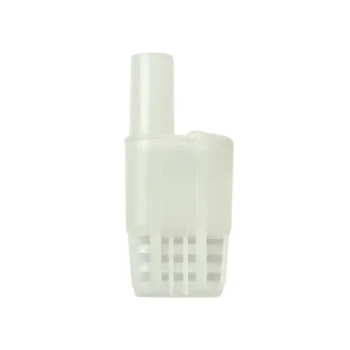
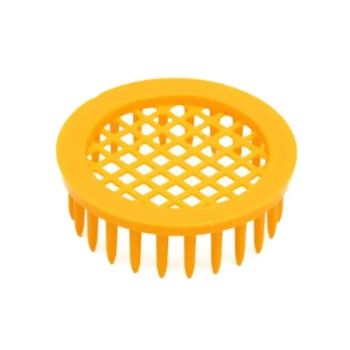
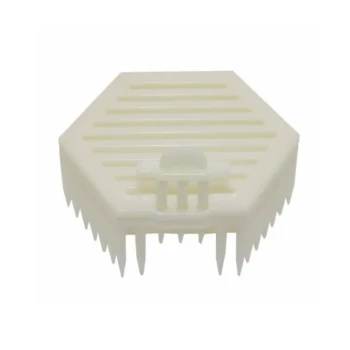
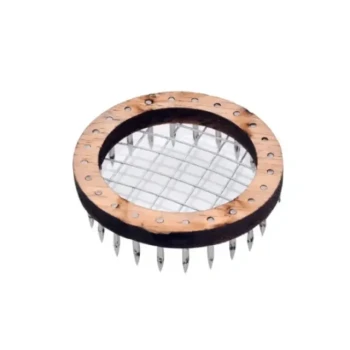
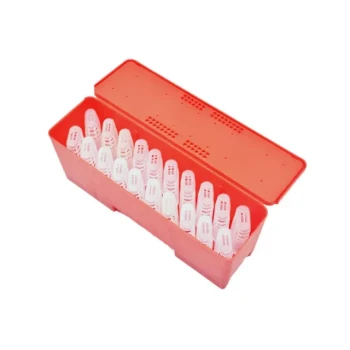
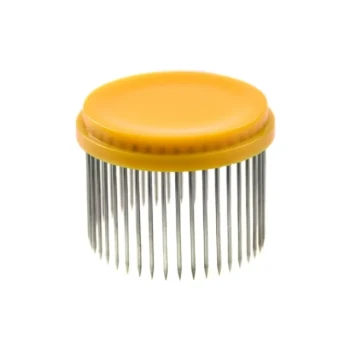
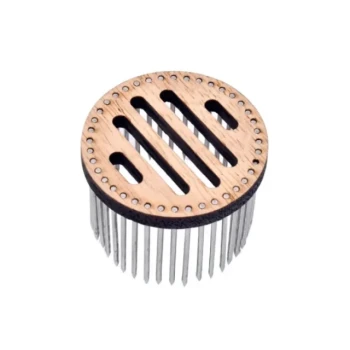
The mechanism of action relies on a dual-function barrier strategy. A temporary queen cage physically isolates the new queen to prevent immediate lethal aggression while simultaneously allowing for chemical integration. The cage mesh facilitates the passive diffusion of the queen's pheromones into the hive, gradually overriding the colony's defensive instincts before direct physical contact occurs.
Core Takeaway The queen cage acts as a biological buffer that decouples physical presence from chemical acceptance. By delaying direct contact until the colony has habituated to the new queen's pheromone profile, the device converts a potential hostile invasion into a successful integration.
The Dual-Layer Defense System
Preventing Immediate Rejection
The primary function of the cage is physical protection. Resident worker bees possess strong defensive instincts and will instinctively attack a foreign queen upon detection.
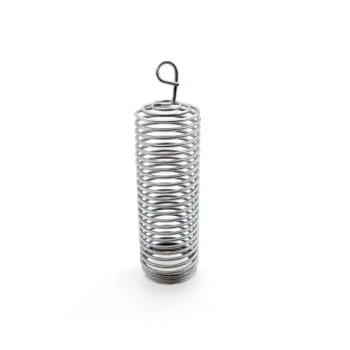
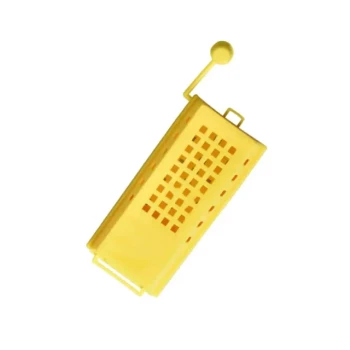
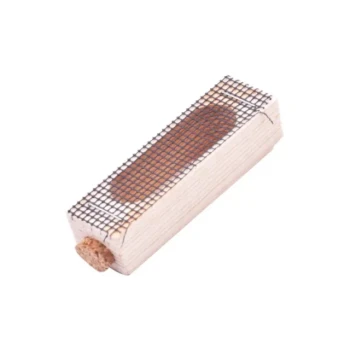
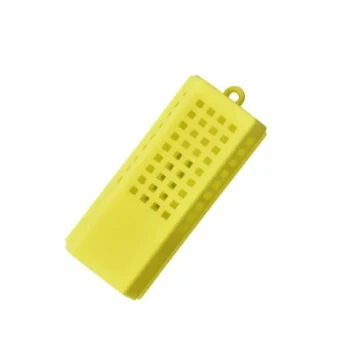
Without the cage, workers would likely "ball" the new queen—surrounding and overheating or stinging her to death. The rigid structure of the cage (whether plastic like JZBZ or wooden) creates an impenetrable wall against this initial aggressive response.
Facilitating Pheromone Diffusion
While the cage blocks physical attacks, it is designed to be chemically porous. The mesh screens or gaps allow the new queen's specific pheromones (often referred to as hormones in older texts) to drift into the hive environment.
This process allows the colony to "smell" the queen without being able to touch her. Over a period of days, the colony's scent profile blends with the new queen's pheromones, shifting the workers' behavior from rejection to acceptance.
The Automated Release Mechanism
The Candy Plug Timer
Many cages, including the traditional 3-hole wooden cage or JZBZ models, utilize a fondant or candy plug to block the exit. This component functions as a biological timer rather than just a food source.
Collaborative Liberation
Worker bees must eat through this candy barrier to release the queen. This process ensures a slow release, forcing the interaction to last long enough for pheromone acclimation to occur.
By the time the workers have consumed the candy barrier, they have typically been exposed to the queen's scent long enough to accept her. This transforms their activity from digging out an intruder to liberating a accepted leader.
Critical Success Factors
Proper Spatial Orientation
For the mechanism to work, the cage must be suspended between frames (typically in the brood chamber) with the screen facing open space.
If the screen is pressed tightly against honeycomb or wax, air circulation is blocked. This prevents pheromones from circulating and stops nurse bees from feeding the queen through the mesh, potentially leading to her starvation or rejection.
The Necessity of Isolation
The mechanism fails if the colony perceives it already has a queen. Before insertion, the beekeeper must remove any existing queen cells.
If the colony believes they are raising their own virgin queen, they will remain hostile toward the introduced queen regardless of the cage's protection.
Common Pitfalls to Avoid
Premature Release
Releasing a queen before the "adaptation period" (approximately two days or more) drastically increases the risk of rejection. The chemical blend must be established before the physical barrier is removed.
ignoring Behavioral Cues
The cage allows for visual diagnostics. Before the queen is released, you must verify that workers are feeding the queen through the mesh.
If workers are biting the bars or clinging aggressively to the cage, the acclimation is incomplete. Releasing the queen at this stage will likely result in failure.
Making the Right Choice for Your Goal
To maximize the survival rate of your new queen, tailor your approach based on the specific condition of the hive.
- If your primary focus is a standard replacement: Rely on the candy plug method to automate the release process, ensuring a slow, unsupervised transition over several days.
- If your primary focus is a high-value or difficult introduction: Use a manual release method (such as with a transferring cage), keeping the queen confined for roughly two days until you visually confirm non-aggressive behavior from the workers.
- If your primary focus is colony stability: Ensure you have removed all rival queen cells prior to installation to direct the colony’s biological focus entirely toward the new queen.
The temporary cage is not merely a container; it is a negotiation tool that buys the necessary time for biology to supersede aggression.
Summary Table:
| Feature | Mechanism of Action | Purpose |
|---|---|---|
| Physical Mesh | Barrier protection | Prevents workers from 'balling' or killing the new queen |
| Porous Design | Pheromone diffusion | Allows colony to habituate to the queen's scent profile |
| Candy Plug | Biological timer | Controls release speed to ensure chemical integration |
| Placement | Airflow optimization | Facilitates feeding and scent circulation between frames |
| Worker Behavior | Visual diagnostic | Indicates acceptance (feeding) or rejection (biting bars) |
Maximize Your Apiary Success with HONESTBEE
Successful queen introduction is the backbone of a productive hive, and having the right tools makes all the difference. At HONESTBEE, we specialize in supporting commercial apiaries and distributors by providing a comprehensive wholesale range of professional-grade beekeeping equipment.
From precision-engineered queen cages and hive-making machinery to high-capacity honey-filling machines and essential consumables, we supply everything you need to scale your operations. Partner with us to access durable hardware and innovative beekeeping solutions designed for industry professionals.
Ready to upgrade your equipment?
Contact HONESTBEE today to discuss our wholesale offerings and how we can add value to your beekeeping business!
References
- Francesca Michelini, Devan Rawn. The Basics of Queen Management in Beekeeping Operations. DOI: 10.32473/edis-in1457-2025
This article is also based on technical information from HonestBee Knowledge Base .
Related Products
- Durable Galvanized Steel Spring Queen Bee Cage
- Professional Queen Bee Introduction and Transport Cage
- Professional Queen Cage with Sliding Gate and Feeder Plug
- Professional Bamboo Queen Isolation Cage
- Professional Multi-Functional Queen Bee Cage
People Also Ask
- Why are specialized queen bee cages used for the banking of mated queen bees? Maximize Commercial Apiary Storage Efficiency
- What is the step-by-step process for installing a queen bee's cage onto a frame? Ensure Hive Acceptance Safely
- What is the optimal placement for a queen bee cage? Essential Strategies for Successful Re-queening
- What are the advantages and disadvantages of introducing a queen bee by embedding the cage? Boost Your Queen Acceptance
- How long does it typically take for bees to adjust to a new queen? Master the 2-7 Day Requeening Window