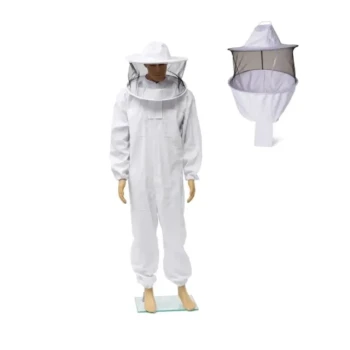
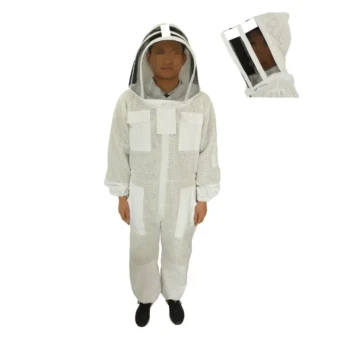
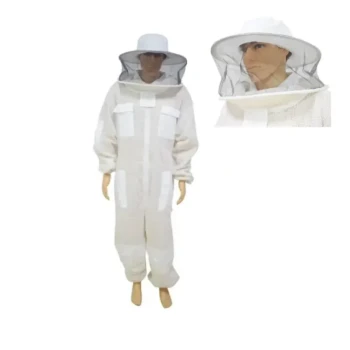
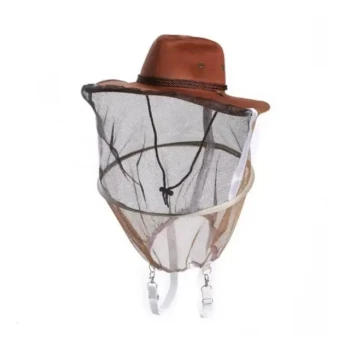
A full-body cotton beekeeping suit is engineered primarily around a chassis of high-quality, thick cotton fabric designed to create a dense physical barrier against stings. Its architecture focuses on sealing the operator completely, featuring elasticated cuffs, a detachable veil system with structural rings for visibility, and reinforced velcro closures to secure zipper gaps against bee entry.
Core Takeaway The design of a cotton beekeeping suit prioritizes impenetrable coverage and versatility over airflow. By utilizing heavy-duty fabric and redundant sealing mechanisms, it transforms from high-level protective gear into standard work coveralls, though users must actively manage thermal regulation due to the density of the material.
The Protective Chassis
Material Density
The foundation of the suit is thick, high-quality cotton. This material is selected specifically to prevent bee stingers from reaching the skin.
At approximately 1.08 kg, the suit has substantial weight. This density is a functional feature, ensuring the fabric does not drape too closely to the body or tear easily during apiary work.
Dual-Purpose Versatility
A defining feature of this design is the ability to function as standard work overalls.
By removing the detachable hat and veil, the operator can use the garment for general maintenance or agricultural tasks without the bulk of the headgear.
The Head and Face Defense System
Structural Integrity
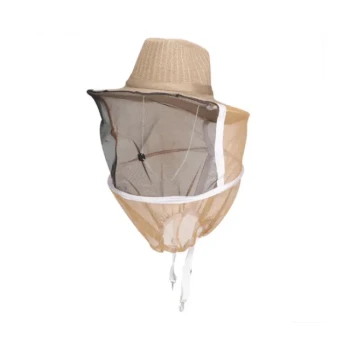
The hood features strong rings embedded in the design.
These rings are critical for safety; they keep the mesh veil pushed away from the face, ensuring bees cannot sting the nose or cheeks through the net while maintaining excellent all-around visibility.
The Detachable Veil
The hat is a folding, detachable unit connected via a zipper.
This allows for easy storage and cleaning. As noted in industry standards, a non-removable veil is often a sign of lower-quality manufacturing; a proper suit allows for component separation.
Redundant Sealing
Relying solely on a zipper to attach the hood is a safety risk.
Therefore, high-quality cotton suits utilize a velcro fastener placed over the zipper junction. This seals the small gap where the zipper ends, preventing bees from crawling into the neck area.
Sealing and Utility Features
Elasticated Extremities
The suit employs elasticated cuffs at the wrists and ankles.
This design serves two purposes: it facilitates easy dressing and removal, and more importantly, it creates a tight seal that prevents bees from crawling up the sleeves or pant legs.
Tool Storage
Practicality is addressed through the integration of three large pockets.
These allow the beekeeper to carry hive tools, queen cages, or markers directly on their person, eliminating the need for an external tool belt that might compromise the suit's fit.
Understanding the Trade-offs
Thermal Regulation
The primary disadvantage of the thick cotton construction is low ventilation.
While the material offers robust protection, it traps body heat. In high summer temperatures, this can lead to discomfort or overheating, especially compared to modern ventilated mesh suits.
Weight and Mobility
The suit is designed for protection first, which results in a lower comfort rate for active movement.
The heavy fabric can be cumbersome for operators who perspire heavily or are sensitive to heat, making it essential to plan for breaks during long apiary sessions.
Making the Right Choice for Your Goal
When selecting a cotton suit, your decision should depend on your specific environmental conditions and apiary needs.
- If your primary focus is maximum durability and versatility: Choose the thick cotton suit for its resistance to tears and its ability to convert into standard work coveralls for non-beekeeping tasks.
- If your primary focus is working in extreme heat: Consider that the thick cotton design offers poor ventilation and may require you to limit your working hours to cooler parts of the day.
A cotton beekeeping suit is a robust, multi-functional tool that trades airflow for a dense, reliable barrier against stings.
Summary Table:
| Feature | Design Detail | Primary Benefit |
|---|---|---|
| Material | High-density thick cotton (approx. 1.08kg) | Provides a robust physical barrier against stings |
| Headgear | Detachable veil with structural rings | Maintains visibility while keeping mesh away from face |
| Sealing | Elasticated cuffs & Velcro zipper flaps | Eliminates entry points for bees at wrists, ankles, and neck |
| Versatility | Removable hood system | Converts from protective suit to standard work coveralls |
| Storage | Three integrated large pockets | Allows easy access to hive tools and equipment |
Elevate Your Apiary Safety with HONESTBEE
At HONESTBEE, we understand that commercial apiaries and distributors require gear that balances uncompromising safety with long-term durability. Our full-body cotton suits are part of a comprehensive wholesale range designed to withstand the rigors of professional beekeeping.
Why partner with HONESTBEE?
- Wholesale Excellence: We supply a full spectrum of beekeeping tools, specialized hardware, and essential consumables.
- Advanced Machinery: From hive-making to honey-filling machines, we empower your production efficiency.
- Targeted Solutions: Tailored offerings for large-scale operations and global distributors.
Ready to upgrade your inventory or equip your commercial team with industry-leading gear?
Contact HONESTBEE Today for Wholesale Pricing
Related Products
- Premium Cotton Beekeeper Suit with Reinforced Fencing Veil
- Professional Cotton Beekeeper Suit with Round Veil Design for Commercial Apiaries
- Professional Beekeeper Suit with Square Folding Cotton Veil
- White Cotton Beekeeping Jacket and Veil for Bee Keepers
- Professional Beekeeping Suit for Kids and Girls Childrens Bee Keeper Suit
People Also Ask
- What material and design specifications are recommended for a high-quality beekeeper suit? Top Gear Selection Guide
- How to Pre-treat Propolis Stains on Beekeeping Suits? Master Advanced Fabric Care and Soil Removal
- What features should be considered for sting protection in a beekeeping suit? Ensure Total Safety and Comfort
- What are the differences between full suits and jackets with veils in beekeeping? Choose Your Best Protection
- What features should be looked for in a beekeeping suit for maximum comfort? Prioritize Ventilation and Fit