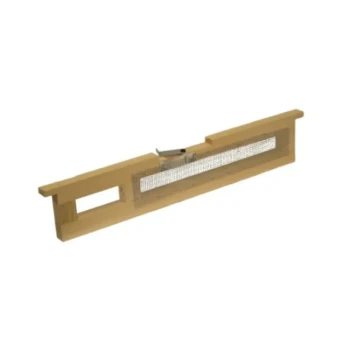
Specialized wooden beehive therapy houses function as sophisticated bio-interfaces. They are architectural structures engineered to physically separate humans from bees to ensure safety, while simultaneously facilitating the continuous exchange of air and physical energy. This unique design enables users to inhale beneficial volatile compounds from the hive and experience the colony's micro-vibrations without the risk of direct contact.
The core function of a beehive therapy house is to serve as a conductive medium that safely isolates the user from stinging insects while transmitting the hive’s therapeutic air and micro-vibrations for wellness applications.
The Architecture of Safe Interaction
To function effectively in apitourism, these structures must balance two opposing requirements: total separation and permeable connectivity.
Physical Isolation
The primary functional characteristic is the precise physical barrier between the human occupant and the bee colony.
This design ensures that users can inhabit the space without protective gear, removing the risk of stings.
Continuous Air Exchange
While the bees are contained, the structure is designed to allow air to flow freely from the hive into the human compartment.
This permeability is essential, as the therapy relies on the atmosphere of the room being constantly replenished by the hive's internal environment.
Mechanisms of Therapeutic Delivery
The structure acts as a hardware component that delivers two distinct forms of biological therapy: respiratory and vibrational.
Volatile Compound Inhalation
The air exchange system allows users to safely inhale volatile compounds generated by the colony.
These compounds are derived directly from the biological materials present in the hive, specifically propolis, pollen, and honey.
Micro-Vibration Conduction
Beyond air, the wooden structure serves as a physical conductor of frequency.
It captures and transmits the micro-vibrations generated by the collective movement and activity of the bee colony, delivering this frequency therapy to the user inside the house.
Understanding the Trade-offs
While these structures enable high-value apitherapy, their design introduces specific engineering challenges that must be managed.
The Isolation vs. Permeability Conflict
The structure must be porous enough to admit air and vibration, yet sealed tight enough to prevent insect entry.
If the air exchange channels are too restrictive, the therapeutic concentration of volatile compounds diminishes; if they are too open, safety is compromised.
Dependency on Biological Hardware
The structure itself is inert; its functionality is entirely dependent on the active status of the bee colony.
A well-built house yields no therapeutic value if the colony inside is not producing sufficient vibration or volatile outputs.
Integrating Apitherapy into Wellness Projects
When evaluating or designing these structures for apitourism, focus on how the hardware supports the biological experience.
- If your primary focus is Safety: Ensure the physical structure guarantees complete isolation between the apiary zone and the inhalation zone to protect untrained visitors.
- If your primary focus is Efficacy: Prioritize designs that use materials and geometry optimized to conduct micro-vibrations and maximize air turnover from the hive.
By treating the wooden structure as a precision instrument for biological exchange, you transform a simple shelter into a high-value asset for wellness tourism.
Summary Table:
| Functional Feature | Mechanism of Action | Therapeutic Benefit |
|---|---|---|
| Physical Isolation | Precise wooden barriers & sealed channels | 100% safety from stings; no protective gear needed |
| Air Permeability | Controlled air exchange from hive to room | Inhalation of propolis, pollen, and honey volatiles |
| Vibration Conduction | Structural resonance through natural wood | Transmission of colony micro-vibrations for frequency therapy |
| Bio-Interface Design | Integrated hardware for biological exchange | Seamless integration of nature and human wellness architecture |
Elevate Your Apitourism Business with HONESTBEE
Are you looking to integrate high-value wellness assets like beehive therapy houses into your commercial operations? At HONESTBEE, we specialize in supporting commercial apiaries and distributors with a comprehensive wholesale offering. From the specialized machinery required for hive-making to the essential beekeeping tools and industry consumables, we provide the full spectrum of equipment needed to build a professional apitherapy infrastructure.
Our portfolio also includes honey-themed cultural merchandise to enhance your visitor experience and honey-filling machines to streamline your production. Partner with us to transform your apiary into a world-class wellness destination.
Contact HONESTBEE today to discuss your equipment needs!
References
- Світлана Кушнір, V.O. Dibrova. UKRAINIAN BEEKEEPING AS A COUNTRY BRAND AND AN ELEMENT OF NATIONAL IDENTITY. DOI: 10.26661/2414-0287-2022-2-54-03
This article is also based on technical information from HonestBee Knowledge Base .
Related Products
- Wholesales Dadant Size Wooden Bee Hives for Beekeeping
- Wooden Bee Hive Frames for Beekeeping and Wholesale
- Professional Wooden Requeening Frame for Beekeeping
- HONESTBEE Wired and Assembled Wooden Bee Frames Foundation for a Thriving Hive
- Assembled Wooden Bee Frames with Plastic Foundation for Durability and Convenience by HONESTBEE
People Also Ask
- What are the strategic benefits of installing beekeeping hives at an elevation of 1 to 6 meters? Protect Your Assets
- What are the key advantages of modern improved beekeeping hives? Scale Your Honey Yield and Production Efficiency
- What is the proper way to store unused bee hives? Expert Stacking Tips for Equipment Longevity
- What are the 2 types of bee hives? Langstroth vs. Top-Bar for Your Apiary
- How does the design of improved beekeeping hives contribute to maintaining honey quality and purity? Enhancing Purity